
Expert Care Guides - Page 13
A comprehensive library of technical diagnostics, styling tips, and botanical science for the Peperomia enthusiast.
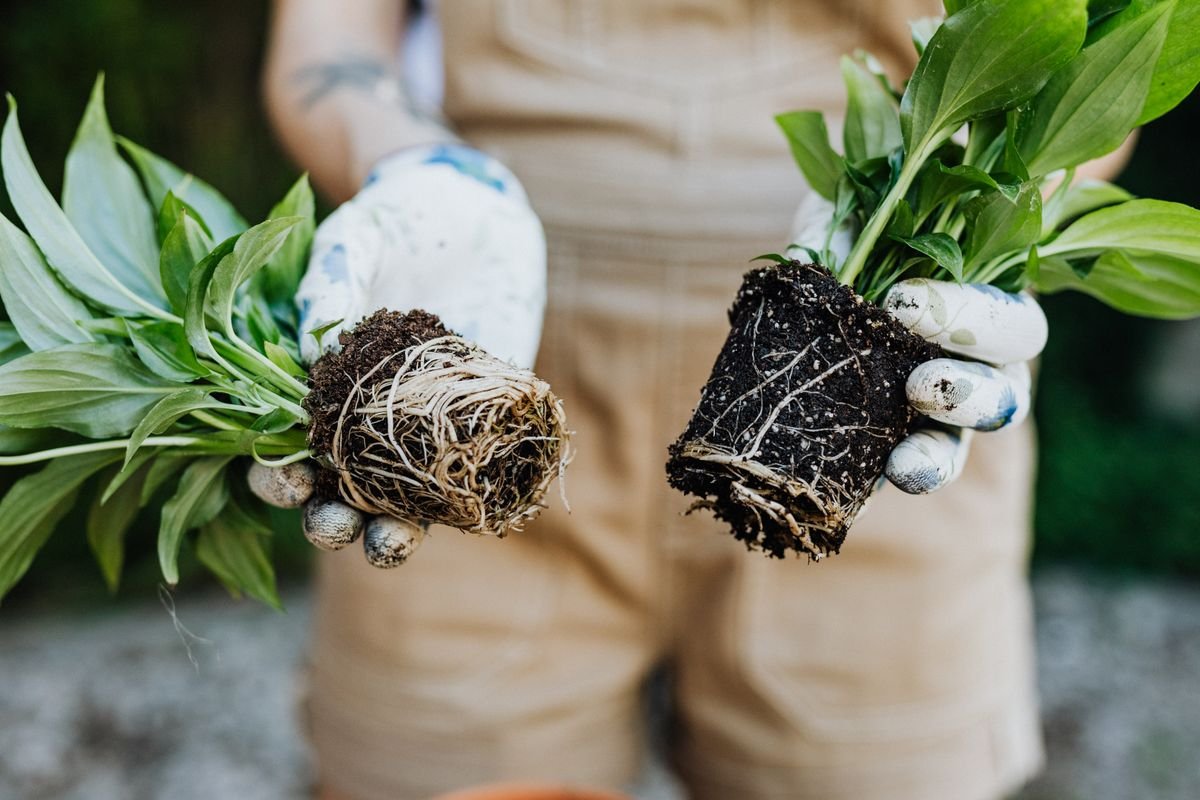
Best Rooting Hormone for Peperomia: Powder vs. Gel Guide
Rooting hormone is optional for Peperomia obtusifolia — this species roots readily without it — but for growers who want the modest speed advantage, the choice between powder and gel comes down to which propagation medium is being used, not which product is inherently stronger.
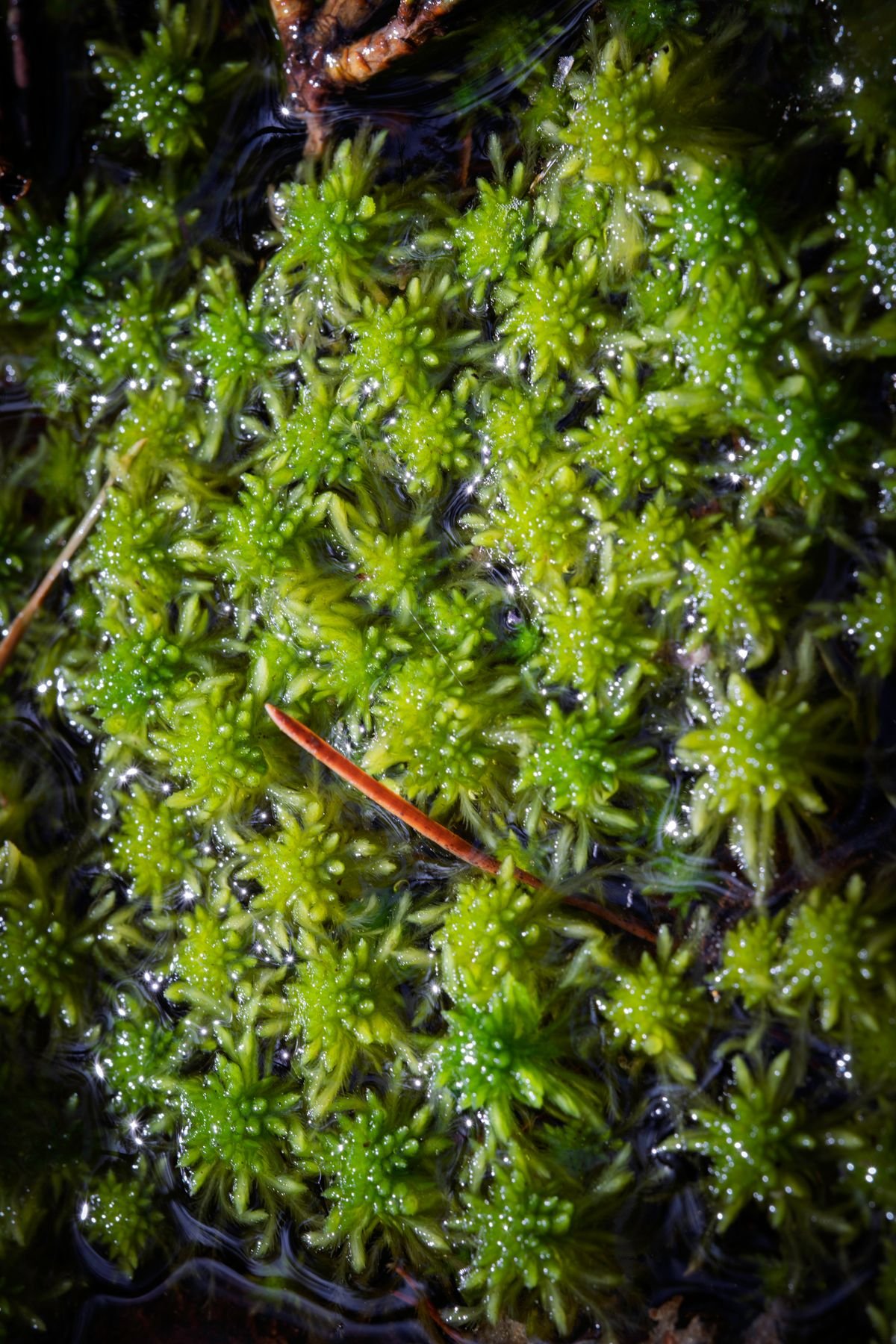
Propagating Peperomia in Sphagnum Moss: Avoid Rot
Sphagnum moss works well for Peperomia obtusifolia propagation because its fibrous structure holds substantial moisture while still leaving air pockets between strands — a combination that produces roots already adapted to a physical medium, easing the transition to soil that water-propagated cuttings often struggle with.
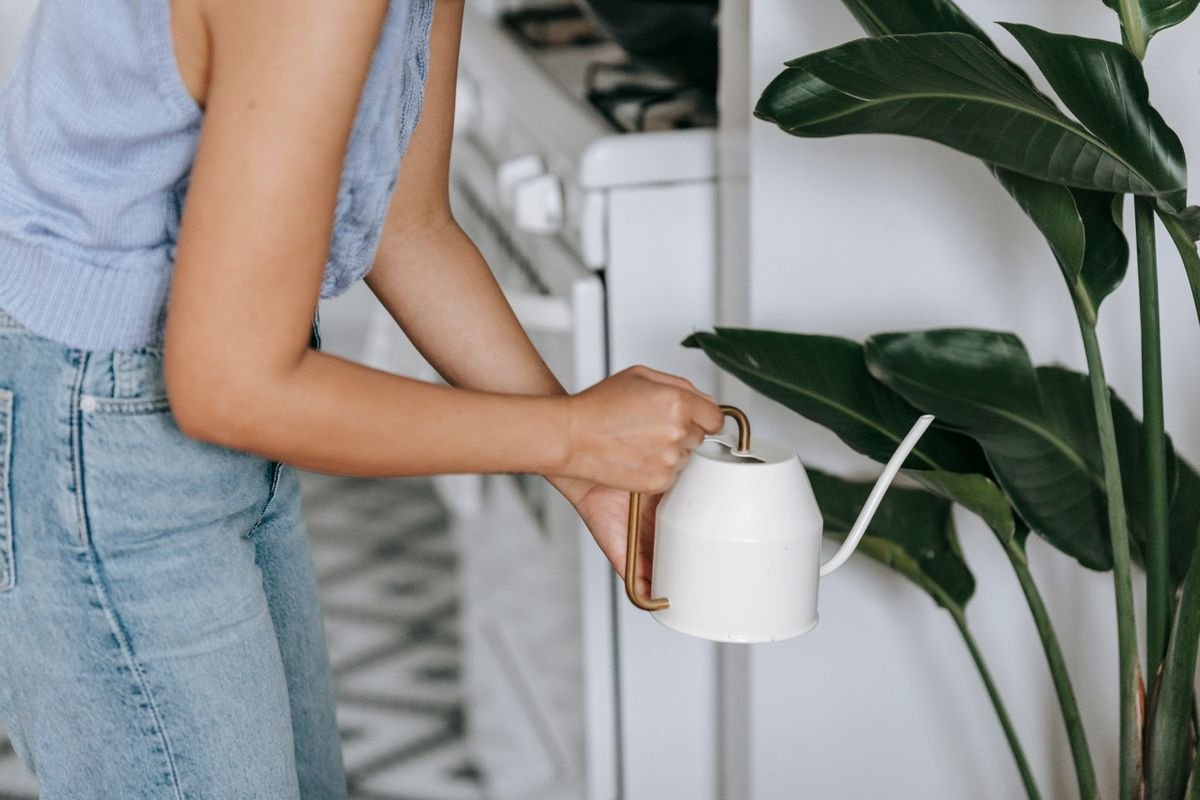
The "Soak and Dry" Method: The golden rule of Peperomia watering
It's the complete opposite of what most beginners do. Learn why 'giving your plant a little sip' is destroying its roots, and how to water like a pro.
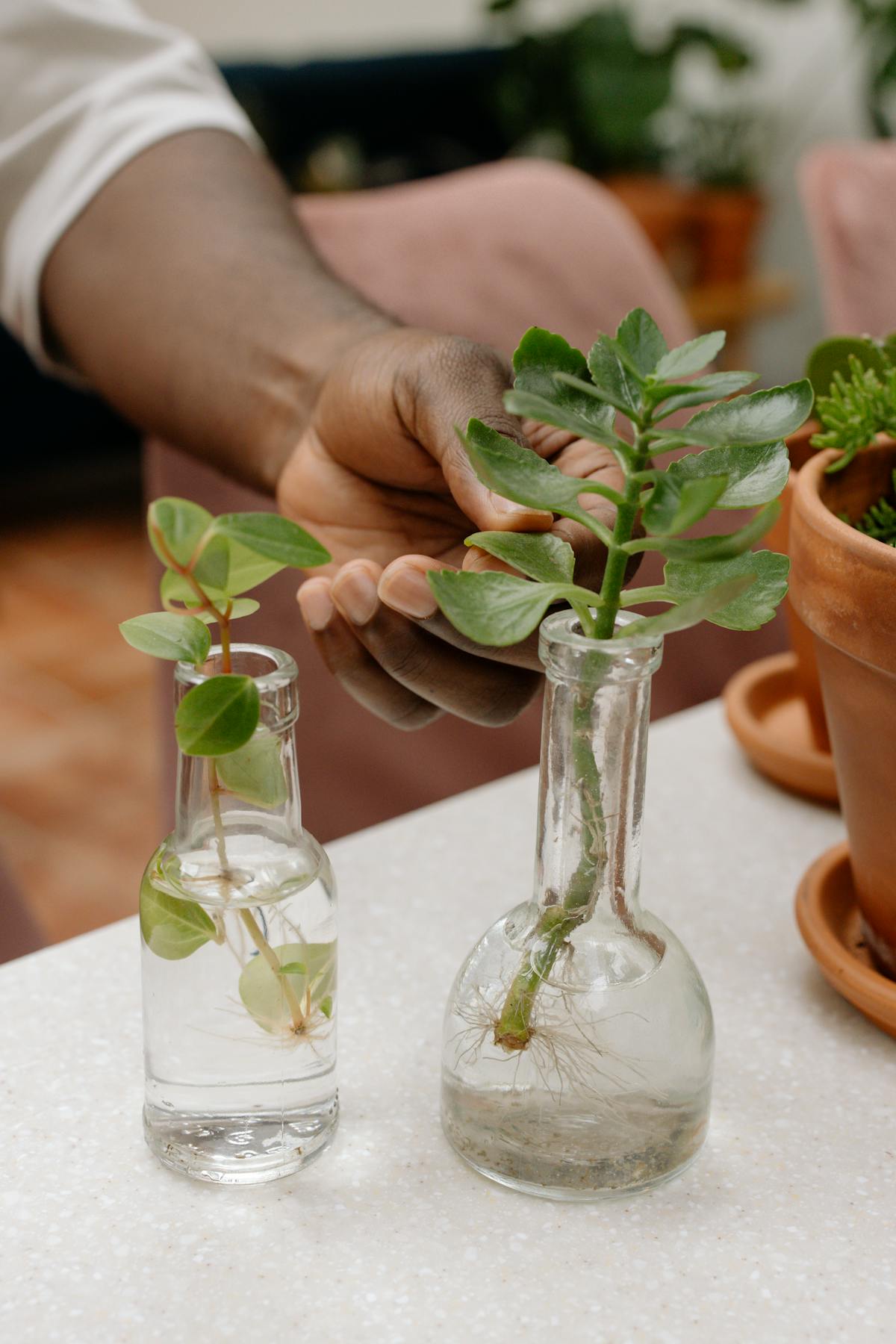
Keiki Paste on Peperomia: Does It Work or Is It a Myth?
Keiki paste, a cytokinin gel developed for forcing orchid keikis, can genuinely trigger a dormant Peperomia obtusifolia node to break into new growth by overriding apical dominance — the mechanism is real botany, but the reliable, well-documented technique for the same goal is still simple pruning, and keiki paste should be treated as an experimental add-on rather than a proven upgrade.
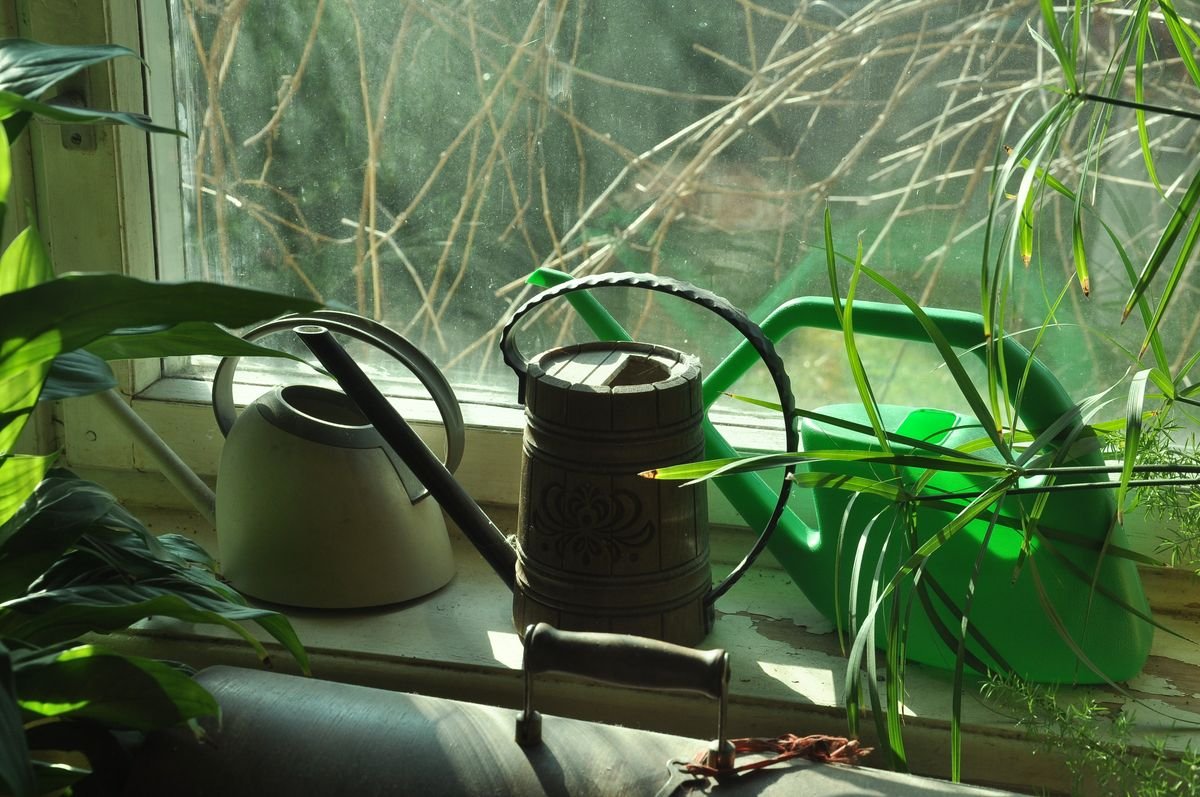
Bottom Watering Peperomia: Method, Timing and Risks
How to bottom-water Peperomia obtusifolia: dry-down trigger, 15–30 minute tray soak, drain protocol, and why a quarterly top-flush is required to clear surface salts.
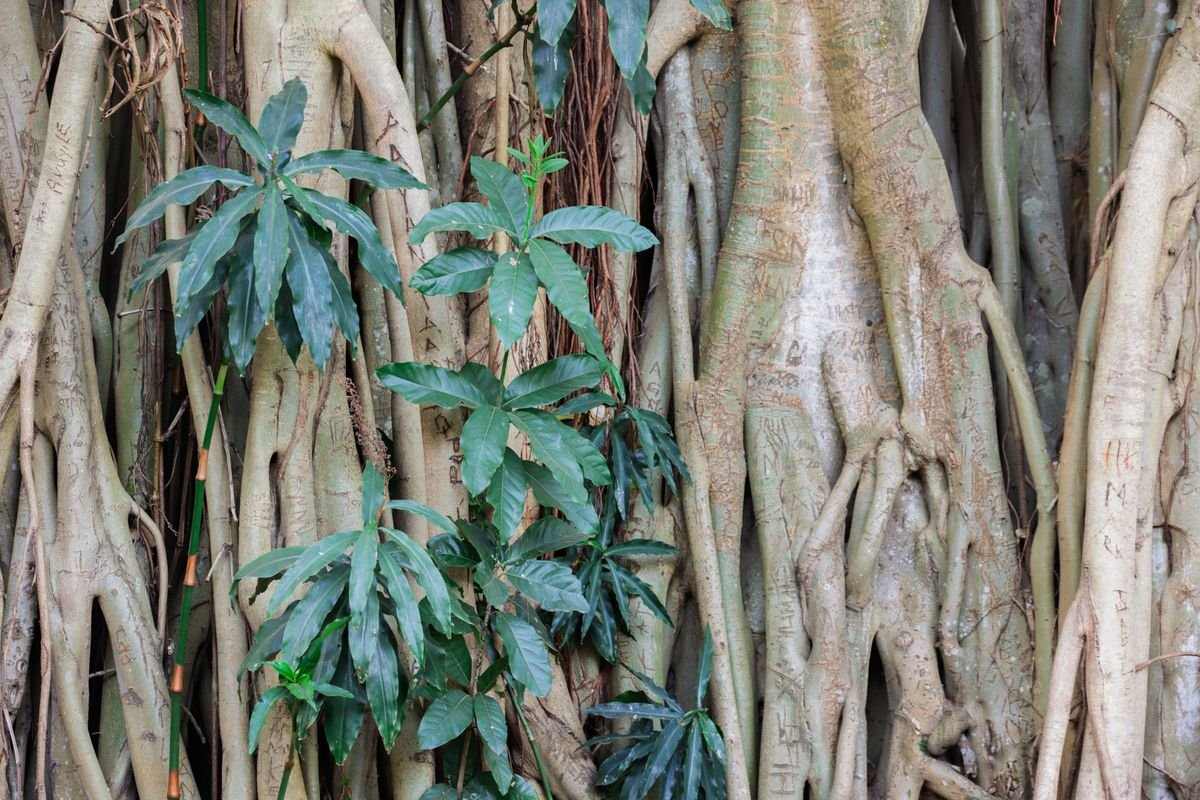
Peperomia Aerial Roots: Why They Appear & What to Do
Peperomia aerial roots are adventitious anchors from a facultative epiphyte — normal, not disease. Leave them, snip flush with sterile tools, guide into mix, or cut below a rooted node to propagate. They do not mean the pot is root-bound.
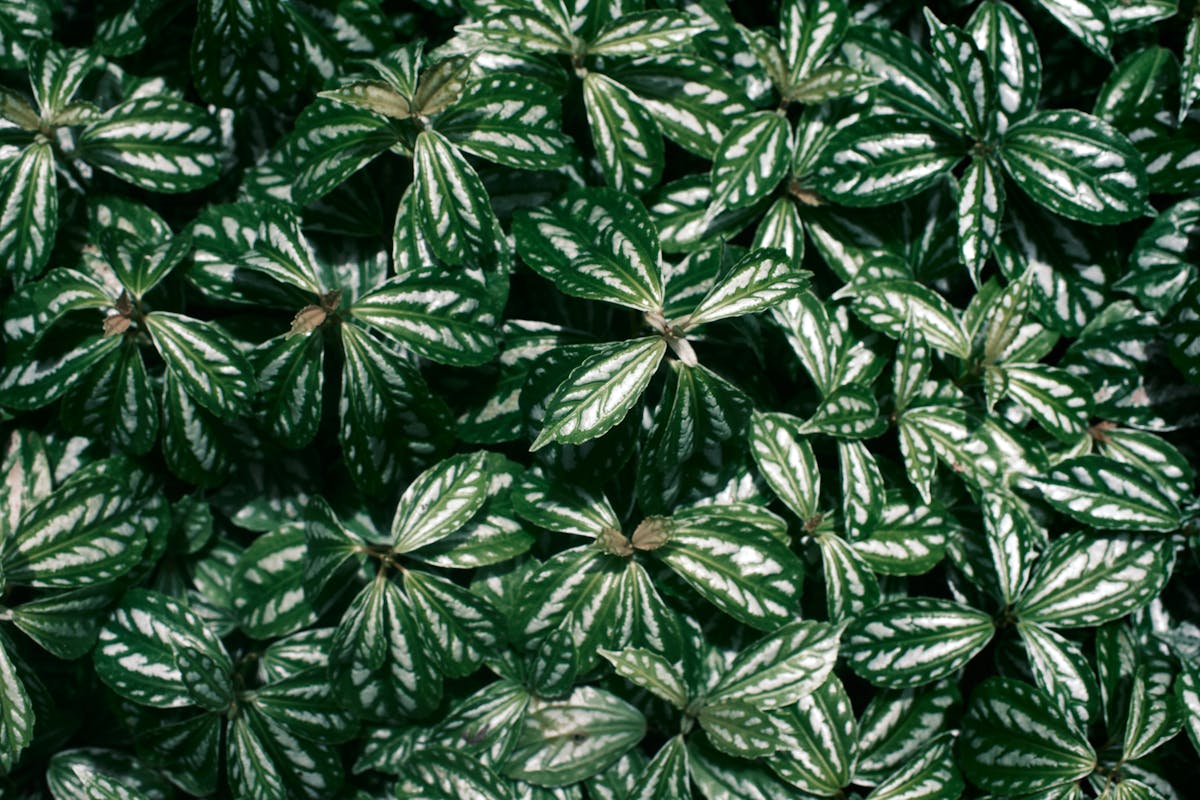
Can Peperomia Obtusifolia Live in a Bathroom? Thermodynamics & Care
The bathroom is often assumed to be an ideal tropical plant environment by default, but for Peperomia obtusifolia the light and vapour pressure deficit in a typical bathroom matter far more than the humidity does.
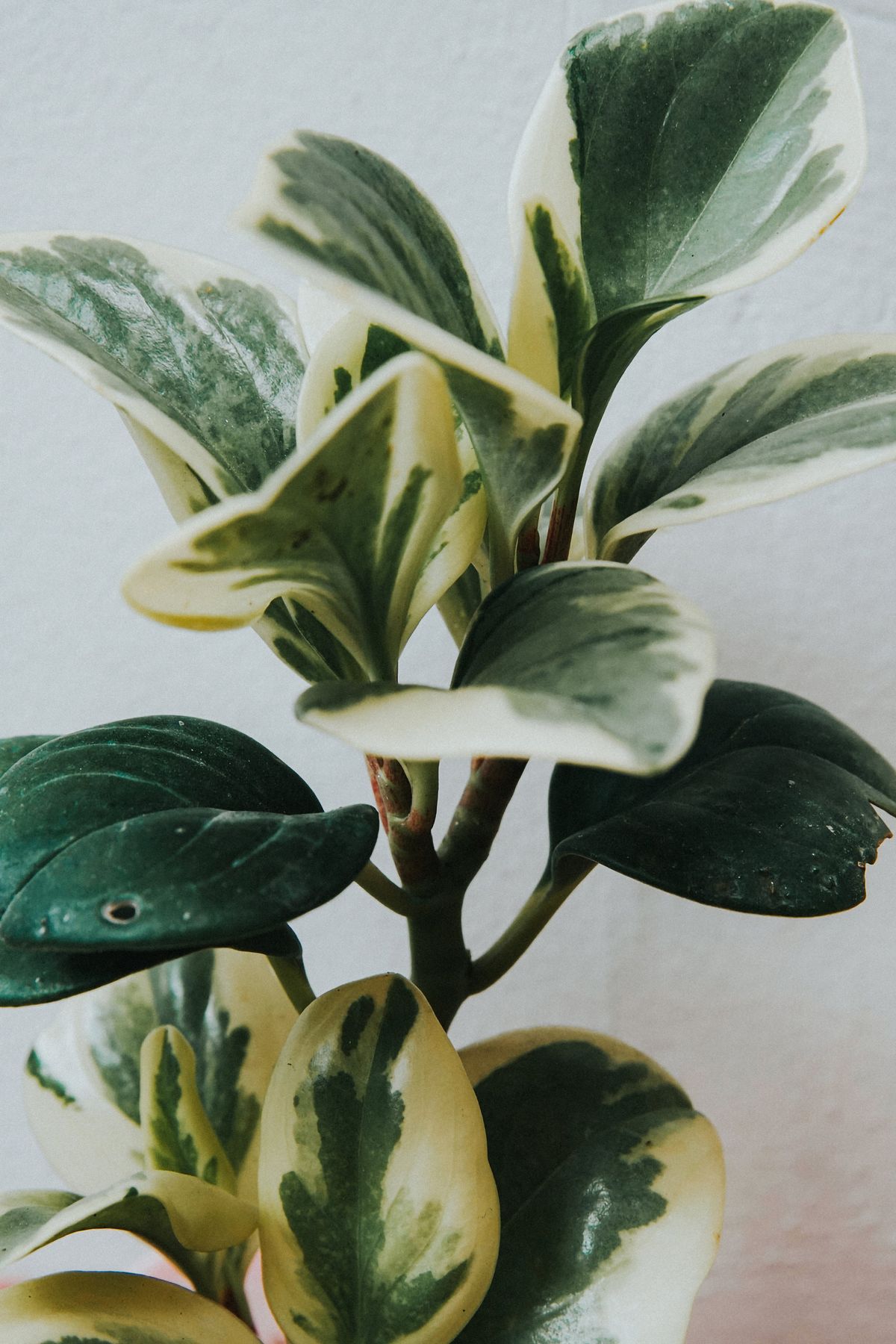
Peperomia Obtusifolia 'Bicolor': How to Fix Red Stems
Peperomia obtusifolia 'Bicolor' is identified by its red-tinted stems and irregular, splashed cream variegation, and fading red stems almost always trace back to insufficient light rather than a watering or feeding problem, since the anthocyanin pigment responsible for the colour is produced in direct proportion to light intensity.
Peperomia Obtusifolia 'Boie': Safe Care & ID Guide
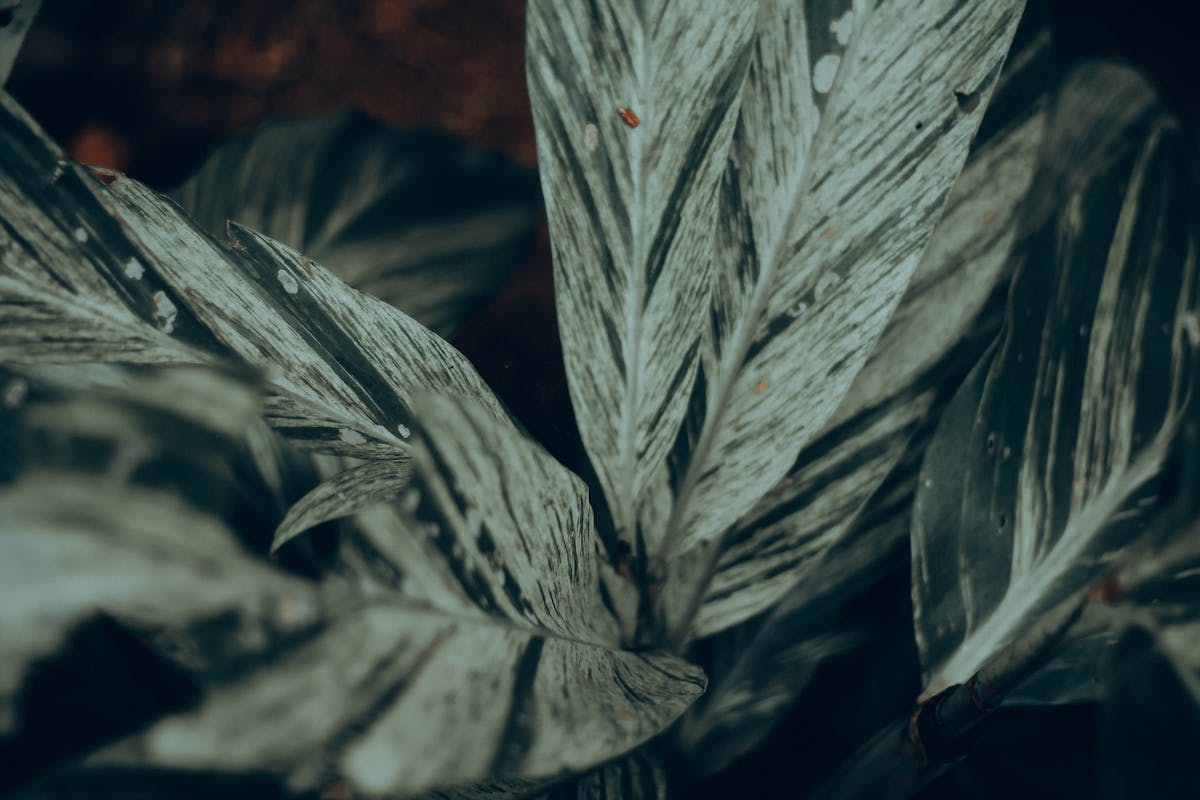
Peperomia obtusifolia 'Boie' is a trade name that does not appear in the standard reference lists of named P. obtusifolia cultivars, and we could not verify it against a nursery, registry, or breeder source — this guide explains what to check before treating any specimen sold under this name as a confirmed distinct cultivar, and covers the safe general-species care that applies regardless.
Peperomia Curling Leaves: Direction-Based Diagnosis
Peperomia in LECA: Setup, Nutrients and Care
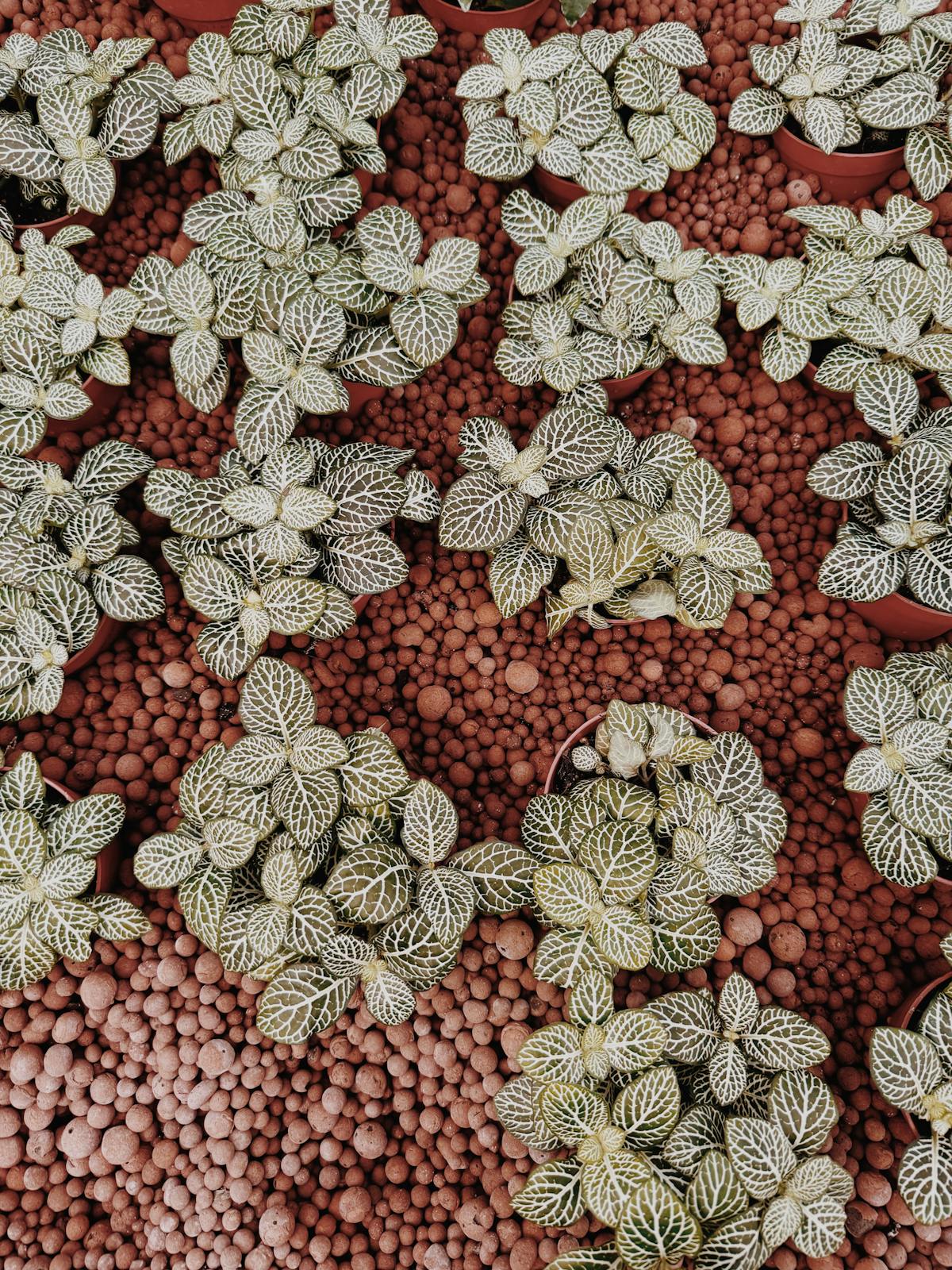
LECA suits Peperomia obtusifolia because the medium replicates the high air-filled porosity of its native epiphytic root zone — but because it is chemically inert, every nutrient, pH adjustment, and salt flush becomes the grower's responsibility rather than the soil's.
Yellow Peperomia Leaves: Causes and Recovery
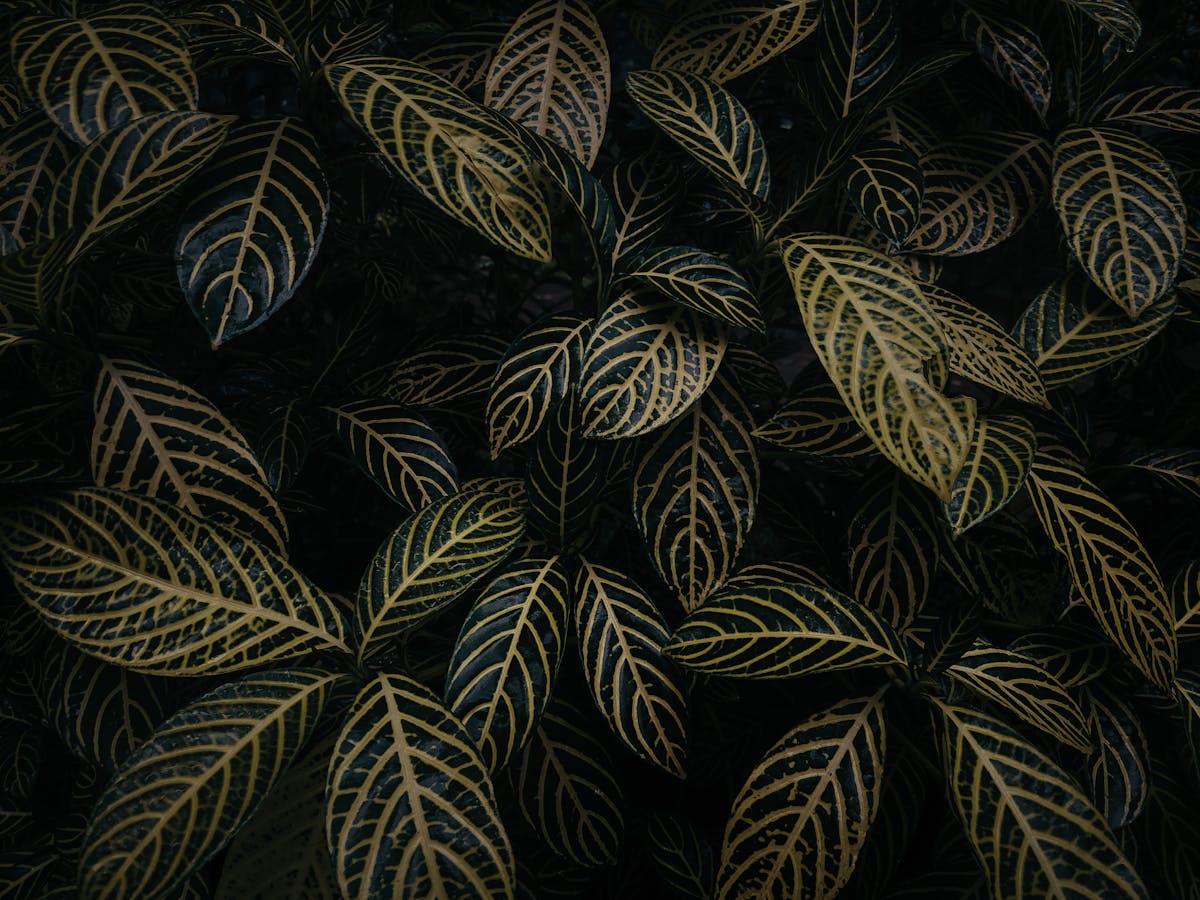
Yellow leaves on Peperomia obtusifolia are a chlorophyll-breakdown signal, not a diagnosis on their own — the most common cause is root anoxia from overwatering, but the location and texture of the yellowing separate that from a nutrient or pH cause that needs the opposite response.