All Care Guides

Peperomia Obtusifolia Alba: Complete Care Guide

2026-03-24
Updated: 2026-05-10
Elena Rodriguez

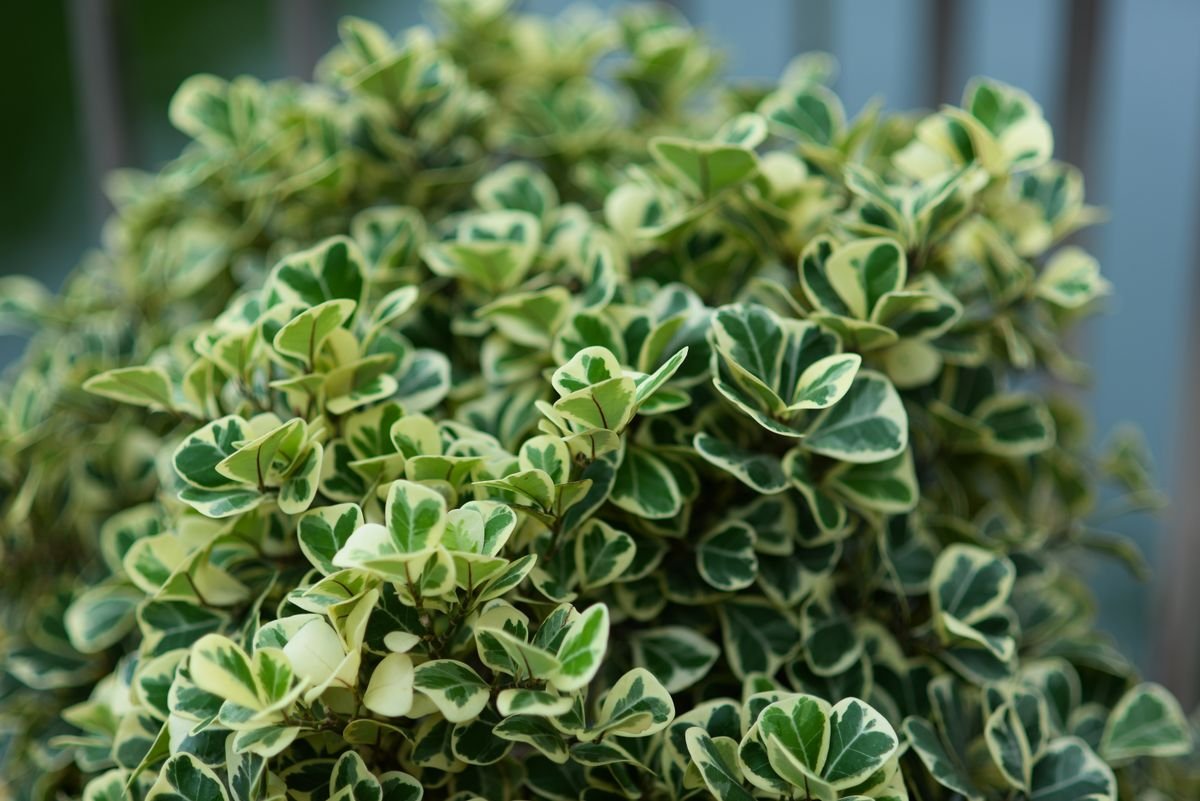
Close-up of Peperomia obtusifolia alba leaf showing irregular cream-white variegation against sage-green tissue

Peperomia obtusifolia (L.) A.Dietr. 'Alba' is a horticultural cultivar of the Baby Rubber Plant in which most leaf tissue produces no chlorophyll. New growth emerges pale cream or ivory; mature leaves carry irregular patches of sage-green against a pale background. The visual effect results from a genetic condition in which the cells generating the white and cream portions of the leaf lack functioning plastids — the cellular structures responsible for green pigment synthesis.

The short answer for growers: bright indirect light at 2,500–4,000 lux is not optional for this cultivar. It is the biological condition that prevents the plant from filling its cream tissue with chlorophyll and reverting to solid green. Water only when the top 2–3 cm of substrate is dry. Use a free-draining mix with at least 30% perlite. In those conditions, the 'Alba' maintains its variegation and grows — slowly — as a stable specimen.

For the foundational care principles that apply across all P. obtusifolia forms, see the Complete Care Guide.


What Is Peperomia Obtusifolia Alba?

P. obtusifolia is a facultative epiphyte native to the forest understoreys of Venezuela, Colombia, Ecuador, Mexico, and southern Florida, belonging to the family Piperaceae. In its native habitat, it grows beneath a forest canopy that intercepts 60–85% of incoming light — receiving bright but fully diffuse illumination, never direct sun. It uses a modified form of crassulacean acid metabolism (CAM): a photosynthetic strategy that opens stomata at night to capture carbon dioxide, reducing water loss during the warmer, drier parts of the day.

The 'Alba' is not a naturally occurring variant. It is produced by selecting specimens with unusually high levels of white leaf tissue and propagating them vegetatively. The term refers to appearance, not a distinct botanical subspecies. Its leaves are characteristically thick — the succulent mesophyll layer is pronounced — and carry less photosynthetically active tissue than either the all-green species or the standard 'Variegata'. The cream and white areas contain cells with non-functional or absent plastids. They produce no sugars. The green patches, which may cover as little as 20–30% of a single leaf's surface, carry the entire metabolic load.

This is the defining constraint of the cultivar: a large proportion of each leaf is metabolically inert, and the small productive fraction must generate enough energy to sustain the entire plant. Every other care decision — particularly the light requirement — follows directly from this constraint.


Alba vs. Variegata vs. Albo-Marginata: How to Tell Them Apart

Three variegated cultivars of P. obtusifolia are commonly sold under interchangeable or imprecise labels. The distinction matters for care because each cultivar retains a different proportion of green (chlorophyll-bearing) leaf tissue, which determines its light requirement and growth rate.

CultivarLeaf PatternApproximate Green ProportionMinimum Useful Light
'Variegata'Green centre with cream-yellow border60–70%2,000–3,000 lux
'Albo-Marginata'Grey-green centre with narrow silvery-ivory edge70–80%2,000–3,500 lux
'Alba'Large irregular cream-to-ivory patches; green as splashes or veins20–40%2,500–4,000 lux

The 'Albo-Marginata' retains the most chlorophyll of the three and tolerates the widest light range. The 'Alba' retains the least and has the narrowest tolerance window — too little light and it reverts; too much direct light and the unprotected cream tissue bleaches. For a detailed comparison of the Variegata form, see Meristematic Chimeras: The Science of Peperomia Variegata.

Plants labelled "Peperomia alba" in nurseries are sometimes actually 'Variegata' with a particularly pale batch of leaves — purchasing from a specialist supplier reduces this risk.


Quick Care Reference

ParameterOptimalRisk Threshold
Light2,500–4,000 lux (bright indirect)Below 1,000 lux: reversion begins; above 40,000 lux: bleaching
Watering triggerTop 2–3 cm dry; pot has lost perceptible weightSubstrate saturated >5 days: root damage
Summer watering intervalEvery 10–14 days
Winter watering intervalEvery 21–28 days
Substrate50% peat-free compost, 30% perlite, 20% fine barkMinimum 30% inorganic component
Temperature18–24°C daytime / 15–18°C nightBelow 10°C: cellular damage
Humidity40–60% RHBelow 30% RH: leaf edge desiccation
FertiliserBalanced NPK at 50% rate, monthly spring–summerNone in autumn–winter
RepottingInto a pot 2–3 cm larger in diameterNever into an oversized container
ToxicityNon-toxic (ASPCA)Safe for cats, dogs, and horses

Light: Why 'Alba' Requires More Than the Standard Species

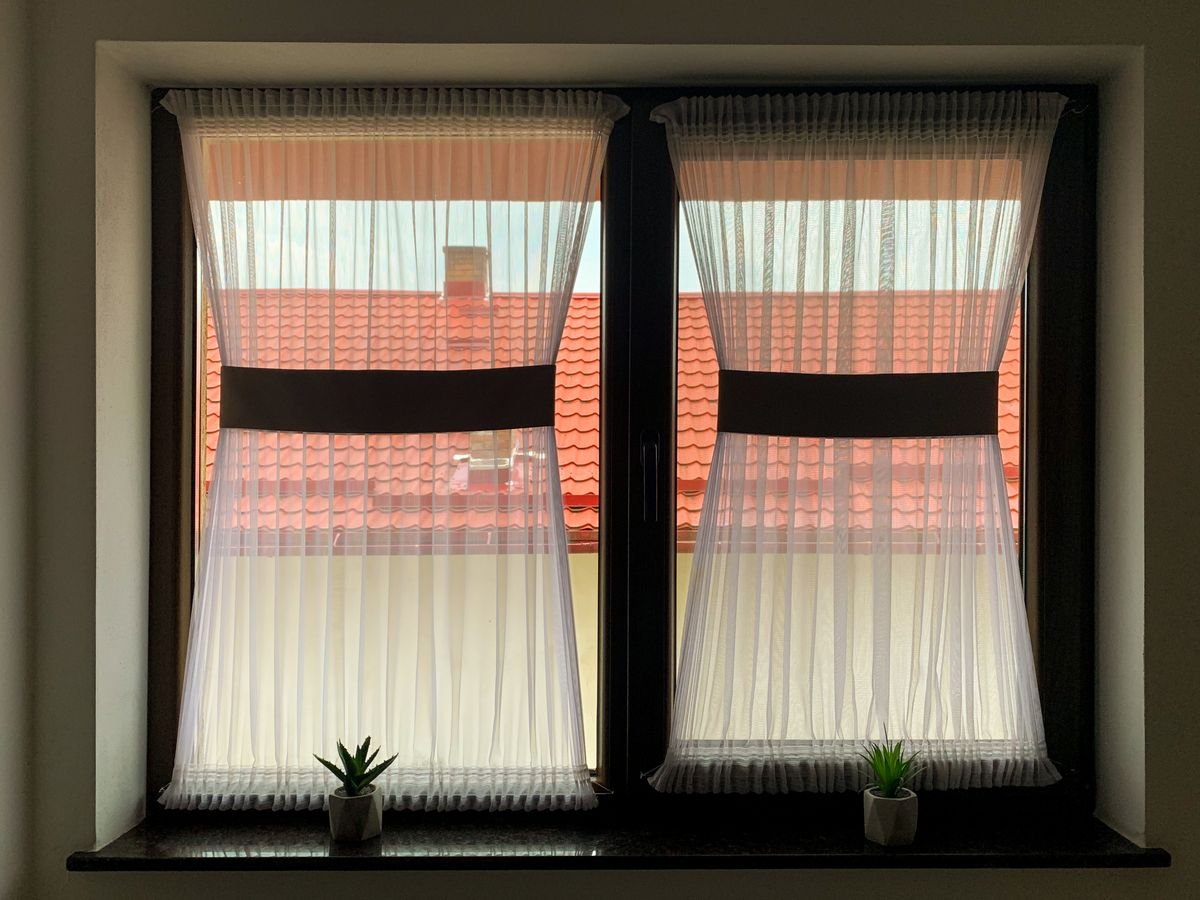
Indoor houseplant positioned in bright indirect light near a window — optimal growing conditions for variegated Peperomia obtusifolia forms

This is the central care variable for the 'Alba', and the one most commonly managed incorrectly. The white and cream sections of 'Alba' leaves contain no functional chlorophyll. Depending on the extent of variegation, the plant's effective photosynthetic leaf area may be 60–80% smaller than in the all-green species. At the light levels that sustain a standard P. obtusifolia — 800–1,000 lux — the 'Alba' cannot generate enough glucose to maintain cellular functions at its normal rate.

The plant's adaptive response to photosynthetic deficit is to increase the proportion of chlorophyll-producing cells in subsequent new growth. This is not deterioration — it is a measurable physiological adaptation. The plant reduces its own variegation to meet its metabolic demands. Once a leaf has grown solid green, that leaf does not recover its cream colour. Maintaining the 'Alba's characteristic appearance requires maintaining the light above the threshold that triggers this response.

In documented growing observations of P. obtusifolia 'Variegata' — a cultivar whose variegation mechanism is identical to the 'Alba's — plants positioned at approximately 1,200 lux produced new growth with substantially reduced variegation over twelve weeks. Moving the same plant to 2,800–3,200 lux restored full variegation in subsequent new leaves within eight to ten weeks. The existing green leaves produced during the low-light period did not revert.

Light thresholds for 'Alba':

  • 2,500–4,000 lux: Optimum. Compact internodes, stable variegation pattern, active growth.
  • 1,000–2,500 lux: Marginal. The plant survives but may show progressive greening of new growth over weeks.
  • Below 1,000 lux: Reversion begins. New leaves emerge with substantially more green tissue. Internodes also elongate — a concurrent structural response to light deficit.
  • Above 40,000 lux (unfiltered direct sun): Irreversible bleaching. The cream and white tissue lacks protective pigments; direct sunlight causes cell death in the exposed areas within hours.

Placement: An east-facing window providing direct morning sun until approximately 10:00, followed by diffuse light through the remainder of the day, is the most consistent year-round position. South or west-facing windows require positioning 1–2 metres back from the glass, or a sheer curtain to reduce midday intensity. North-facing positions in northern hemisphere homes are insufficient for most of the year.

Winter adjustment: As daylight hours decrease from October to February, move the 'Alba' closer to its light source or add supplemental grow lighting delivering at least 1,500 lux at leaf surface on a minimum 12-hour photoperiod. The reduced photosynthetic window of winter accelerates reversion in light-deficient positions far faster than summer conditions.


Watering: Applying the Semi-Succulent Threshold

Hands watering an indoor houseplant using precise technique — demonstrating the drench-and-dry watering method for semi-succulent Peperomia

The 'Alba' stores water in the parenchyma cells of its thick leaf tissue. This is the same adaptation that makes all P. obtusifolia forms drought-tolerant — and the same adaptation that makes them vulnerable to root damage from sustained moisture. The root system is fine and shallow, structurally adapted to a substrate that dries rapidly between waterings. It is not adapted to prolonged saturation.

The correct watering trigger is not a calendar interval but a substrate state: the top 2–3 cm of mix should be completely dry to the touch, and the pot should have lost perceptible weight relative to its fully watered state. Under standard indoor conditions — 18–22°C, 40–60% relative humidity, 2,000–3,000 lux — in a 12 cm container with a free-draining mix, this corresponds to approximately every 10–14 days in summer and every 21–28 days in winter.

Diagnostic signals from leaf turgor:

  • Firm and glossy: hydration adequate; do not water.
  • Slightly soft, faint puckering at the leaf edges: early deficit — water now.
  • Soft and discoloured: excess moisture or root dysfunction — do not add water; check root condition.

In the 'Alba', slight translucency or pale yellowing at the cream-coloured leaf margins is a reliable early indicator of moisture deficit — the pale tissue shows dehydration earlier than green tissue would.

A single waterlogging episode — substrate saturated for more than five continuous days — is sufficient to initiate irreversible anaerobic damage to the fine root hairs responsible for nutrient uptake. The plant may appear unaffected for two to three weeks before yellowing appears. By that point, root function is already compromised.


Soil and Potting Mix

The 'Alba's fine root system requires a substrate that drains freely and returns to an aerated state within 48 hours of watering. Standard multipurpose potting compost used alone retains moisture beyond this window and compacts over time, reducing the oxygen availability the roots require.

A practical mix: 50% peat-free compost, 30% perlite, 20% fine bark. The inorganic component — perlite, pumice, or horticultural grit — should constitute a minimum of 30% of the total mix volume. Below this proportion, saturation risk increases substantially between waterings.

Terracotta pots dry substrate through evaporation from the pot wall at a rate approximately 30–40% faster than equivalent plastic containers. For the 'Alba', this is an advantage — it reduces the risk of sustained root-zone saturation. The trade-off is a shorter watering interval: reduce from the plastic-pot baseline by approximately 20–30%.

Pot size should match the current root ball, not anticipated growth. Repotting into a container significantly larger than the existing root ball — even with well-draining substrate — creates a volume of mix surrounding the roots that retains moisture for extended periods without root activity to draw it down. In one documented case, transferring a P. obtusifolia root ball from a 12 cm pot to a 20 cm container caused lower leaves to yellow at twelve weeks because the surrounding substrate had been sustaining anaerobic conditions between every watering. Recovery required repotting back to a 14 cm container and took six to eight weeks. Move up 2–3 cm in diameter at each repotting interval.


Temperature and Humidity

Optimal daytime temperature: 18–24°C. Night temperature: 15–18°C. Below 10°C, cellular damage occurs — a threshold that applies equally to all cultivars. Below 15°C at leaf surface level, stomatal function is impaired; plants on single-glazed windowsills in cold climates can reach this level on winter nights without the ambient room temperature dropping.

The 'Alba' is sensitive to rapid temperature fluctuations — a consequence of its reduced metabolic buffer. The cream and white tissue stores no glucose. The plant cannot draw on energy reserves during stress the way a green specimen can. Cold draughts from opening windows, heating vents, or air conditioning create localised temperature drops that often manifest as sudden leaf drop.

Humidity: 40–60% relative humidity. Below 30% RH, leaf edge desiccation begins — most visible as crispy browning at the cream-coloured margins of 'Alba' leaves, which lack the protective pigments that reduce water loss in green tissue. A small thermometer-hygrometer placed near the plant provides the only reliable measurement — touch-based assessment of ambient humidity is not accurate.


Fertilising

The 'Alba's reduced photosynthetic capacity means slower growth and lower nutrient demand than the all-green species. Apply a balanced fertiliser (NPK 20-20-20 or equivalent) diluted to 50% of the manufacturer's recommended rate, once monthly from spring through summer only. Do not fertilise from autumn through winter: reduced light lowers photosynthetic demand, and applying fertiliser when the plant is not actively growing causes salt accumulation in the substrate without the nutrients being taken up.

Salt accumulation manifests first as crispy brown leaf tips — particularly visible in the cream-coloured tissue of the 'Alba', where it is frequently misread as sunscorch or humidity damage. Flush the substrate with plain water every three to four months: water until water flows freely from the drainage holes in three to four successive passes.

Over-fertilisation at 2× the recommended concentration causes osmotic root damage, appearing as brown tips that advance inward along the cream margins.


Repotting

Repot when roots are visibly emerging from drainage holes, or when the plant shows drought symptoms within three to four days of watering. Spring — March to April in the northern hemisphere — is the optimal repotting season. Allow two to four weeks after repotting before resuming fertilisation, to allow root establishment without the additional metabolic demand of nutrient uptake.


Propagation: Why Leaf Cuttings Fail Alba Growers

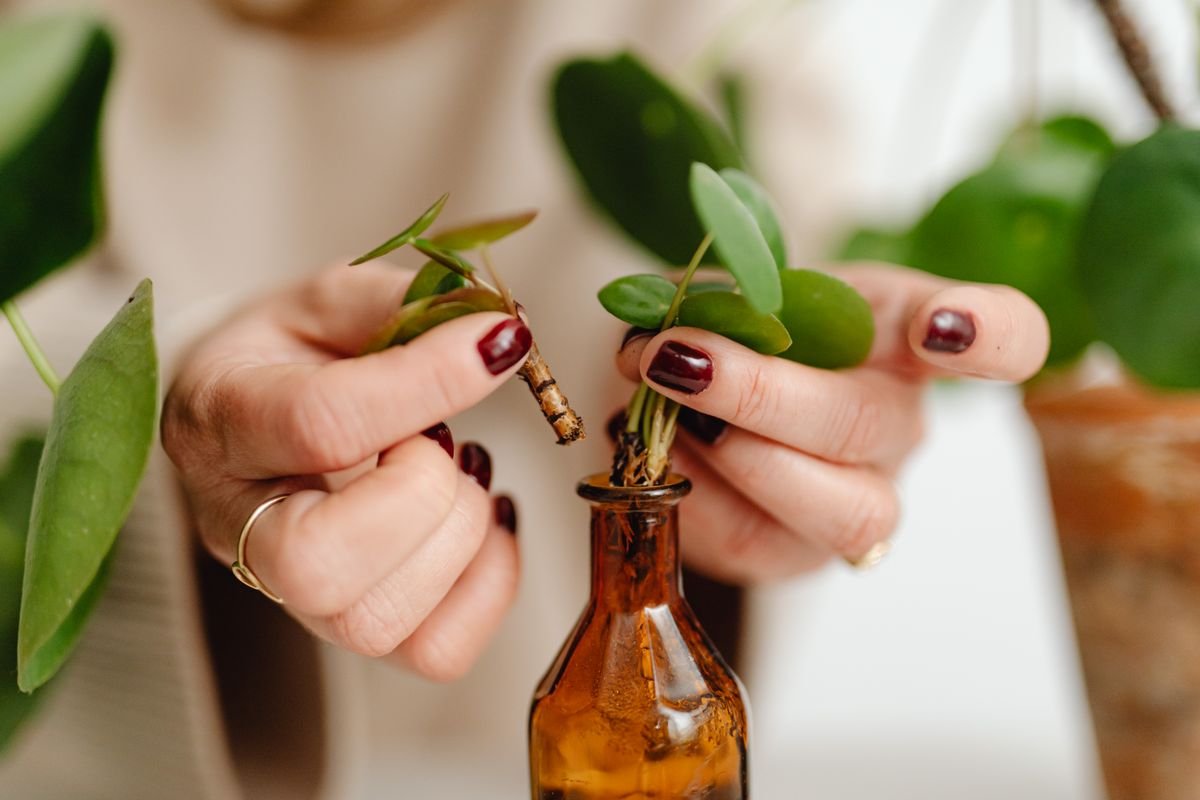
Plant cuttings placed in propagation substrate showing early root development — stem tip cuttings preserve variegation genetics; leaf cuttings do not

The 'Alba's propagation behaviour is where its chimeric genetics have direct practical consequences. The cream and white tissue results from cells in the stem's meristematic layer — the actively dividing cells at the growing tip and nodes — carrying a mutation that prevents plastid development. This mutation is present in the stem tissue, not in the mature leaf cells.

When a leaf cutting is used to propagate the 'Alba', the new plant generated from the petiole callus is derived from the leaf's own mature cell population. These cells typically do not carry the chimeric mutation. The result is all-green plantlets — not a propagation failure, but a predictable biological outcome. This is why variegated cultivar leaf cuttings almost always revert to solid green. The propagation succeeded; the wrong cells were used.

Stem tip cuttings include meristematic tissue from the node, which carries the full chimeric genetic profile and produces new growth that maintains the parent plant's variegation pattern. For a detailed examination of this mechanism, see Variegated Leaf Cuttings: Will They Revert to Green?

Propagation comparison — stem tip vs. leaf cuttings from the same 'Alba' parent plant, under identical conditions (50/50 perlite/bark substrate, 23°C, 2,500 lux, 14-hour photoperiod):

MetricStem Tip CuttingsLeaf Cuttings
Visible root development3–4 weeks6–8 weeks
First shoot above substrate4–6 weeks8–12 weeks
Established plant (3 cm growth)10 weeks18 weeks
Variegation maintainedConsistentFrequently absent
Success rate9/106/10

Optimal propagation conditions: 22–25°C substrate temperature, 70–80% relative humidity (achieved with a humidity dome or sealed plastic bag), minimum 2,000 lux light on a 12–14 hour photoperiod.

Propagating in water is viable for speed of root formation — visible roots develop in two to three weeks — but water-adapted roots are morphologically distinct from substrate-adapted roots. When transferred to a solid mix, they typically die back and are replaced by a new root system, adding a six-week transition delay. Direct substrate propagation eliminates this and produces roots structurally suited to the final growing medium from the outset.


Common Problems: What the Plant Is Signalling

Variegation fading or reverting to solid green: Light below the 1,000 lux threshold. The existing green leaves will remain green — they cannot reverse. Move the plant to a brighter indirect position providing 2,500–4,000 lux. New growth will restore the variegation pattern within eight to twelve weeks.

Brown marks on cream or white leaf tissue — three distinct causes:

  • Bleached patches with diffuse edges: UV damage from direct sun. The affected cells are dead; the marks are permanent in those leaves.
  • Crispy browning at leaf tips and margins: desiccation from humidity below 30% RH, or fluoride and chloramine accumulation from tap water. Switch to filtered, distilled, or collected rainwater.
  • Brown tips advancing inward along cream margins: fertiliser salt burn. Flush the substrate immediately and reduce fertiliser concentration.

Yellow lower leaves: Overwatering or sustained substrate saturation. Lower leaves yellow first because root dysfunction at the base of the root zone affects the oldest leaves earliest. Check root condition — if root hairs are brown and non-functional, unpot, remove damaged roots, and repot into fresh free-draining mix.

Sudden leaf drop: Cold draughts or temperature fluctuations below 15°C. Identify and eliminate the draught source — relocate the plant away from windows, vents, or doors that generate temperature swings.

Leggy, elongated new growth: Light below 1,000 lux. Internodes elongate as the plant directs growth toward the light source. Increase light to 2,000–4,000 lux. Existing elongated stems cannot be corrected; prune them and use as stem tip cuttings for propagation.

Leaf blisters (oedema): Water uptake exceeds the rate of transpiration — most common when the substrate remains wet while light and temperature are low. Improve drainage and reduce watering frequency. Affected leaves do not recover, but the condition stops when moisture balance is corrected.


Pet Safety

The ASPCA classifies Peperomia obtusifolia as non-toxic to cats, dogs, and horses. All cultivars of the species — including 'Alba', 'Variegata', and 'Albo-Marginata' — share this classification. The plant presents no documented ingestion risk to household pets.


Summary

Peperomia obtusifolia 'Alba' is governed by a single biological constraint: the white and cream tissue that defines its appearance produces no energy. Every care decision that differs from the standard species — the higher light requirement, the sensitivity to fertiliser salts, the strict stem-cutting protocol for propagation — follows from this single fact. Provide consistent bright indirect light at 2,500–4,000 lux, water only against the substrate moisture signal, and use a substrate with at least 30% inorganic component. In those conditions, the cultivar is stable, predictable, and maintains its characteristic variegation indefinitely.

Care FAQ

Is Peperomia obtusifolia alba easy to care for?

The alba is moderately demanding. Its core challenge is light: it requires consistent bright indirect light at 2,500–4,000 lux to prevent variegation reversion. Watering and soil requirements follow the same semi-succulent logic as the standard species — water only when the top 2–3 cm of substrate is fully dry, and use a mix with at least 30% perlite. The difficulty is not in the individual tasks but in providing stable conditions without fluctuation.

Why is my Peperomia alba losing its variegation and turning green?

Variegation loss is the plant's physiological response to light deficit. When positioned below approximately 1,000 lux, P. obtusifolia alba produces new leaves with higher chlorophyll content to compensate for reduced photosynthesis. The existing green leaves will not revert. Move the plant to a brighter indirect position providing 2,500–4,000 lux. New growth will restore the variegation pattern within eight to twelve weeks.

Is Peperomia obtusifolia alba toxic to cats or dogs?

No. The ASPCA classifies all Peperomia obtusifolia cultivars, including the alba, as non-toxic to cats, dogs, and horses. All variegated forms of the species share this classification. It is safe for households with pets.

How often should I water Peperomia obtusifolia alba?

Water when the top 2–3 cm of substrate is completely dry to the touch and the pot has lost perceptible weight. Under standard indoor conditions — 18–22°C, 40–60% relative humidity, 2,000–3,000 lux — in a 12 cm container with a free-draining mix, this is approximately every 10–14 days in summer and every 21–28 days in winter. Never water on a fixed calendar interval regardless of substrate moisture state.

What is the difference between Peperomia alba, Variegata, and Albo-Marginata?

Variegata has a green centre with a cream-yellow border; Albo-Marginata has a grey-green centre with a narrow silvery-ivory edge; Alba has large, irregular patches of cream-to-ivory with green appearing only as splashes or veins. The alba is the palest and most chlorophyll-deficient of the three — it carries the least green tissue and requires the most consistent bright indirect light to maintain its pattern.

Elena Rodriguez

About Elena Rodriguez

Elena Rodriguez is an interior landscaping designer who specializes in integrating live plants into modern home environments. She focuses on plant aesthetics, placement, and bioactive vivariums.