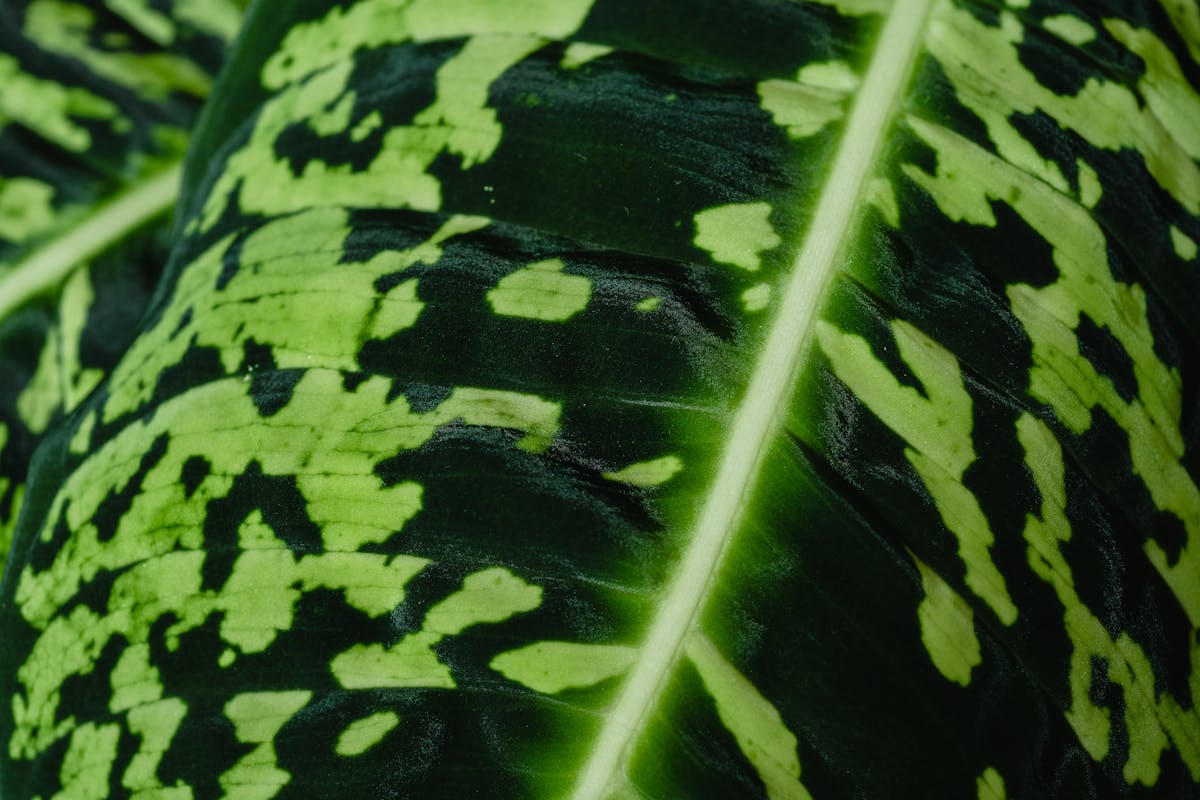
Rare Peperomia Obtusifolia Varieties: A Collector's Identification Guide

Most collectors begin with the species most frequently stocked at garden centres: the solid-green Jade or the cream-edged 'Variegata'. Both are genuine Peperomia obtusifolia (L.) A.Dietr. — the Baby Rubber Plant or radiator plant — a facultative epiphyte native to the forest understoreys of Venezuela, Colombia, Ecuador, and southern Florida. But the cultivated range of this species extends well beyond what any big-box retailer stocks. Rare P. obtusifolia varieties exist across a spectrum from the subtly unusual to the genuinely obscure, distinguished primarily by the stability of their genetic traits and the commercial feasibility of producing them at scale.
The short answer: The rarest P. obtusifolia cultivars — including 'Boie', 'Celtis', 'Greengold', and the Neon Alba — share the same core care requirements as the common species but need measurably more light (2,500–3,200 lux minimum) to maintain their distinctive patterns. Their rarity is a function of genetics and propagation yield, not growing difficulty.
Quick Variety Reference
| Cultivar | Rarity Tier | Key Visual Trait | Minimum Light |
|---|---|---|---|
| 'Jade' (species) | Common | Solid deep green, oval leaf | 2,000 lux |
| 'Variegata' | Common | Cream-edged, dark green centre | 2,500 lux |
| 'Marble' | Common–Moderate | Marbled cream and green | 2,500 lux |
| 'Golden Gate' | Less Common | Wide cream margins, compact | 2,800 lux |
| 'Red Edge' | Less Common | Green leaf, thin pink-red margin | 2,500 lux |
| 'Lemon Lime' | Less Common | Neon chartreuse and green stripes | 2,800 lux |
| 'Bicolor' | Less Common | Cream-green variegation, pink-red stems | 2,500 lux |
| 'Boie' | Rare | Muted silver-wash on dark green | 2,800 lux |
| 'Celtis' | Rare | Perfectly round leaves, very compact | 2,000 lux |
| 'Greengold' | Rare | Near-entirely yellow leaves | 3,200+ lux |
| 'Alba' / Neon Alba | Very Rare | Pale mint to near-white new growth | 2,500 lux |

Tier 1: Widely Available Peperomia Obtusifolia Types
These peperomia varieties are commercially produced at scale and available at most plant retailers. They form the reference baseline for identifying what makes rarer cultivars distinctive.
P. obtusifolia (Species — 'Jade')
The all-green species is the type from which all cultivars derive. Leaves are oval to spoon-shaped, 5–10 cm long, thick and glossy, deep green with a slightly waxy cuticle. Growth habit is upright and compact with short internodes under adequate light. This is the most drought-tolerant form — with no chlorophyll-deficient tissue to maintain, it allocates photosynthetic resources most efficiently of all variants.
Identification note: The leaf edges are smooth and rounded at the apex — obtusifolia means "blunt-leaved," directly describing this characteristic. This distinguishes it from related species with pointed or undulating leaf margins.
P. obtusifolia 'Variegata'
The most widely distributed variegated peperomia in commercial production. Leaves display an irregular pattern of dark and medium green in the centre zone, with a cream to pale yellow border of variable width. No two leaves are identical — the cream-to-green ratio fluctuates between new leaves on the same plant.
The Royal Horticultural Society lists 'Variegata' among the recommended cultivars for indoor use, reflecting its reliable availability and cultivation record.
Identification note: The cream margin in 'Variegata' follows the leaf edge. The newer 'Marble' and 'Golden Gate' differ in that their cream tissue is more centrally distributed or more uniformly wide, respectively.
Light requirement: A minimum of 2,500 lux to prevent reversion to all-green growth. At 1,200 lux, the plant progressively produces leaves with increasing chlorophyll content and reduced cream margin — a documented adaptive response to photosynthetic deficit.
P. obtusifolia 'Marble'
'Marble' produces leaves with a three-way mix of dark green, mid-green, and cream distributed in irregular, paint-like patches across the entire leaf surface — not concentrated at the margin as in 'Variegata'. Availability has increased significantly in recent years, though truly fine-grained specimens — where the colour transitions are subtle and consistent rather than bold splotches — remain far less common than standard examples.
Identification note: The leaf surface on premium 'Marble' specimens shows micro-variegation across the entire blade. Coarser specimens with large, defined zones of solid cream are more common and lower-value. The difference is a genetic expression of the same underlying trait, varying between individual plants.
Tier 2: Less Common Peperomia Obtusifolia Varieties
These peperomia types are not found in garden centres but are reliably available through specialist online sellers and plant community networks.
P. obtusifolia 'Golden Gate'
The golden gate peperomia is distinguished by exceptionally wide, clean cream-to-pale-yellow margins that account for 30–50% of total leaf area. The centre zone is a uniform mid-green. Growth habit is notably compact — shorter internodes than 'Variegata' under equivalent light. The visual effect is a brighter, more high-contrast appearance than 'Variegata'.
Light requirement: The broad cream margin means that substantially less leaf area contains functional chlorophyll. A minimum of 2,800 lux is required to sustain active growth and prevent margin reduction. At 1,200–1,500 lux, new leaves emerge with narrower cream sections — the same reversion mechanism documented in 'Variegata'.
P. obtusifolia 'Red Edge'
A solid-green leaf with a single, razor-thin band of pink to red tracing the precise margin of each leaf — a trait produced by anthocyanin pigments in the marginal cells rather than a loss of chlorophyll. The peperomia red edge is a cultivar of subtlety: it requires close inspection, but once seen, the marginal detail is unmistakable. It does not revert under low light in the same way variegated types do — the anthocyanin response is environmentally regulated, not genetically unstable.
Light requirement: 2,500 lux for active growth and compact habit. The red pigmentation is intensified by bright light and gentle direct morning sun (east-facing window) — it fades to near-invisible in dim conditions, but the plant itself is not harmed by reduced light in the way that chlorophyll-deficient cultivars are.
P. obtusifolia 'Lemon Lime'
The peperomia lemon lime cultivar produces leaves with distinct bands of neon chartreuse and mid-green, distributed in a pattern running parallel to the midrib. The colour contrast is immediately visible at a distance — more graphic and pronounced than the subtle tonal shifts in 'Variegata' or 'Boie'. Availability is regional: more common in the southeastern United States and parts of Southeast Asia than in northern European markets.
Light requirement: 2,800 lux minimum. The chartreuse bands result from reduced chlorophyll density — not as extreme as in 'Greengold', but sufficient to require meaningfully more light than the all-green species for equivalent photosynthetic output.
P. obtusifolia 'Bicolor'
Botanically notable for its anthocyanin-pigmented stems — a feature absent in virtually all other P. obtusifolia cultivars. The stems display a distinctive pink to red colouration that intensifies in bright light. Leaf variegation is cream-and-green splash pattern, similar in character to 'Variegata' but with less margin definition. The combination of foliar variegation and coloured stems produces a visual profile unlike any other cultivar in the genus.
Light requirement: 2,500 lux for leaf variegation; bright light additionally intensifies stem colouration. In low light, stems fade toward dull brown-green.

Tier 3: Rare and Collector Peperomia Obtusifolia Cultivars
These rare peperomia varieties are not available through mainstream retail channels. They circulate primarily through specialist collector networks, European nursery selections, and botanical society plant sales.
P. obtusifolia 'Boie'
Named after a European breeder, 'Boie' displays a muted, diffuse silver-green wash across a dark green background — distinct from the high-contrast cream of 'Variegata' or the graphic stripes of 'Lemon Lime'. The silver pattern appears as though the leaf surface has been lightly brushed with diluted paint. Leaves tend toward a more elongated and slightly pointed profile than the standard species. The overall effect is sophisticated and subdued rather than conspicuous.
Rarity and sourcing: Primarily circulated through European collector networks and specialist nurseries. Rarely found outside the Netherlands, Germany, and Belgium in significant numbers.
Light requirement: 2,800 lux to maintain the silver-wash intensity. In low light, new growth produces leaves with reduced silver expression, trending toward uniform dark green.
P. obtusifolia 'Celtis'
Produces leaves that are almost perfectly circular in outline — a leaf shape uncommon in the obtusifolia complex, which typically trends oval to spoon-shaped. The leaves are also measurably thicker than standard, with a distinctly succulent texture. Internodes are extremely short, giving the plant an architectural, stacked appearance. Because the leaf geometry shifts water storage dynamics, 'Celtis' is arguably more drought-tolerant than any other cultivar.
Rarity and sourcing: High rarity. Circulates primarily through Asian and European specialist nurseries. Has not entered commercial distribution in the United Kingdom or North America as of 2026.
Light requirement: 2,000–2,500 lux — same range as the standard green species. Because 'Celtis' carries full chlorophyll (it is not variegated), it does not require the elevated light levels of cream- or yellow-leaved cultivars.
P. obtusifolia 'Greengold' (European Selection)
A specific European nursery selection with extreme yellow variegation — distinct from the commercially available 'Green Gold' (two words). Some 'Greengold' (one word) specimens produce leaves that are nearly entirely yellow, with only isolated green sectors. The effective chlorophyll-containing leaf area is minimal, making this the most light-demanding cultivar documented in the species.
Rarity and sourcing: Very high rarity. Circulates almost exclusively among European collectors. Has not been commercially produced at scale due to the extreme propagation difficulty: slow growth rate, minimal cuttings per parent plant per year, and sensitivity to light and moisture stress during propagation.
Light requirement: 3,200 lux or above. Below this threshold, the plant depletes stored energy reserves to maintain basic cellular function. This is not speculation — it is the direct consequence of maintaining a plant with minimal functional chlorophyll in insufficient light.
P. obtusifolia 'Alba' and the Neon Variant
The standard 'Alba' produces pale mint-green leaves throughout its life — a consistent, slightly desaturated version of the species' typical colour. Distinct from this is a rare sub-variant sometimes designated "Neon Alba" or "Ghost Alba," which produces new growth that emerges near-white or very pale cream before developing faint green tones over several weeks as chloroplast differentiation progresses. Mature leaves on this variant display the pale mint characteristic of standard 'Alba', but the juvenile growth phase is visually striking.
Rarity: Very high for the Neon variant. Grows extremely slowly due to minimal chlorophyll in new growth, producing few viable cuttings per year.
Light requirement: 2,500 lux minimum, with avoidance of direct summer sun above 40,000 lux. The pale tissue — already low in protective pigments — is vulnerable to bleaching at light intensities that the standard green form tolerates without difficulty.
The 'Giant' Lineages
Certain long-established lineages of P. obtusifolia — found primarily in botanical gardens and as multi-decade-old domestic specimens — produce leaves significantly larger than commercially distributed plants: 15–20 cm across, compared to the typical 5–10 cm of nursery stock. These "giant" lineages are not named cultivars; they represent phenotypic expression in plants grown over many years in stable, optimal conditions, or possibly distinct selections that were never formally registered.
Sourcing: Not commercially available. Acquired through botanical garden plant sales, horticultural society events, or direct personal connections with long-term collectors.
The Biology of Variegation: Why Rare Cultivars Require More Light
Understanding why most rare P. obtusifolia cultivars need more light than the standard species requires understanding what variegation actually is at a cellular level.
Variegation in P. obtusifolia occurs when specific leaf cells fail to develop functional chloroplasts — the organelles that perform photosynthesis. The white, cream, or yellow tissue visible in variegated cultivars contains little to no chlorophyll. It cannot photosynthesize. It is, in metabolic terms, carried by the green tissue surrounding it.
This has a direct consequence: the effective photosynthetic leaf area in a variegated cultivar is smaller — by approximately 30–40% in moderately variegated specimens — than in the all-green species. The plant must compensate by receiving more total light to achieve equivalent photosynthetic output.
The practical stakes are significant. A P. obtusifolia 'Variegata' placed at 1,200 lux — a position that sustains the standard species — progressively produces new leaves with increasing chlorophyll content and reduced cream margin. The plant is not reverting due to poor health. It is responding rationally to a photosynthetic deficit: reducing its own non-photosynthetic tissue to improve energy production. This adaptive response, documented directly in growing observations at 1,200 lux versus 2,800–3,200 lux, confirms that variegated cultivars require proportionally more light as a structural condition, not as a preference.
For rare cultivars with extreme variegation — 'Greengold', Neon Alba — this requirement intensifies further. See our guide on how to increase and maintain Peperomia variegation for detailed management of this variable.

Propagating Rare Cultivars: The Stem Cutting Advantage
All P. obtusifolia cultivars — regardless of rarity — propagate through the same two methods: stem tip cuttings and leaf cuttings. The mechanics do not change. What changes is the propagation yield.
A stem tip cutting retains existing meristematic tissue and produces visible root development within 3–4 weeks at 22–25°C with 70–80% RH. First shoot emergence follows at 4–6 weeks. A leaf cutting requires the development of entirely new meristematic tissue from the petiole — a process that typically takes 6–8 weeks to produce roots and 8–12 weeks to produce a visible shoot above substrate level.
For rare cultivars, stem cuttings are the only practical method. A heavily variegated plant grows slowly — producing fewer nodes per year than the all-green species. Each node represents one potential stem cutting. Taking leaf cuttings from a slow-growing rare cultivar depletes the parent plant significantly while returning a poor propagation success rate (typically 60% for leaf cuttings vs. 90% for stem cuttings under equivalent conditions).
The substrate for propagation is the same across cultivars: 50% perlite and 50% fine bark, maintained slightly moist under a humidity dome. Use the complete propagation guide for step-by-step substrate and humidity management.
How to Source Rare Peperomia Obtusifolia Safely

The rarest P. obtusifolia cultivars are not available through retailers. They circulate through a specific set of channels.
Specialist sellers: Look for sellers with a documented track record of specific cultivar sales — not generic "variegated peperomia" listings. On Etsy, filter for sellers with 100+ sales, consistent five-star reviews, and photos showing the actual plant being sold. Listings that use cultivar-specific names ('Boie', 'Celtis', 'Greengold') but provide no close-up photographs of the offered plant should be treated as unreliable.
Botanical society events and plant sales: Botanical gardens and horticultural societies periodically host plant sales that include collector-grade specimens. These are often the most reliable source for genuinely rare cultivars because the provenance is documented.
Collector communities: Regional Facebook groups and plant swap forums frequently trade rare cultivars that never appear on commercial platforms. The advantage is direct contact with growers who can provide propagation history and parent plant photographs.
Pricing as a signal: A genuine 'Greengold' or 'Celtis' cutting will cost £15–50 or more from a reputable seller. This reflects the propagation yield constraint — slow growth, few cuttings, limited supply. A "rare" cultivar priced identically to a common 'Variegata' is almost certainly mislabelled.
Verify before purchasing: Variegation patterns and leaf geometry are the most reliable identification tools. Request a photo of the specific leaf showing the pattern you are purchasing. Compare it against documented cultivar profiles. Misidentification — whether accidental or deliberate — is common in online plant trading.
Quarantine on arrival: Isolate every new specimen for a minimum of two weeks. Inspect the leaf undersides, stem nodes, and substrate surface for mealybugs, spider mites, scale, and fungus gnats. A single introduction of thrips can spread through an entire collection within weeks.
Care Principles That Apply Across All Cultivars
Regardless of rarity tier, all P. obtusifolia cultivars share the same biological substrate. The core requirements from our complete care guide apply uniformly:
| Parameter | All Cultivars | Variegated Cultivars |
|---|---|---|
| Light | 2,000–4,000 lux (bright indirect) | 2,500–3,200 lux minimum |
| Watering trigger | Top 2–3 cm of substrate dry; pot weight reduced | Same |
| Summer interval | Every 10–14 days (12 cm pot) | Same |
| Winter interval | Every 21–28 days | Same — do not increase to compensate for growth slowdown |
| Substrate | 50% compost, 30% perlite, 20% bark | Same — see soil mix guide |
| Temperature | 18–24°C day / 15–18°C night | Same |
| Humidity | 40–60% RH | Same |
| Fertiliser | Balanced 20-20-20 at 50% rate, monthly (spring–summer) | Same — do not increase rate to compensate for slow growth |
The single most consequential difference is light. Placing a 'Greengold' or 'Neon Alba' in the same position as a standard green species — a position that may deliver 1,500–1,800 lux — will not kill it immediately, but it will cause the plant to reduce its own variegation over successive growing cycles as the photosynthetic deficit forces chloroplast proliferation in new leaves.
Conclusion
The rare P. obtusifolia cultivars — 'Boie', 'Celtis', 'Greengold', 'Bicolor', and the Neon Alba — are distinguished from common peperomia varieties not by care complexity, but by the genetics of their distinctive traits and the economics of propagating them at scale. Their rarity is a production constraint, not a cultivation difficulty.
The collector who understands the biology of variegation — specifically, that cream and yellow leaf tissue carries no chlorophyll and must be compensated with proportionally more light — is equipped to maintain any cultivar in this species at its characteristic best. Provide the light, calibrate the watering interval to the container and substrate, and the plant's growth habit will confirm whether the conditions are correct.
Care FAQ
Why are some Peperomia obtusifolia cultivars rarer than others?
Rarity in P. obtusifolia cultivars is primarily determined by the genetic stability of the trait that makes them distinctive. Cultivars with unstable variegation patterns — where the white or cream tissue lacks the chlorophyll needed for photosynthesis — grow more slowly, produce fewer viable propagation cuttings per plant, and require more careful selection by nurseries to maintain the trait. This makes mass production economically impractical. Additionally, some cultivars circulate only within specific regional collector networks (particularly European growers) and have never entered commercial distribution channels.
Where can I buy rare Peperomia obtusifolia cultivars?
Genuine rare cultivars are most reliably found through specialist rare plant nurseries, Etsy sellers with verifiable track records (100+ sales, photo-specific listings), regional plant swap groups, and botanical society sales events. Big-box retailers stock only the three or four cultivars that propagate quickly enough for commercial scale. Rare cultivars — particularly Boie, Celtis, and Greengold — are primarily circulated among European collector networks and rarely appear on mainstream platforms.
Do rare Peperomia obtusifolia varieties need special care?
The core requirements are identical across all cultivars: bright indirect light (2,000–4,000 lux), substrate allowed to dry to 2–3 cm depth before watering, and temperatures of 18–24°C. The critical difference is light requirement for variegated forms. Variegated cultivars — those with white, cream, or yellow tissue — have a reduced photosynthetic leaf area of approximately 30–40% compared to the all-green species. A position at 1,200 lux that sustains the standard green form will cause a variegated cultivar to progressively reduce its own variegation to compensate. Rare variegated cultivars require a minimum of 2,500–3,200 lux to maintain their distinctive patterns.
How do I identify a genuine rare Peperomia obtusifolia cultivar?
Request a photo of the exact specimen you will receive — not stock photography. Compare the leaf shape (round vs. oval vs. elongated), variegation pattern (marbled vs. splashed vs. edged), and stem colour against documented cultivar profiles. Genuine Boie, for example, has a characteristically muted silver-wash pattern, not the high-contrast splotches of a standard Marble. If the price is inconsistent with rarity — a "Celtis" for the same price as a common Jade — treat the identification as suspect.
Should I quarantine new rare Peperomia plants on arrival?
Isolate any new plant — particularly those purchased online — for a minimum of two weeks before placing it near your existing collection. During this period, inspect the leaf undersides, stem nodes, and substrate surface daily for mealybugs (white cottony masses), spider mites (fine webbing), scale (brown immobile bumps on stems), and fungus gnats (small flies near the substrate surface). A single introduction of thrips or spider mites can spread through an entire collection within weeks. The quarantine investment is proportionally more valuable for a collection that includes rare specimens.
Are rare variegated Peperomia harder to propagate than standard cultivars?
Not mechanically. Stem tip cuttings root in 3–4 weeks across all cultivars, and leaf cuttings in 6–8 weeks, regardless of variegation. The practical difference is yield: a heavily variegated cultivar grows more slowly than its all-green counterpart, producing fewer stem cuttings per year from the same parent plant. This slow generation rate — not any special propagation difficulty — is what limits the supply of rare cultivars in the hobby. Propagate at 22–25°C with 70–80% RH under a humidity dome for best results across all cultivar types.
Can I create my own rare Peperomia obtusifolia variety at home?
Spontaneous mutations (chimeric variegation) do occur in P. obtusifolia, but cannot be reliably induced through any standard home-growing technique. Variegation arises from a cellular mutation affecting chloroplast development — an event that is fundamentally random. If a stem produces a shoot with an unusual or more pronounced variegation pattern, isolate that growth immediately and propagate it via stem cuttings to preserve the trait. There is no guarantee the pattern will be stable across subsequent generations.