Expert Care Guides - Page 12
A comprehensive library of technical diagnostics, styling tips, and botanical science for the Peperomia enthusiast.
Mold on Peperomia: Leaves vs Soil Diagnosis
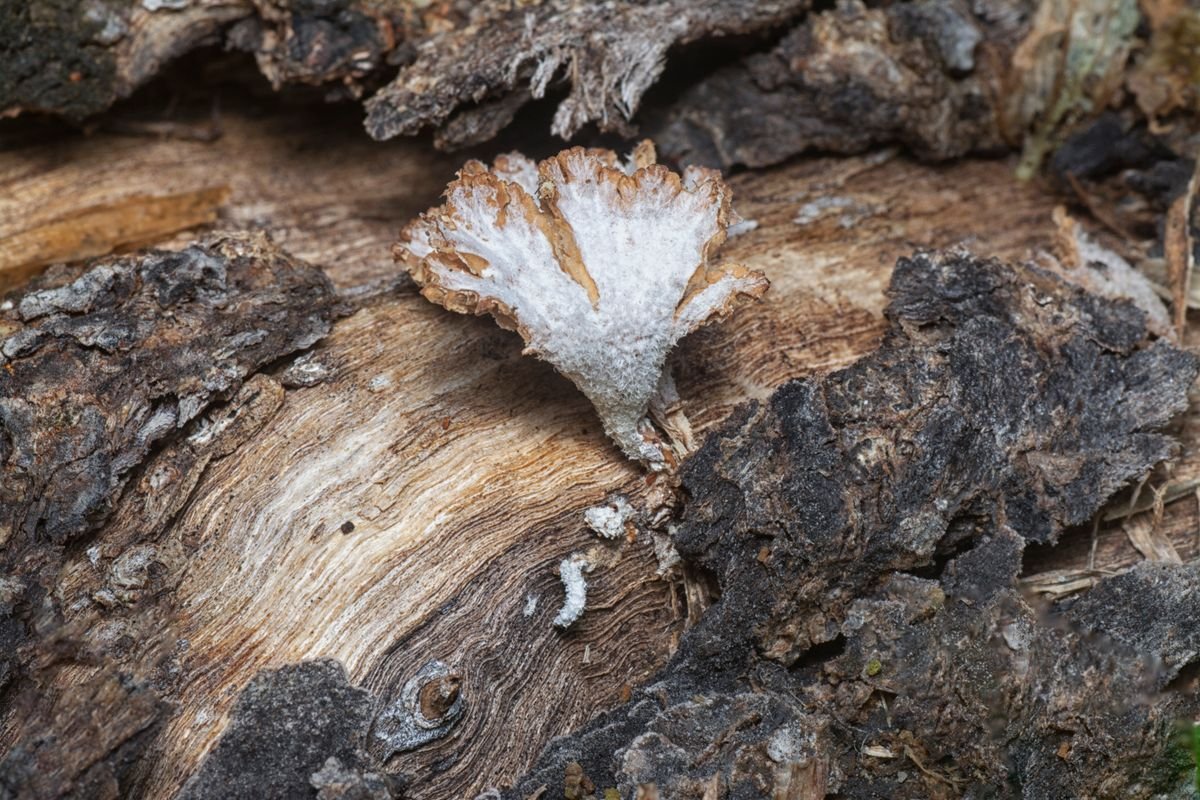
Peperomia mold splits by location. Flour-dust on living leaves is powdery mildew (treat and quarantine). Fuzzy white webbing only on the mix is usually a harmless saprophyte — scrape and dry the surface, do not neem the dirt.
Peperomia Air Purification: Avoid 3 NASA Myths
Peperomia air purification stickers cite the 1989 NASA sealed-chamber study. Cummings & Waring show potted plants cannot match building air exchange for VOCs. Keep the plant for care and biophilia — not as a HEPA substitute.
Peperomia Obtusifolia 'Albo-Marginata': Safe Care Guide
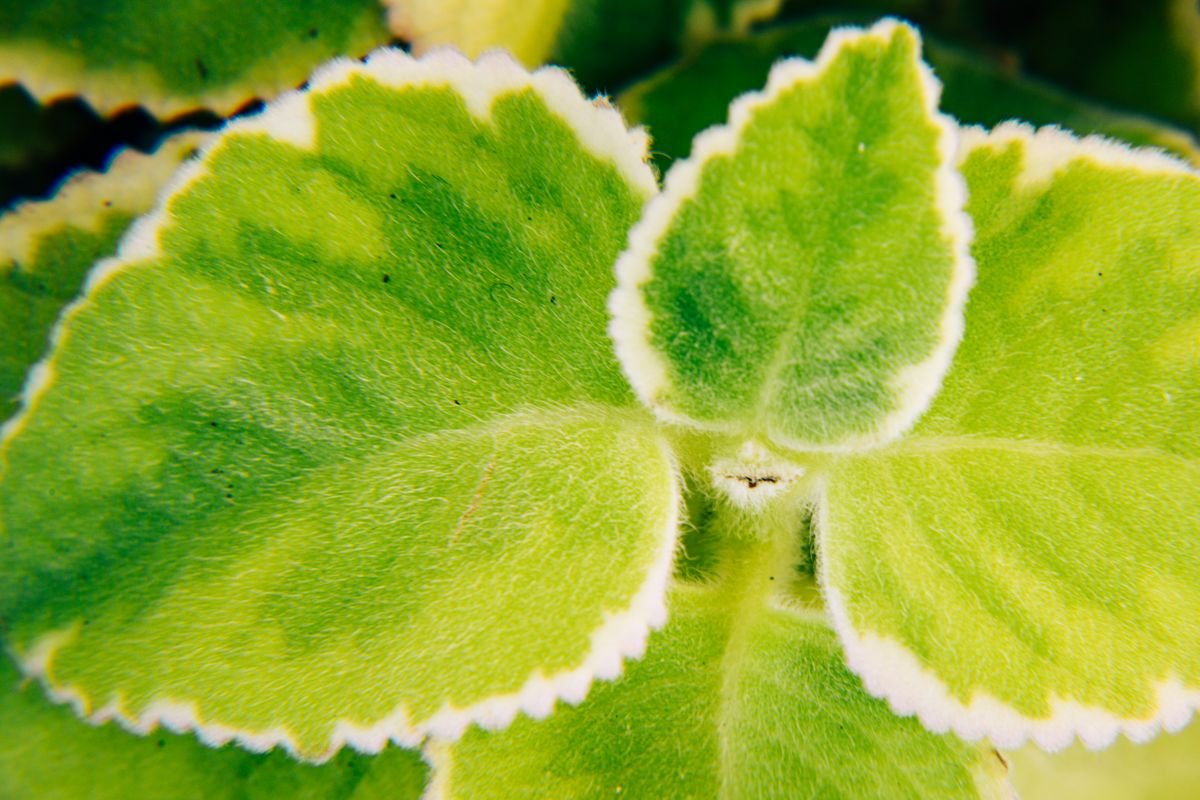
Peperomia obtusifolia 'Albo-Marginata' is identified by a stable, defined white margin around a solid green leaf centre — a periclinal chimera whose chlorophyll-free white tissue has no energy production of its own and no pigment protection against strong light, making it more sensitive than most cultivars to both light deficit and direct sun.
Peperomia Auxin Hormone: How It Controls Weak Growth
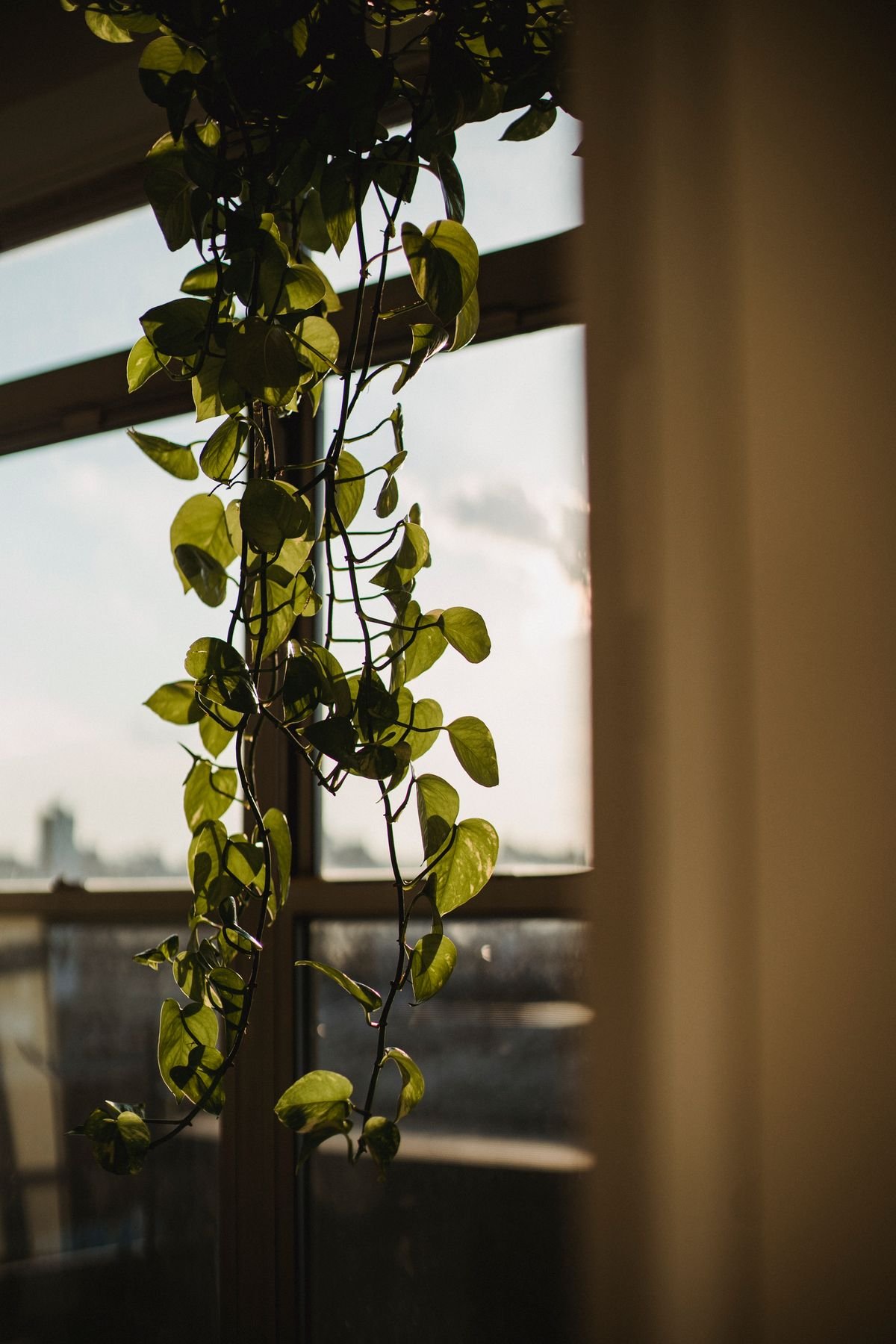
Auxin is the growth hormone behind three separate Peperomia obtusifolia behaviours that get blamed on unrelated causes — leaning toward a window, growing as a single unbranched stem, and rooting from a cut end — and understanding which is which changes how you prune, rotate, and propagate.
Peperomia Water to Soil Transition: Avoid Root Shock
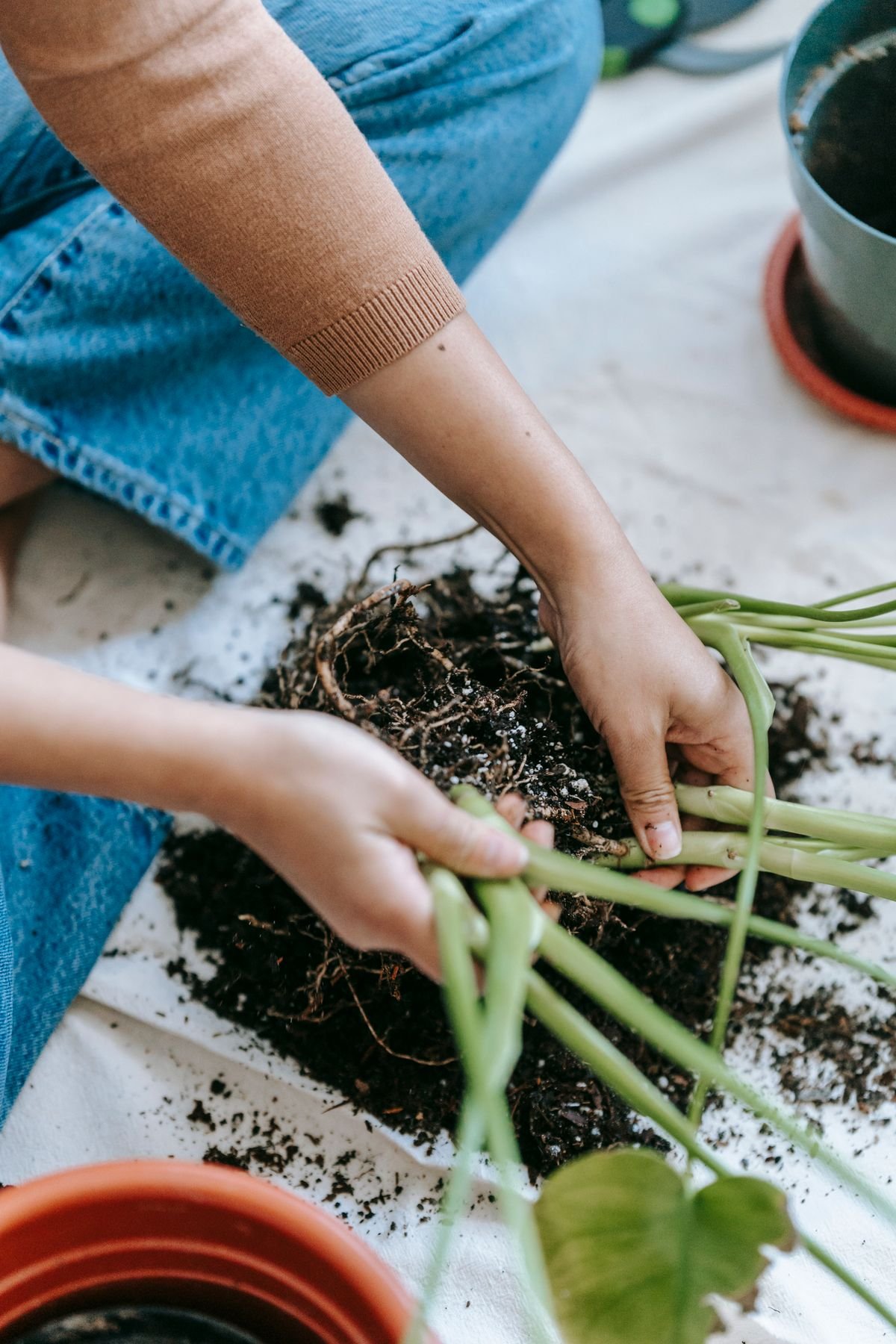
Move a Peperomia obtusifolia cutting from water to soil once its roots reach 2-3 cm, using a high-perlite transition mix and a short period of elevated humidity, since water-formed roots are structurally different from soil roots and need time to adapt rather than an abrupt switch.
The "Weight Test": A physical way to check for water
Moisture meters can lie, and chopsticks can be messy. Discover the simplest, most foolproof method for knowing exactly when your Peperomia is thirsty.
White Spots on Peperomia: Edema, Pests or Minerals?
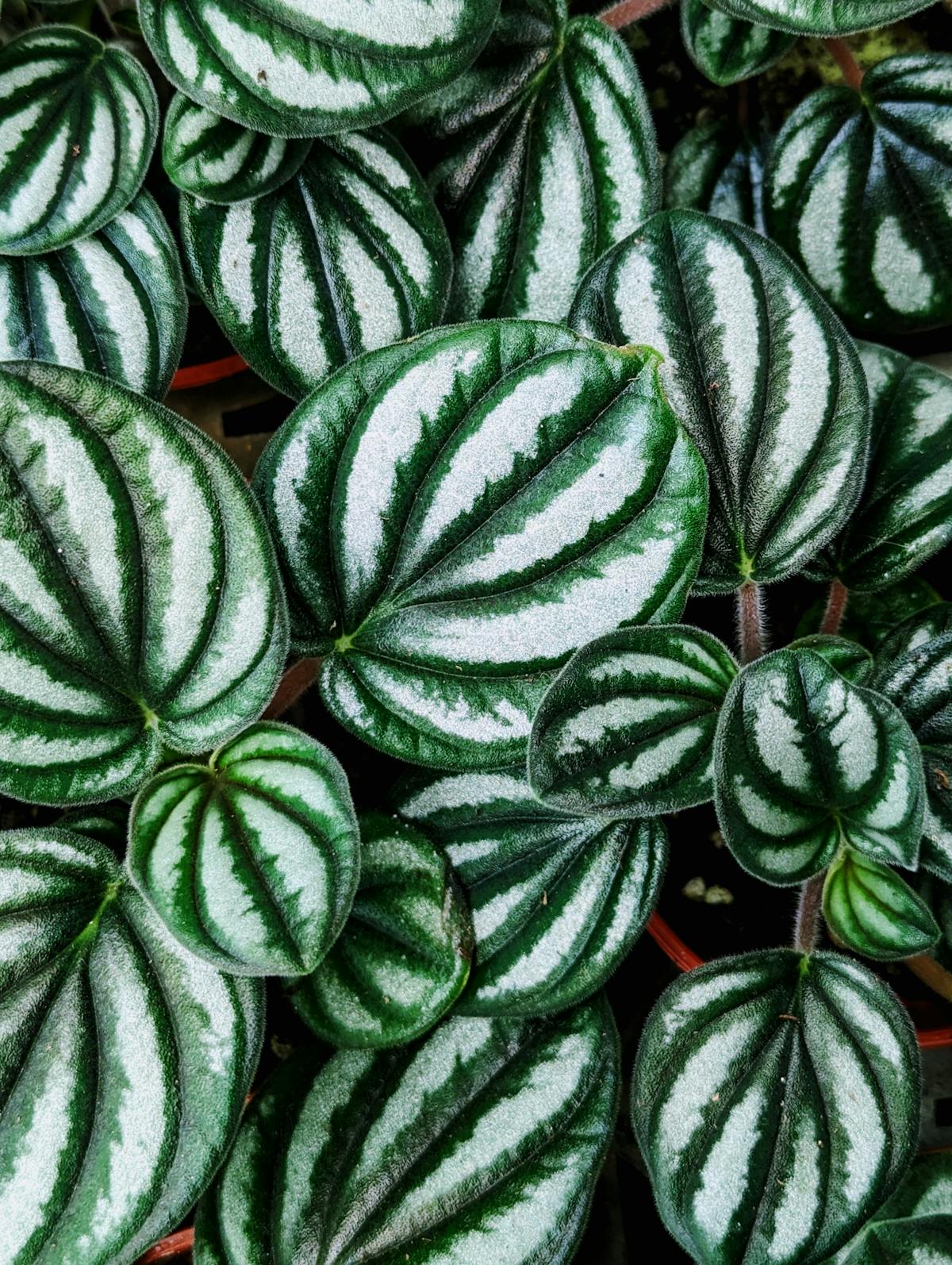
White spots on Peperomia obtusifolia are not one problem with one fix. Five distinct causes — a pest, two physiological disorders, a fungus, and a normal anatomical feature — produce white markings, and one wipe test separates them.
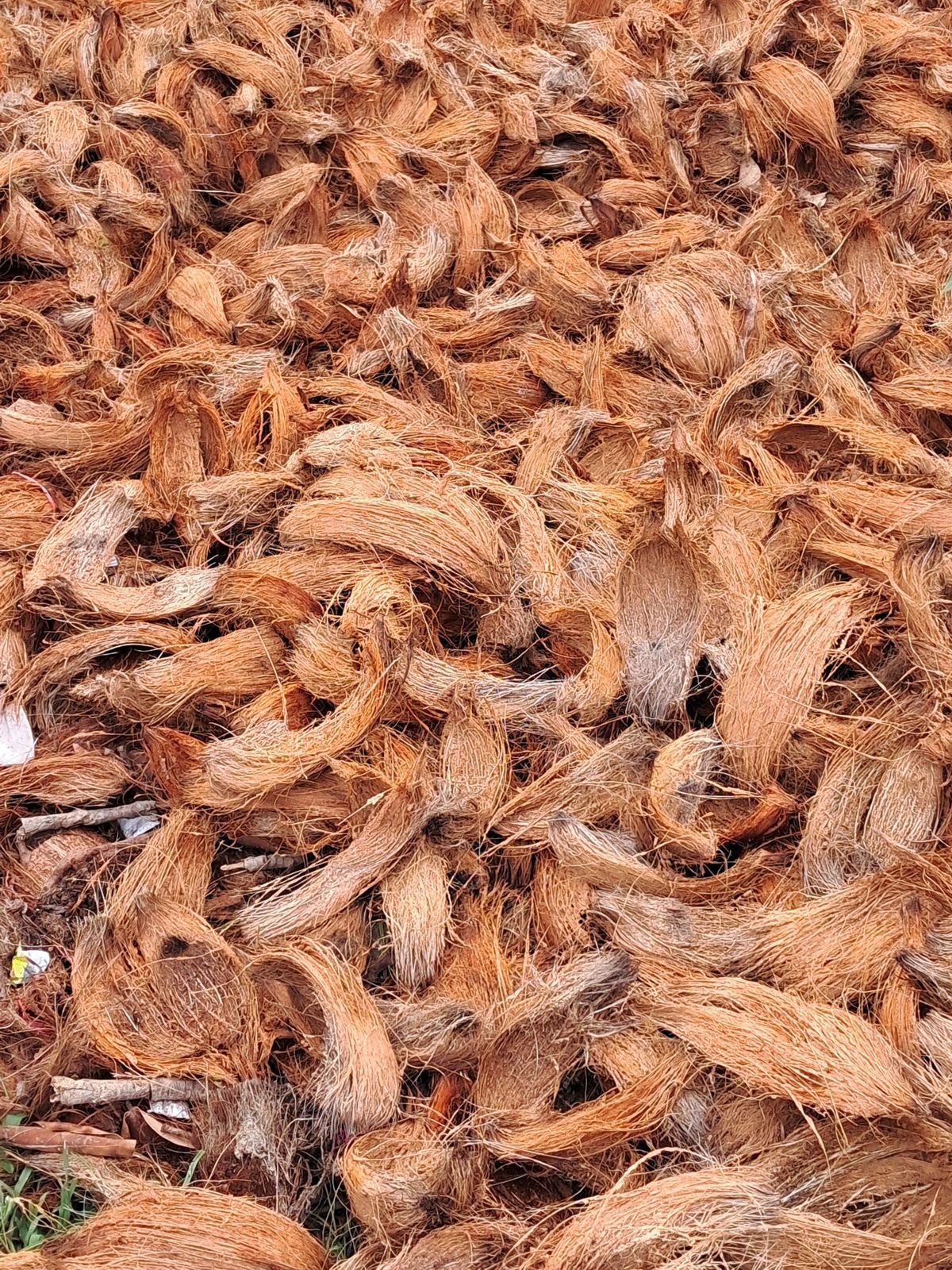
Propagating in Coco Coir: The sustainable soil alternative
It's sustainable, holds the perfect amount of moisture, and is naturally rot-resistant. Discover the benefits of propagating your Peperomia in Coco Coir.
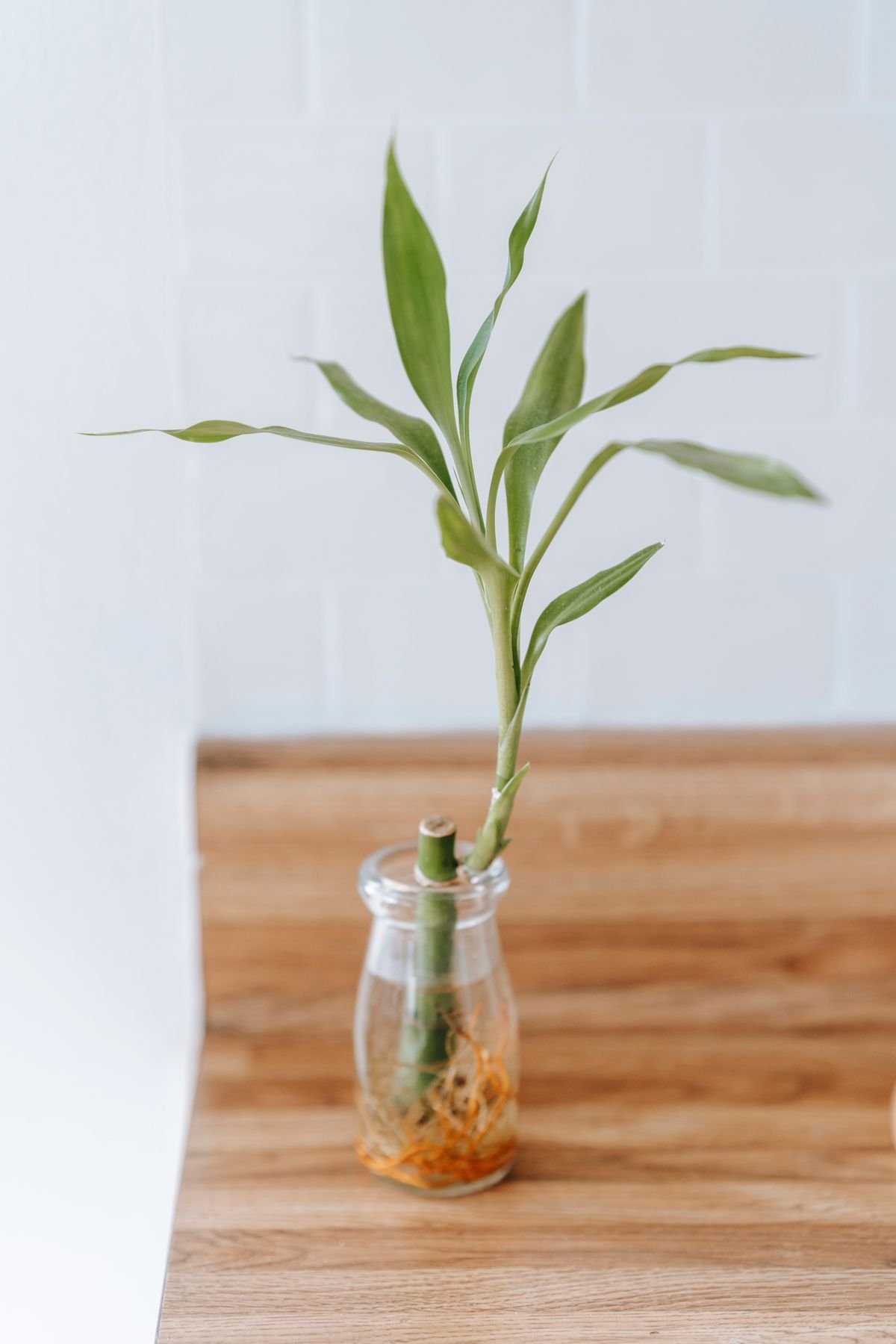
Peperomia Cuttings in Perlite: Best Semi-Hydro Method
Perlite propagation works well for Peperomia obtusifolia because the inert, high-porosity granules keep oxygen available at the cut surface throughout rooting, and the resulting roots are already substrate-adapted, removing the water-to-soil transition that trips up water-propagated cuttings.
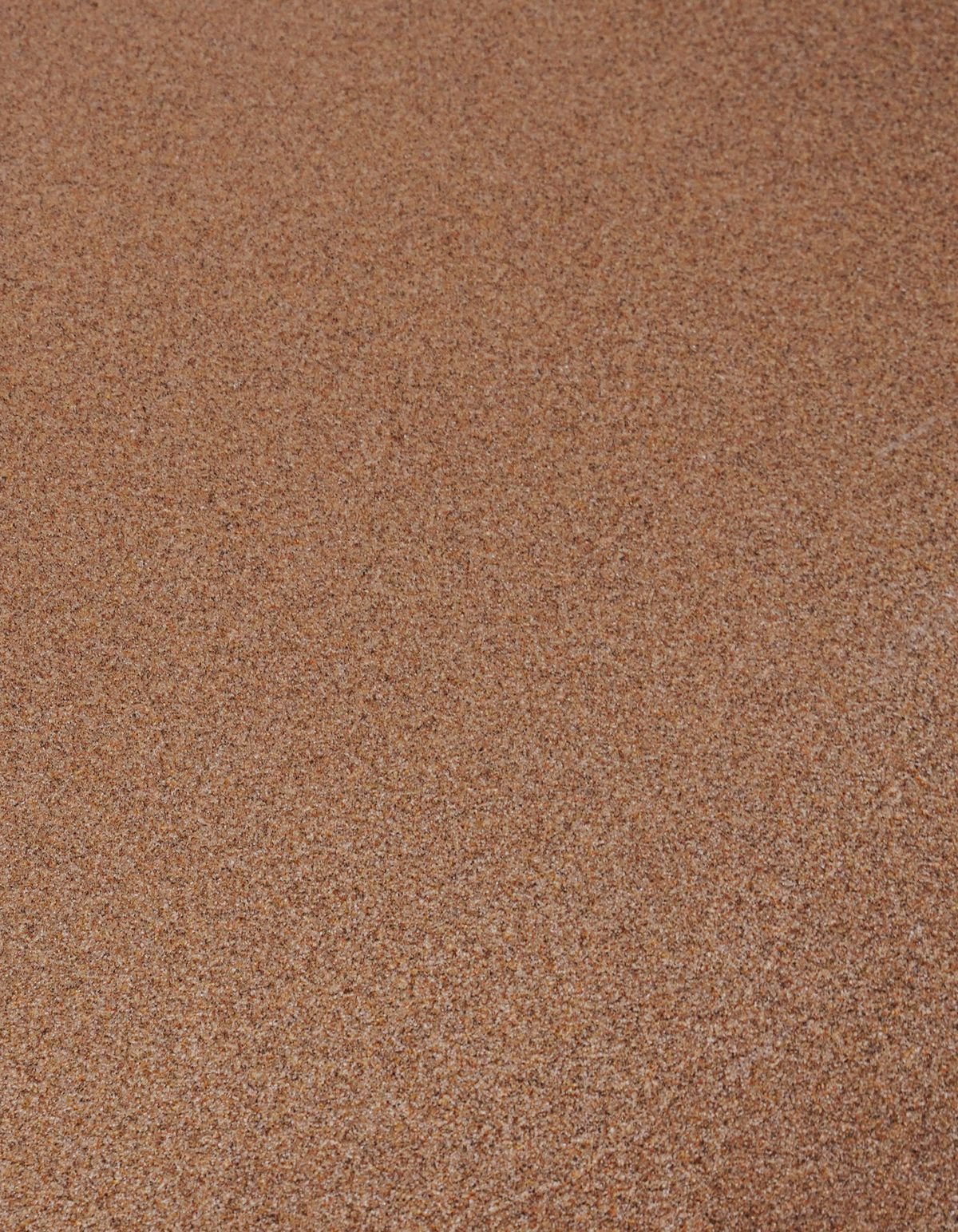
Fluval Stratum for Peperomia: Best Propagation Method
Fluval Stratum, an aquarium substrate made from porous volcanic soil, works reasonably well for Peperomia obtusifolia propagation because it stays porous while buffering water to a mildly acidic pH and supplying trace minerals — a genuine advantage over inert media, though not a guarantee against the same underlying risks any propagation method carries.
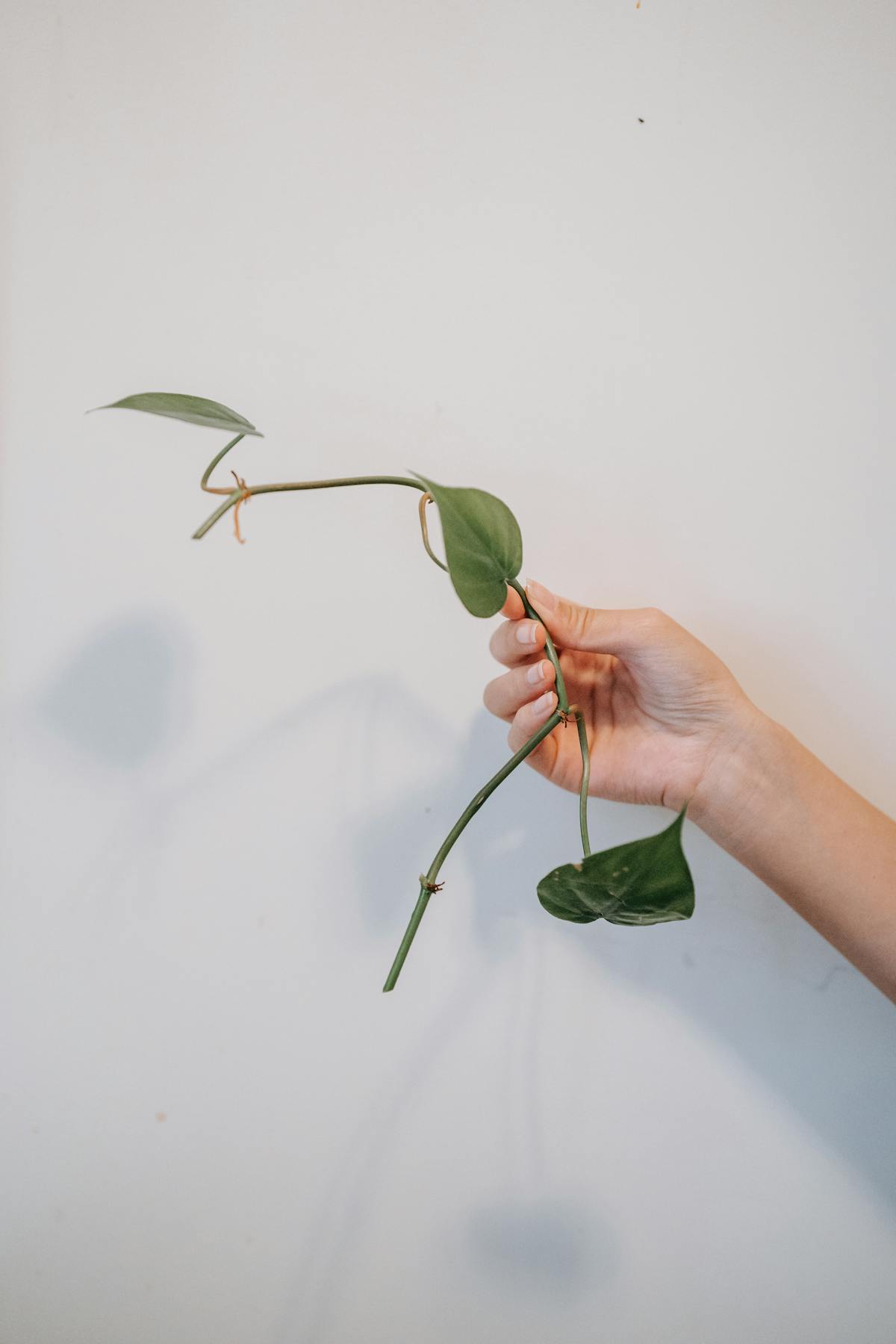
Propagating Variegated Peperomia: Avoid Reversion
Propagating variegated Peperomia obtusifolia works reliably from a stem cutting that includes at least one variegated node, since the node carries the organised chimeric tissue layers a leaf cutting cannot regenerate on its own.
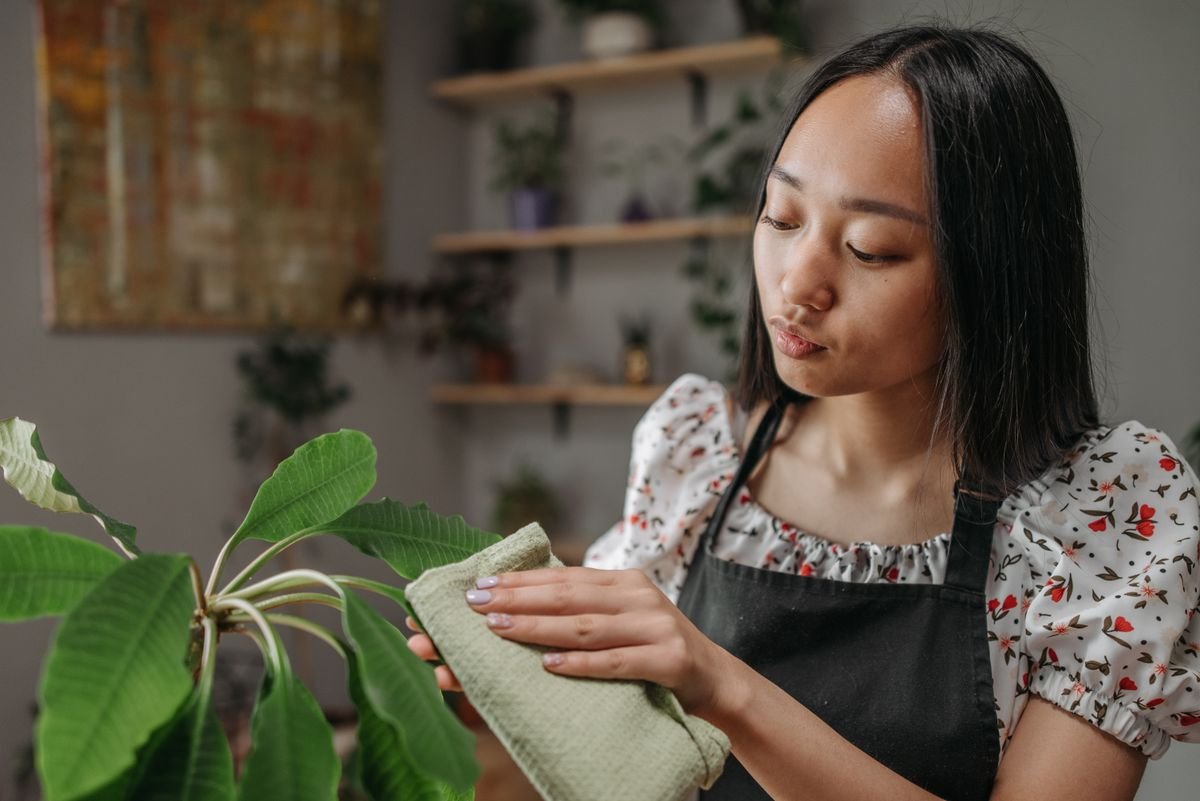
Dull Peperomia Leaves: Restoring the Signature Gloss
Peperomia obtusifolia leaves lose their signature high-gloss finish for a small set of identifiable reasons — mostly dust and mineral residue rather than anything wrong with the plant itself — and restoring it safely means plain water and a soft cloth rather than a commercial leaf-shine product.