
Expert Care Guides - Page 5
A comprehensive library of technical diagnostics, styling tips, and botanical science for the Peperomia enthusiast.
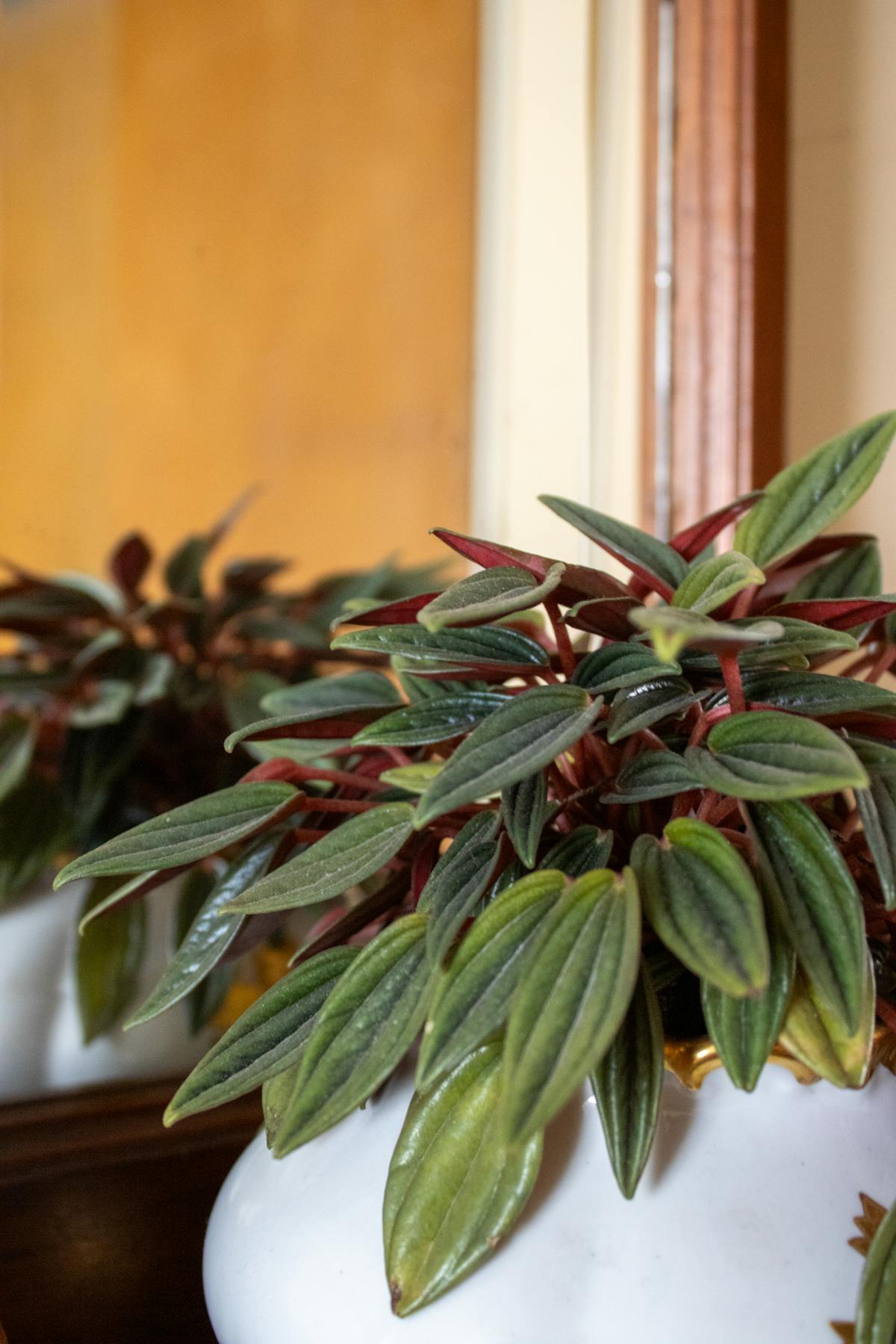
Fungus Gnats on Peperomia obtusifolia: Eradication Guide
Small dark flies hovering over Peperomia obtusifolia substrate are almost always fungus gnats, and the adults you see are a fraction of the actual population — the eggs and larvae doing the real damage live in the top couple of centimetres of substrate, which is why treatment has to target the substrate itself, sustained over several weeks, not just the visible flies.
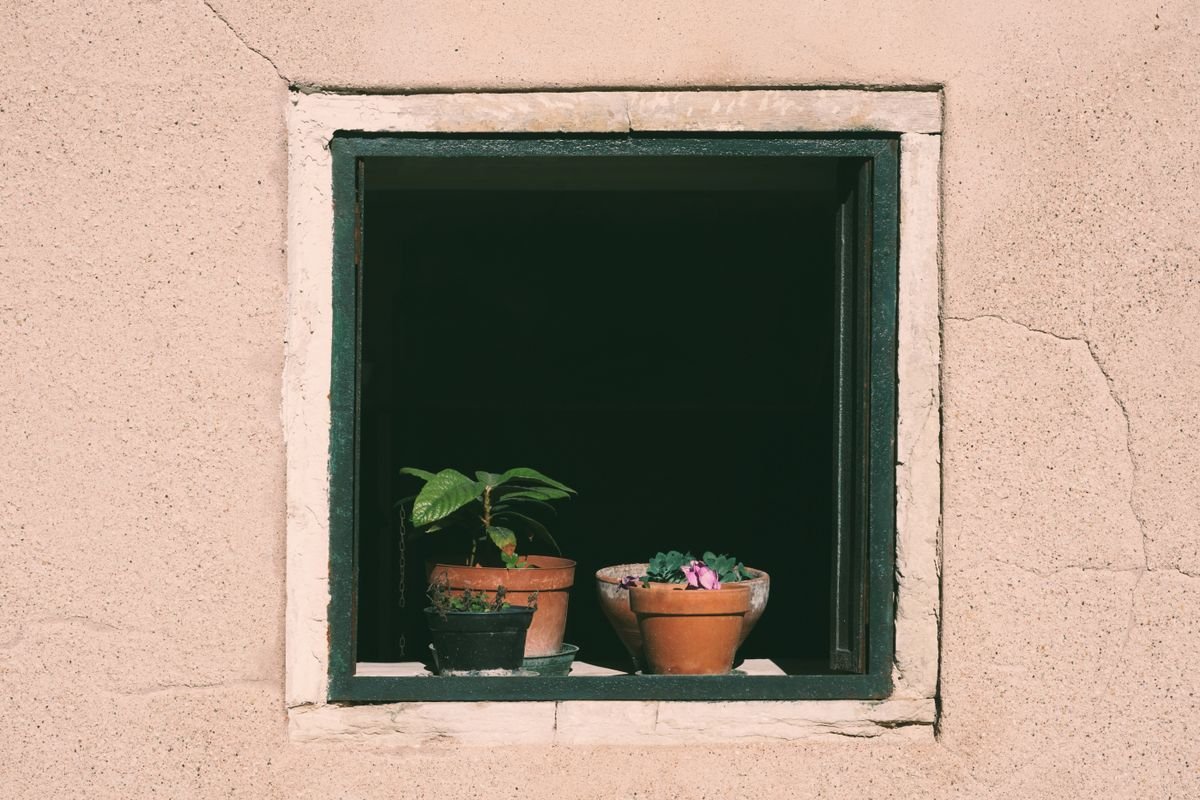
Peperomia Geotropism & Gravity: Fixing Leaning Stems
Peperomia obtusifolia roots grow down and stems grow up because of geotropism, a gravity-sensing mechanism built on settling starch grains and hormone redistribution — but the lean most growers actually see indoors is usually phototropism competing with it, not a gravity problem on its own.
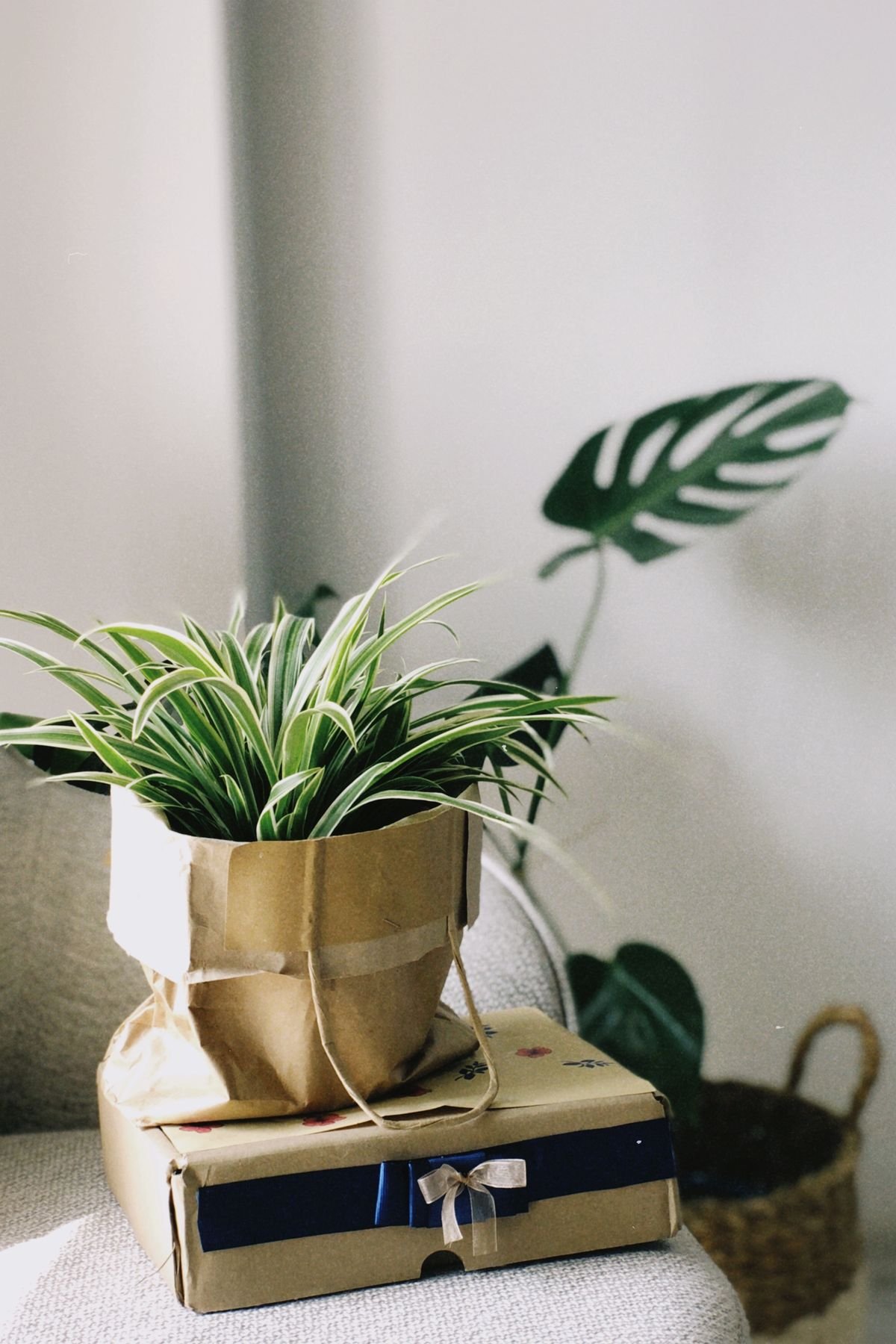
Gifting Peperomia Obtusifolia: Symbolism & Pet Safety
Peperomia obtusifolia suits gifting because it tolerates a genuine range of light and watering mistakes without dying, and its ASPCA non-toxic status removes the one risk that rules out many other popular gift plants for pet-owning recipients.
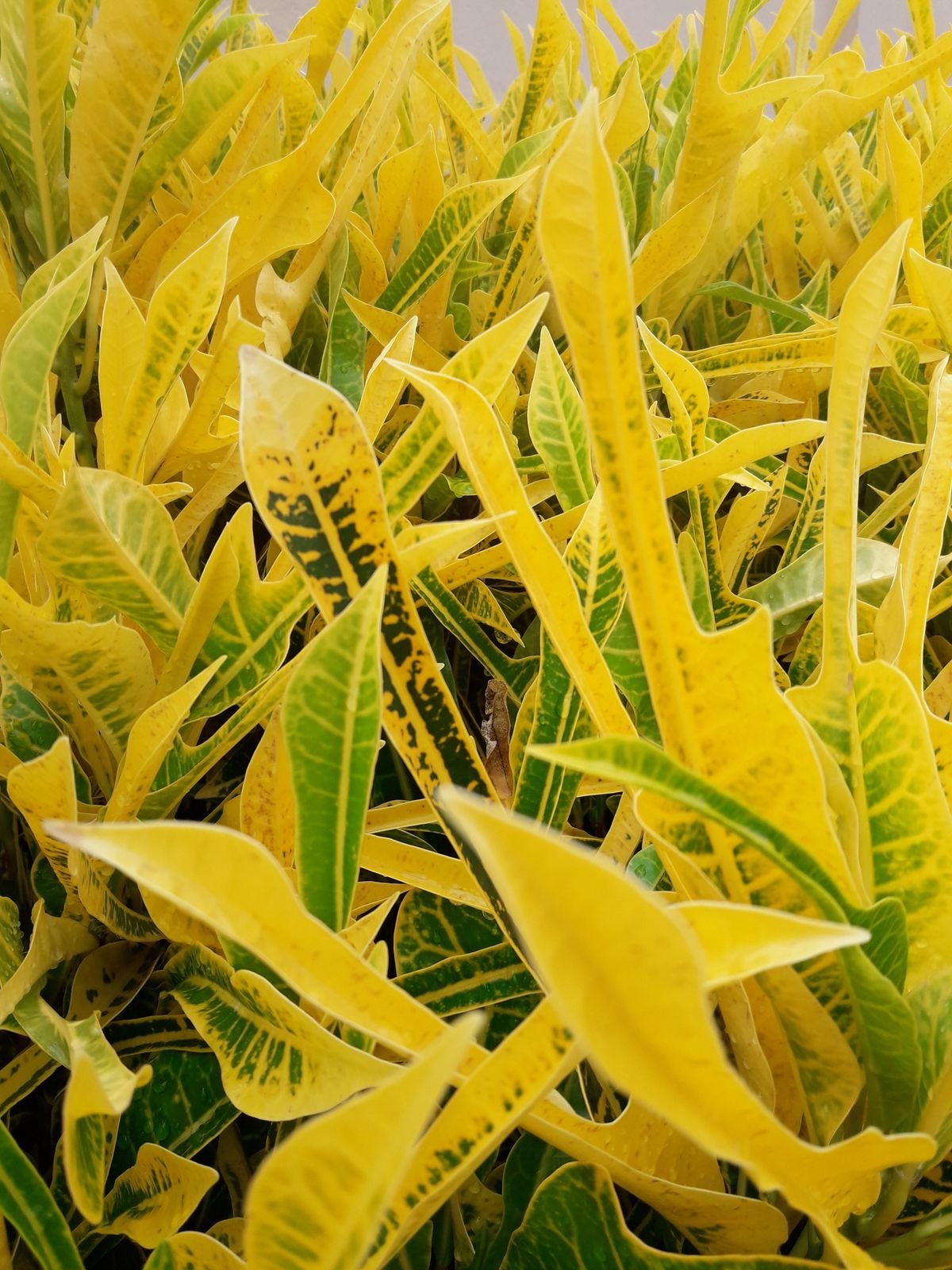
Peperomia Obtusifolia 'Gold Coast': Best Care Guide
Peperomia obtusifolia 'Gold Coast' is identified by a relatively uniform chartreuse-to-yellow leaf colour rather than distinct patches or a defined margin — a genuine pigment-ratio difference that photosynthesises better than a stark white variegation, but still needs more light than the plain green form to hold its golden tone rather than shifting toward ordinary green.
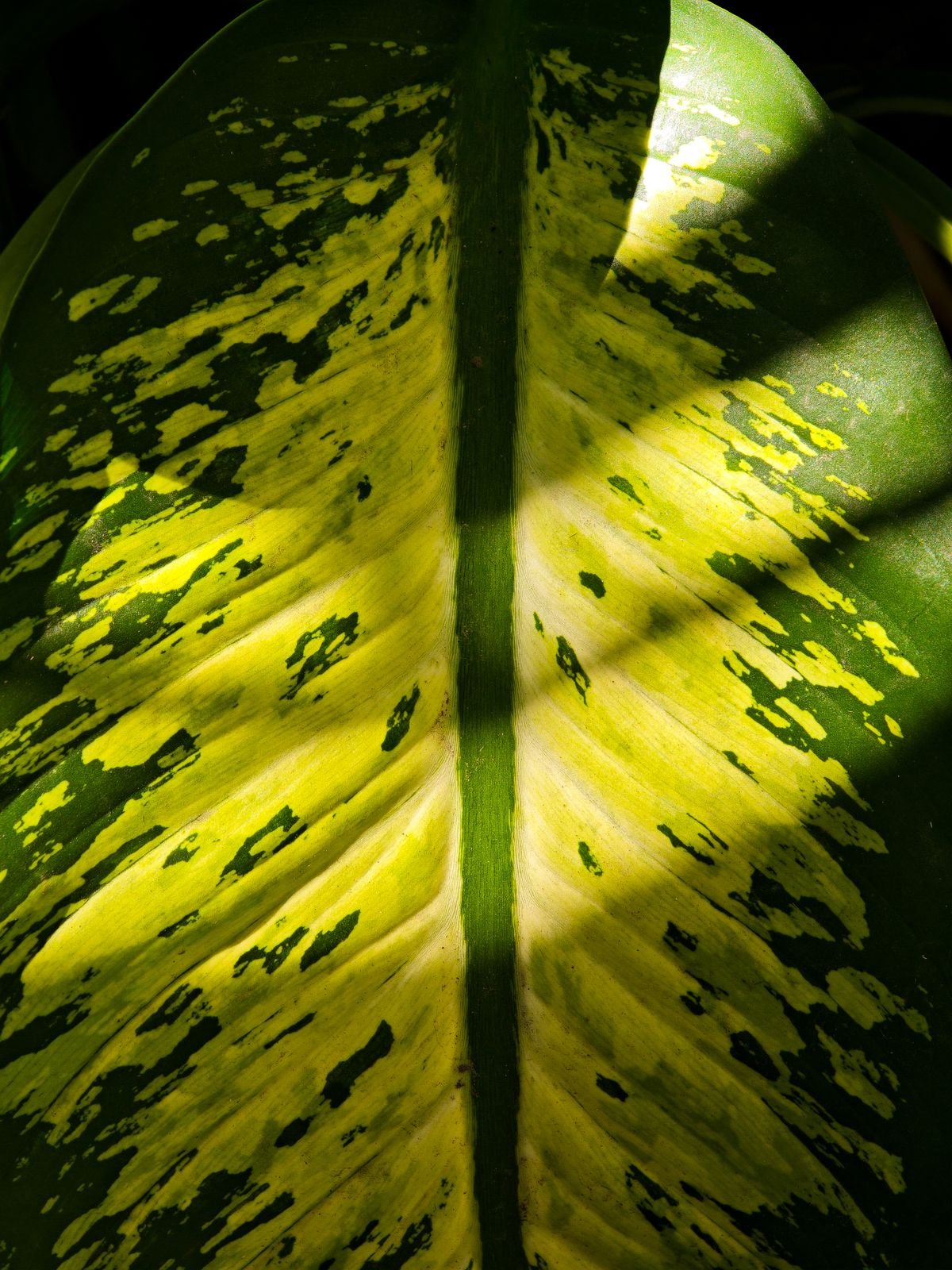
Peperomia Obtusifolia 'Golden Gate': Best Care Guide
Peperomia obtusifolia 'Golden Gate' is identified by a defined, warm yellow-to-cream margin around a green centre — a marginal chimera pattern that stays notably more stable and predictable across propagated cuttings than the randomly splashed 'Marble' pattern, which is a large part of why it is the most commonly sold variegated form of this species.
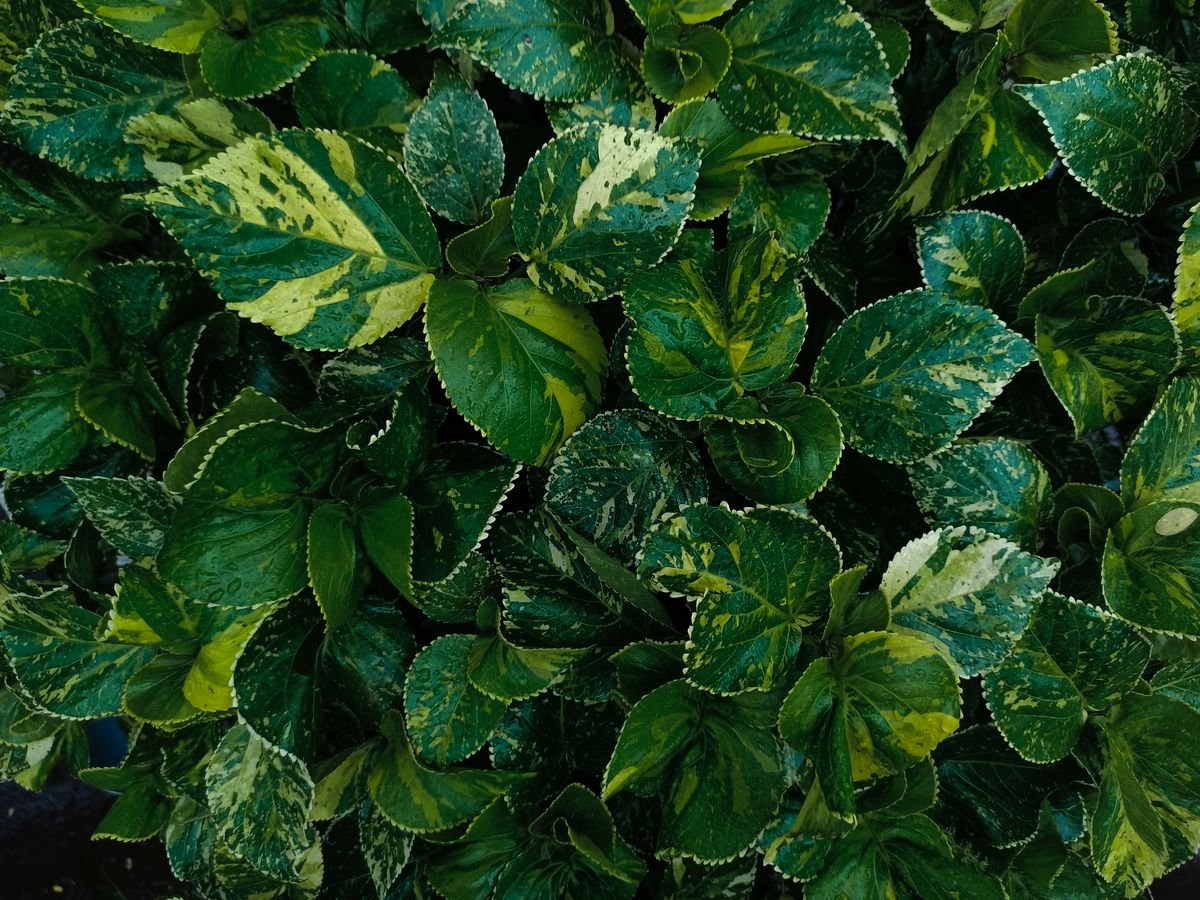
Peperomia Obtusifolia 'Green Gold': Best Care & Colour
Peperomia obtusifolia 'Green Gold' is identified by an irregular, unpredictable patchwork of gold and deep green on each leaf, distinct from the uniform glow of 'Gold Coast' — a genuine chimeric pattern that needs more light than the plain green form to maintain its contrast, and careful pruning to prevent all-gold branches from stalling out.
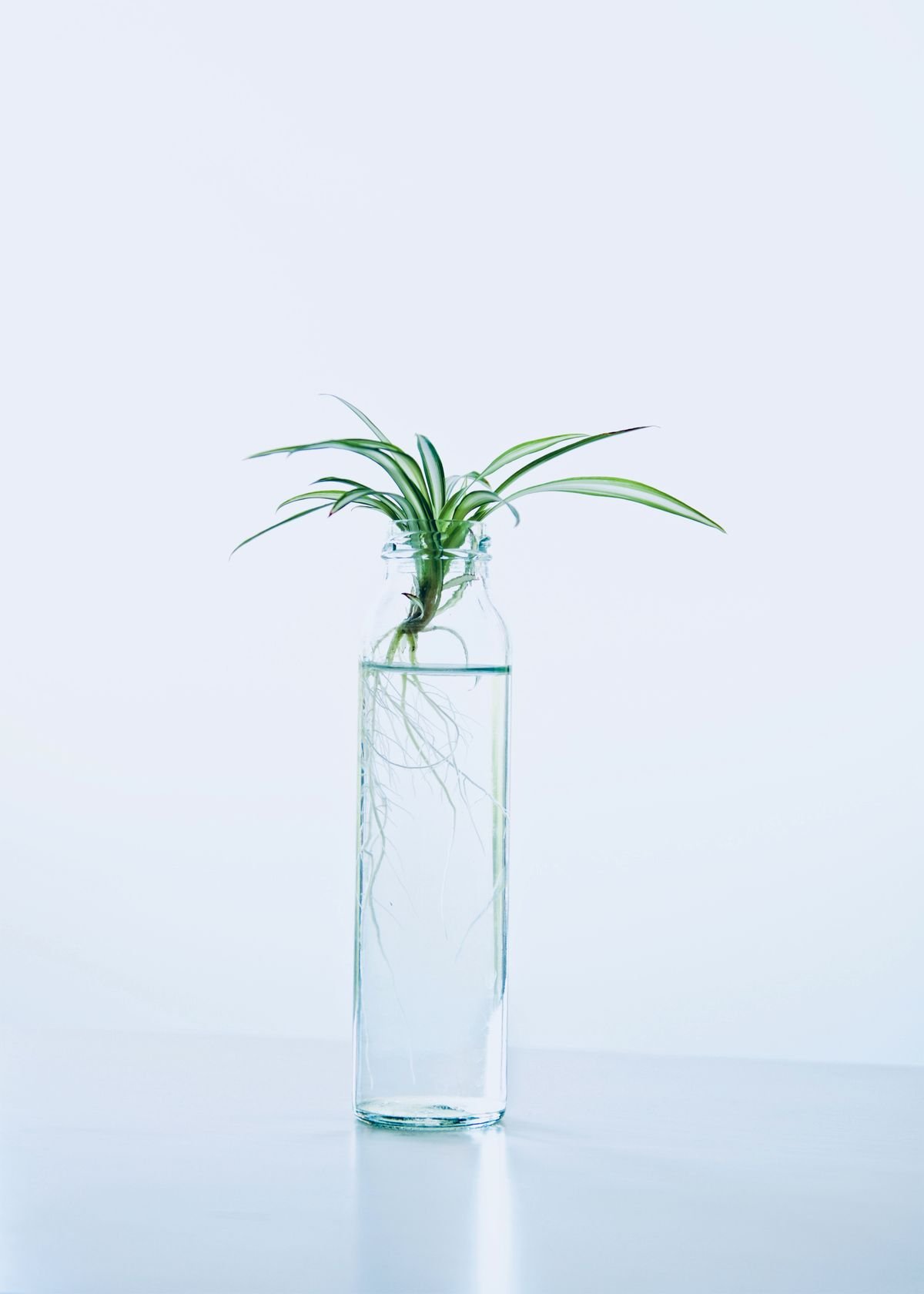
Can Peperomia Grow in Water Long Term?
Peperomia obtusifolia can live permanently in water, not just as a propagation stage, provided the roots that develop there are properly supported with a dilute nutrient solution and regular water changes — plain water alone eventually starves the plant of minerals it would otherwise get from soil.
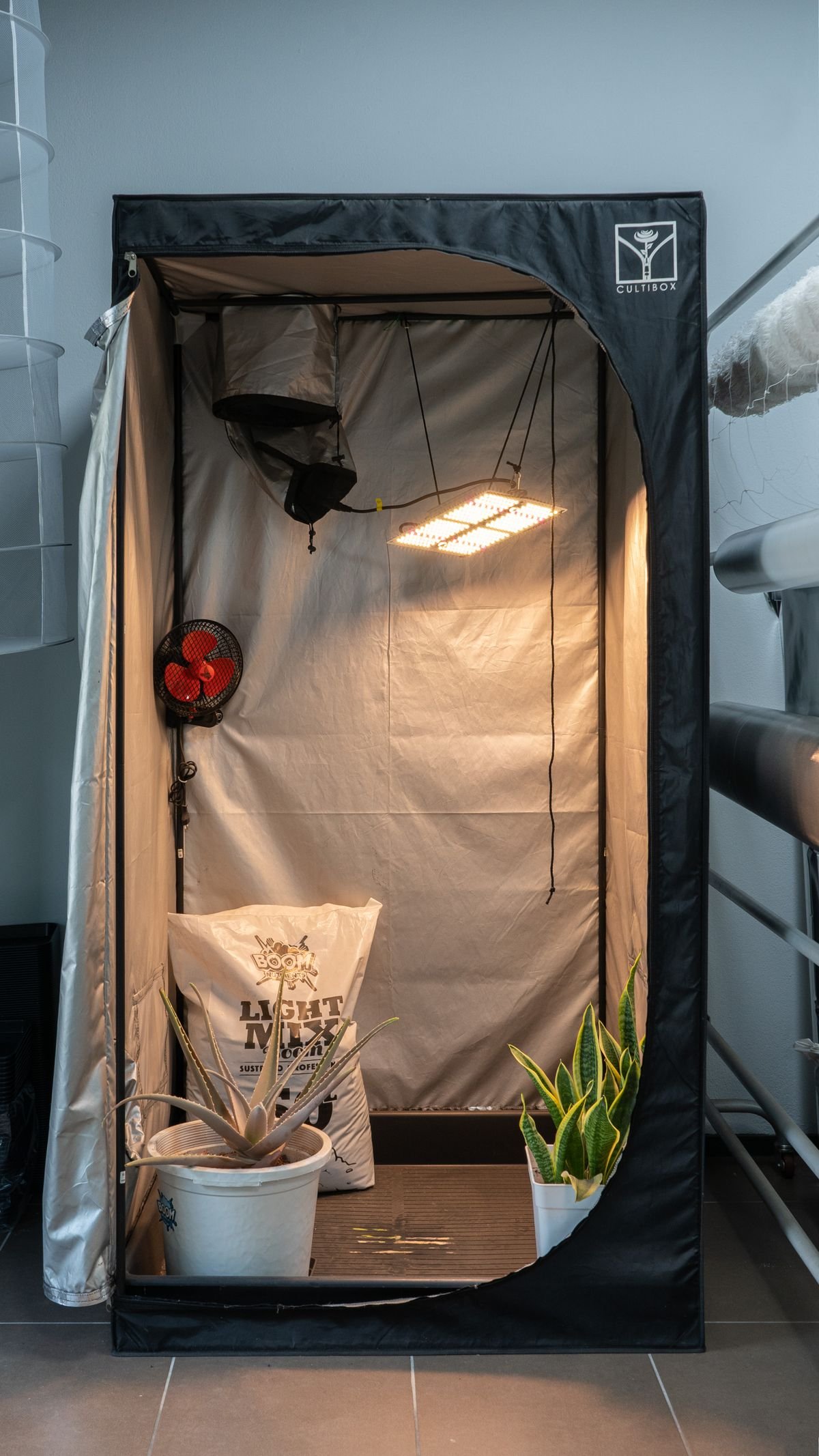
Grow Lights vs. Sunlight: A Peperomia Lighting Masterclass
Can an LED replace the sun? Explore the science of PAR, PPFD, and the inverse-square law to grow a thriving Peperomia in any environment.
Best Grow Light for Peperomia: Setup and Distance
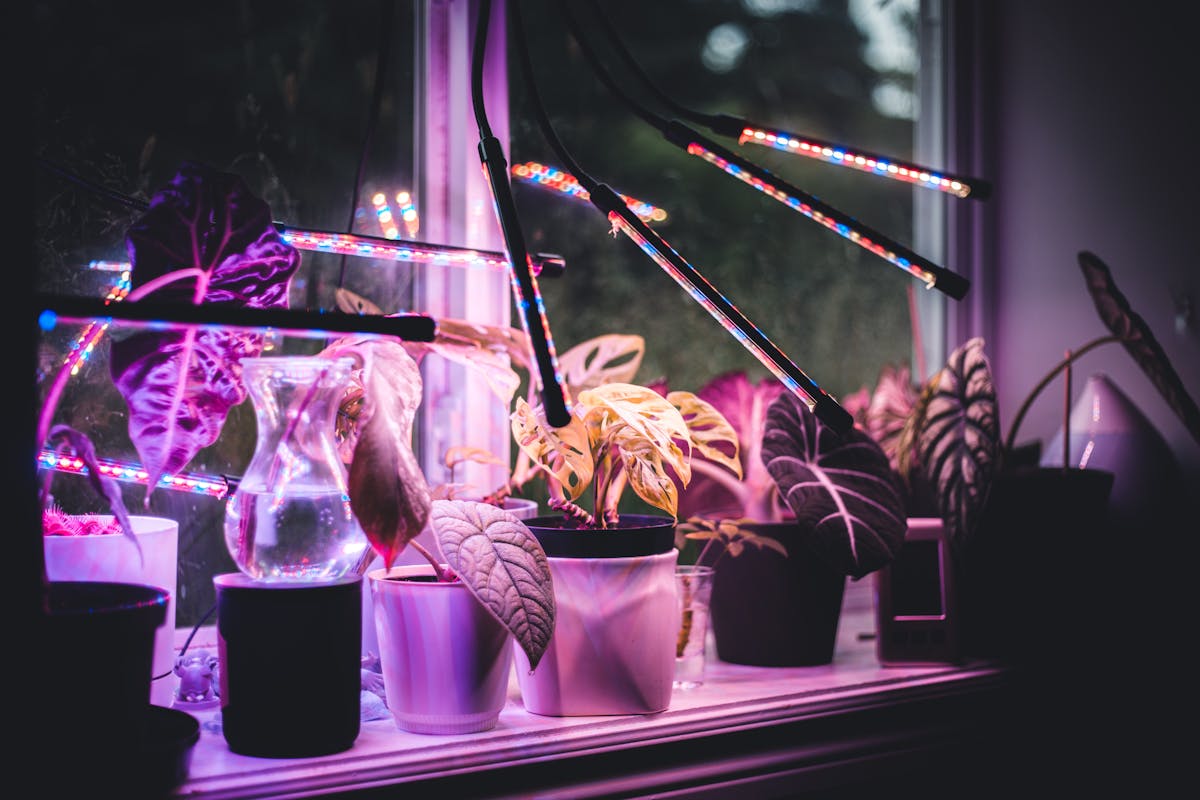
A grow light for Peperomia obtusifolia only needs to replicate 2,000–4,000 lux of diffuse light, not the highest PPFD a fixture can produce. This guide covers fixture type, the lux-to-PPFD conversion for LEDs, correct mounting distance and photoperiod, and why a high CRI rating helps you see problems on the plant rather than helping the plant itself.
Peperomia Guttation: Why Droplets Form & Is It a Problem
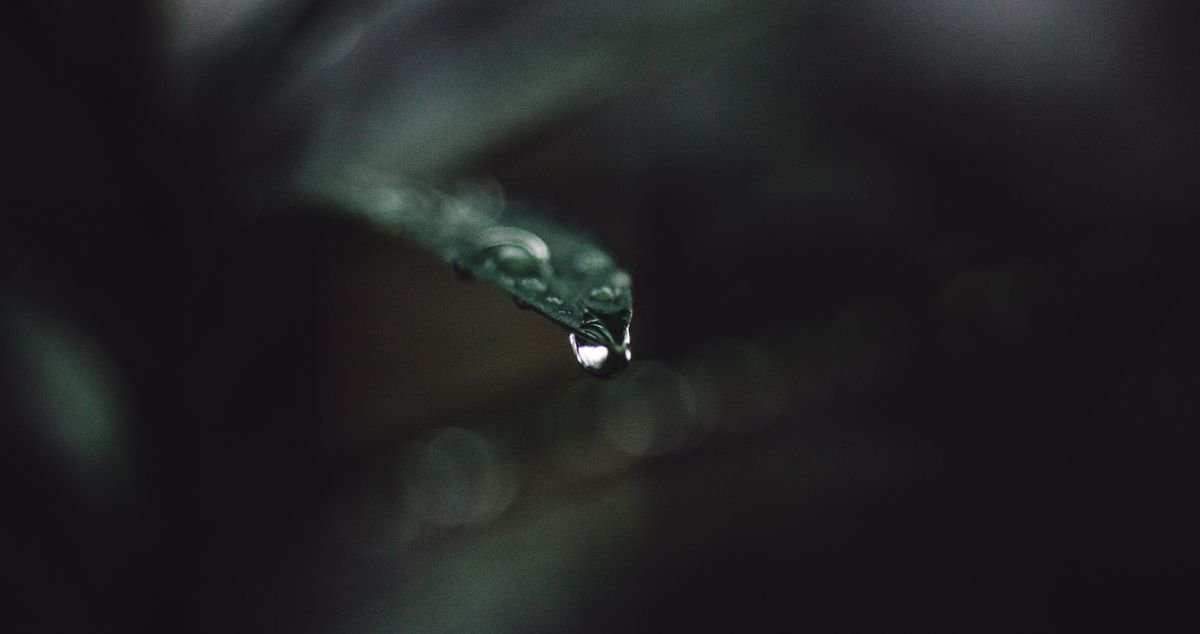
Clear droplets at the tips of Peperomia obtusifolia leaves, usually noticed in the morning, are guttation — root pressure pushing excess water out through dedicated pores when the roots absorb more than the plant can use overnight — and this is usually a normal, harmless process rather than a sign of overwatering, though persistent guttation every single morning is worth checking against substrate moisture.
Peperomia Obtusifolia Hanging Baskets: Best Care Tips
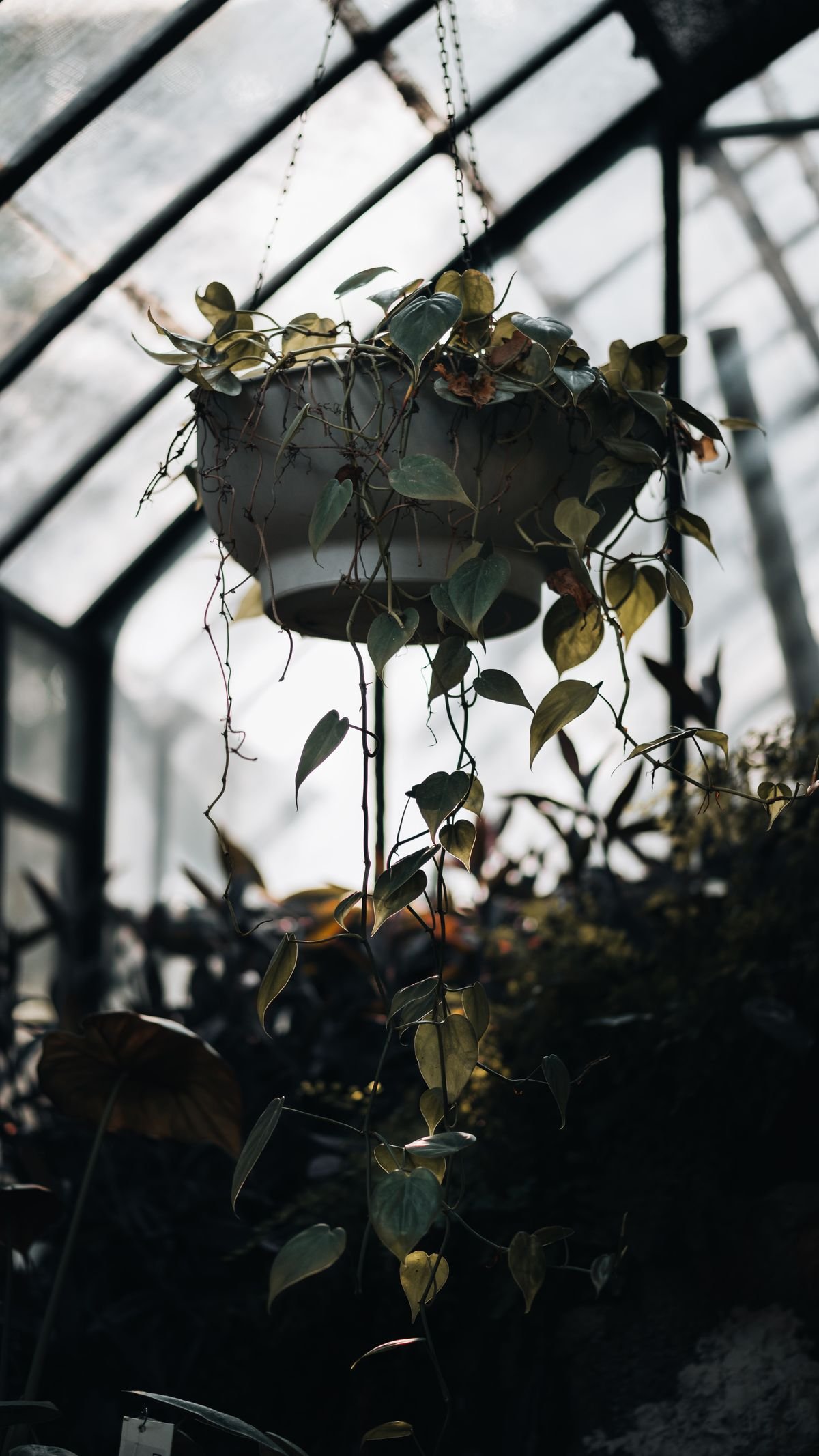
Peperomia obtusifolia suits hanging baskets well because its natural growth habit is decumbent rather than strictly upright, though elevated placement dries out faster and needs a slightly adjusted watering check.
Plumier, Linnaeus, and the Global Journey of Peperomia
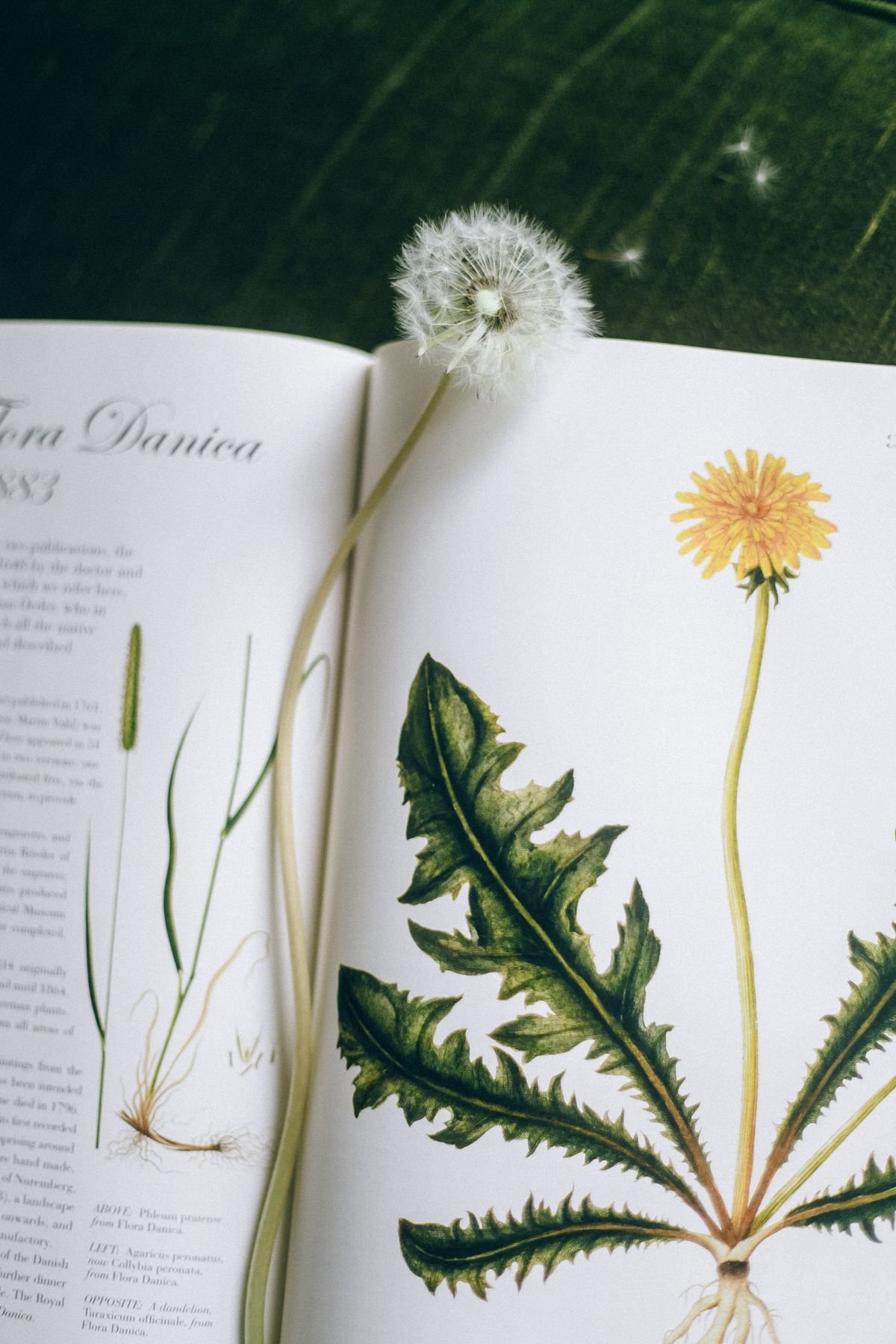
From Caribbean shipwrecks to royal botanical gardens. Discover the 300-year history of Peperomia obtusifolia and its journey through scientific discovery.