Expert Care Guides - Page 18
A comprehensive library of technical diagnostics, styling tips, and botanical science for the Peperomia enthusiast.
Variegation vs. Coloration: The botanical distinction
Is it a mutation or just a tan? Discover the technical differences between genetic variegation and environmental coloration in the Peperomia world.
Watering with Ice Cubes: A dangerous myth
It's a popular internet 'hack' that slowly tortures tropical plants. Learn why you should never put ice cubes on your Peperomia's soil.
Misting: Why You Should Stop Misting Your Peperomia
It's a staple of 'aesthetic' plant care, but misting is often more harmful than helpful. Learn the science of why your Peperomia prefers dry leaves and high ambient humidity.
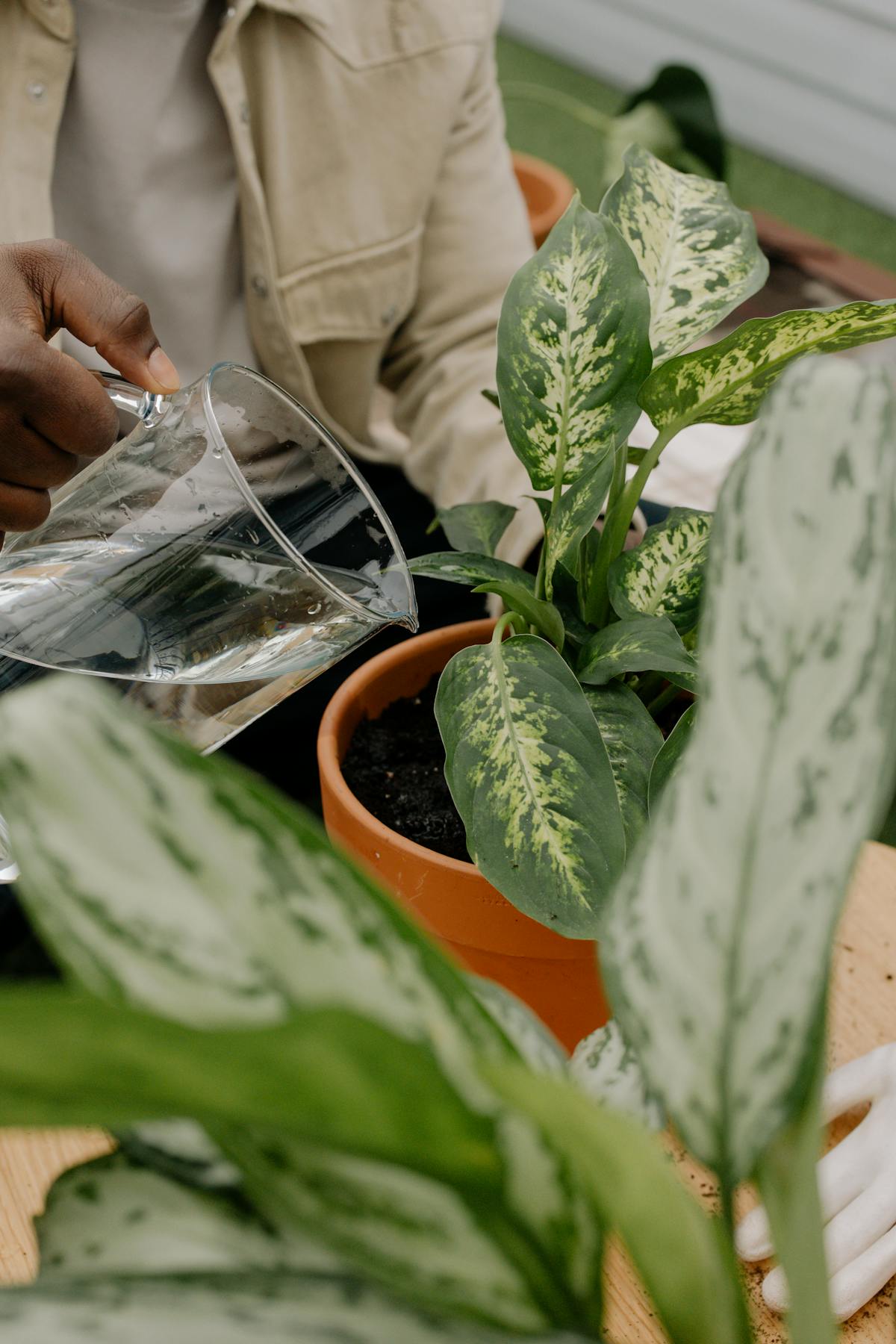
Bottom Watering Peperomia obtusifolia: Capillary Physics & Protocol
Bottom-watering hydrates the root ball via capillary rise — the upward movement of water through soil pores driven by adhesion and surface tension. For Peperomia obtusifolia the technique keeps the top 1–2 cm of substrate dry (denying fungus gnats their oviposition zone) while evenly hydrating the lower root zone. The catch: salts accumulate at the surface over time and require a quarterly top-flush.
Peperomia Aerial Roots: Why They Grow & What to Do
Is your Peperomia sprouting tiny brown nubs in the middle of its stem? Learn the evolutionary purpose of aerial roots and the three things you can do with them.
Oxygen & Air Exchange: How Your Peperomia Breathes
Your Peperomia is not a static ornament; it is a complex, breathing engine. Learn how stomata, transpiration, and C3/CAM plasticity dictate how this plant interacts with the air.
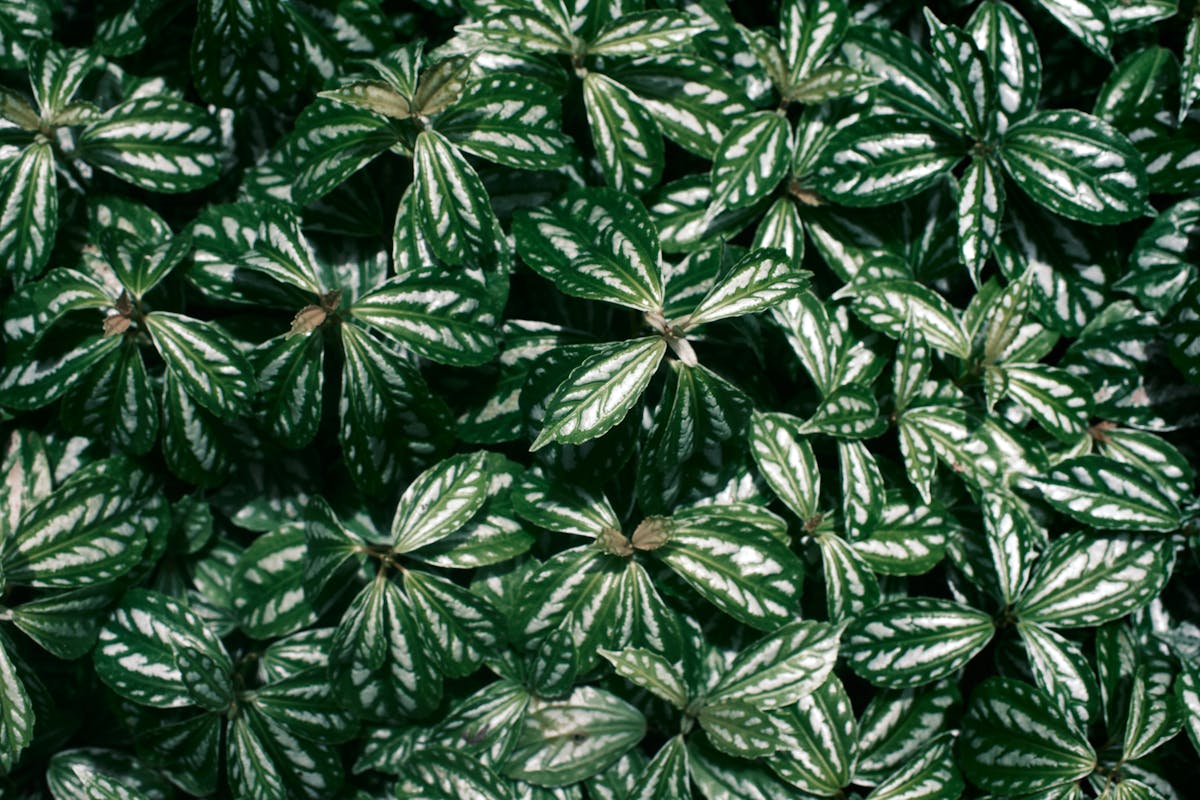
Can Peperomia Obtusifolia Live in a Bathroom? Thermodynamics & Care
The bathroom is often touted as the ideal tropical plant environment, but for Peperomia obtusifolia, it presents unique thermodynamic challenges. Understanding VPD is the key to survival.
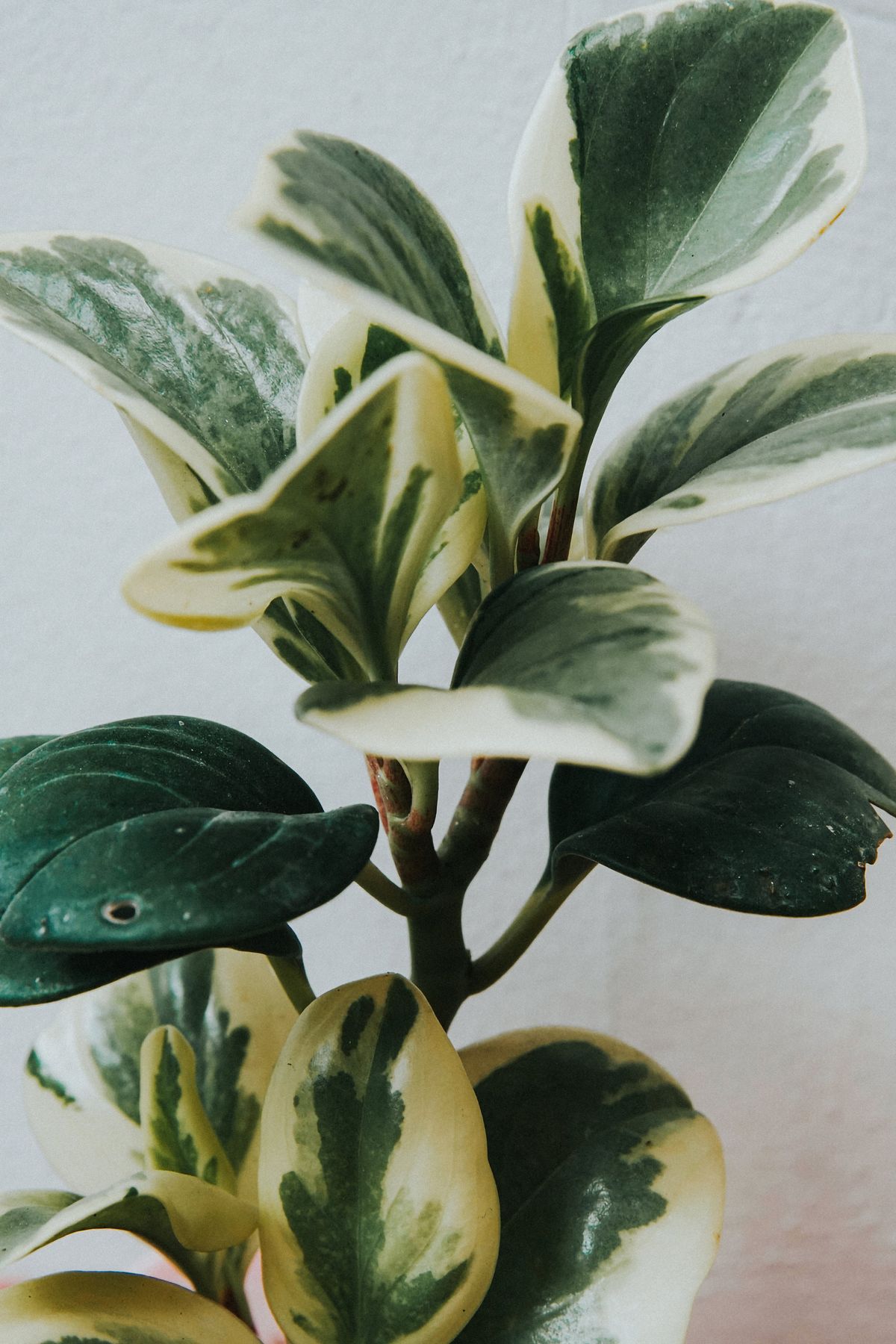
Peperomia Obtusifolia 'Bicolor' Care Guide: Stems & Variegation
The 'Bicolor' cultivar is defined by its striking red stems and irregular, splashed variegation. Discover the biological mechanisms behind its unique pigmentation and care requirements.
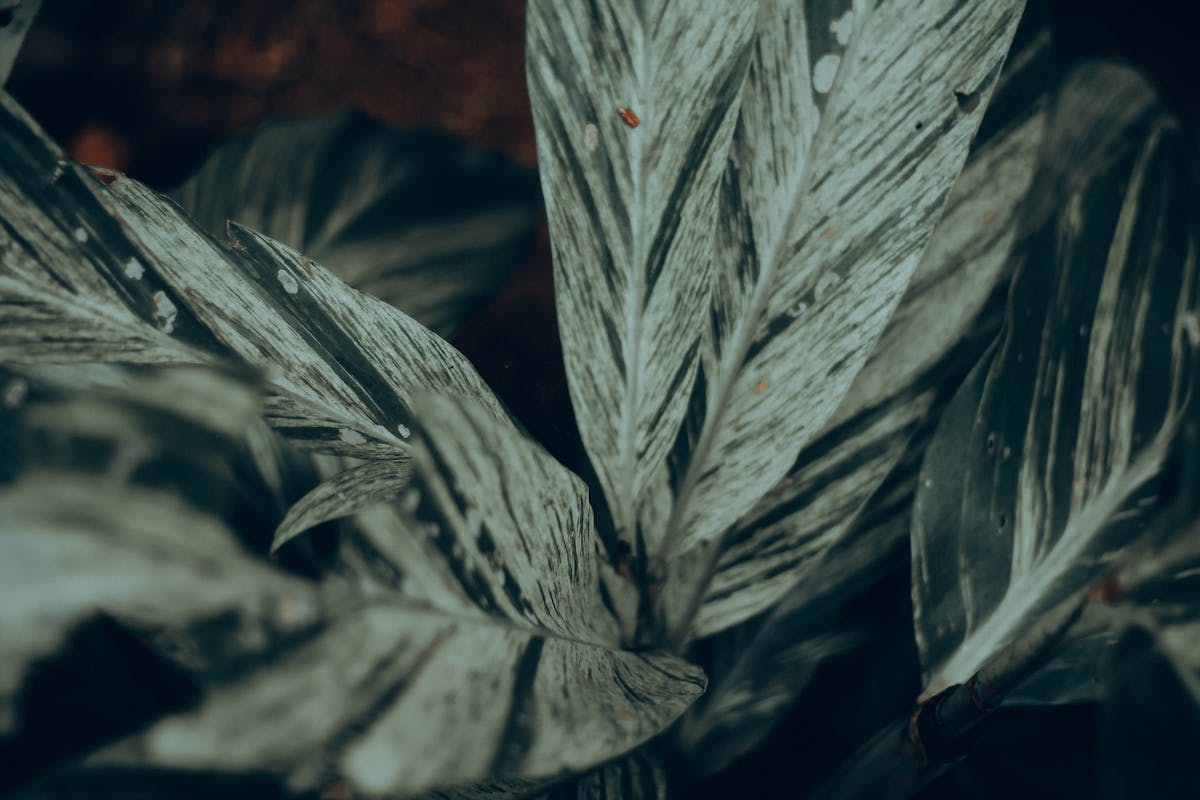
Peperomia Obtusifolia 'Boie': The Rare Collector's Cultivar
The 'Boie' is the connoisseur's choice. Rarely found in commercial nurseries, it features a unique silver-green variegation and a naturally bushy growth habit that collectors prize.
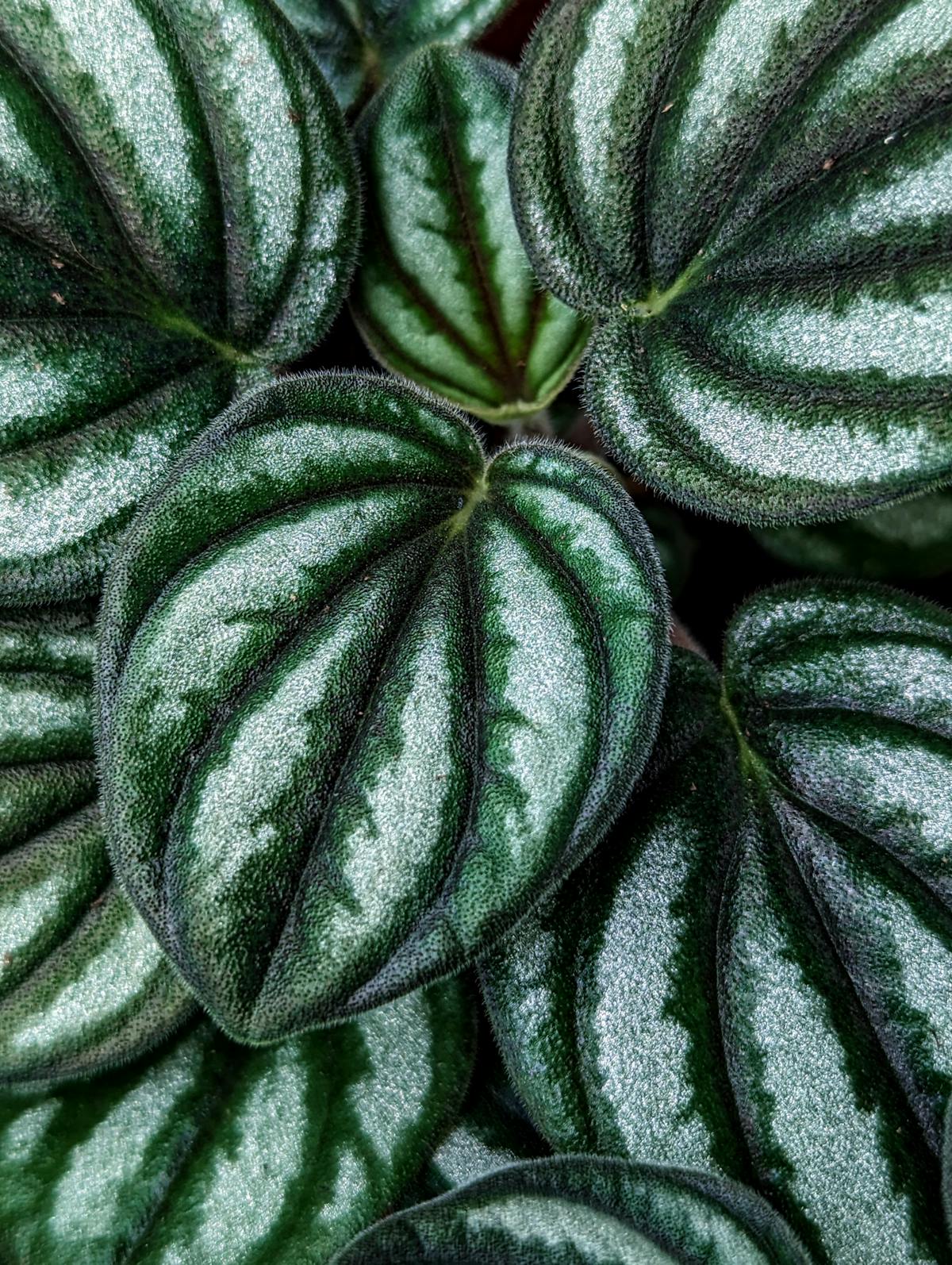
Peperomia Obtusifolia Curling Leaves: 10 Causes & Fixes
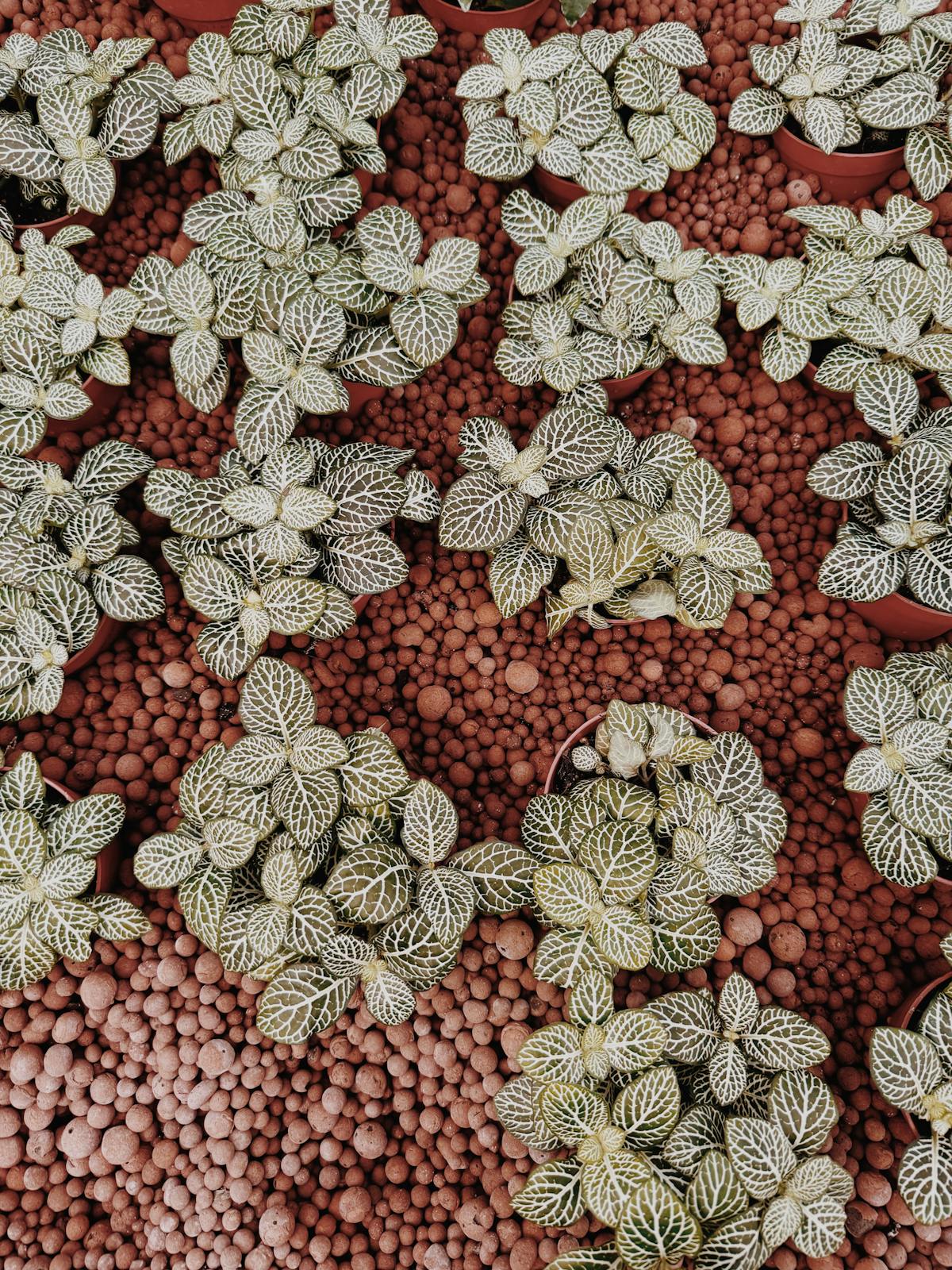
Peperomia obtusifolia in LECA: The Canonical Semi-Hydroponics Guide
LECA (lightweight expanded clay aggregate) is an inert, porous substrate that delivers water via capillary rise while preserving the macro-pores roots need for oxygen exchange. For Peperomia obtusifolia — a facultative epiphyte adapted to high-airflow root zones — the medium suits the species. The catch is that it is chemistry-dependent: water alone supplies no nutrients, pH drifts during the dry-down cycle, and the salt-flush is required on a fixed interval, not "as needed".
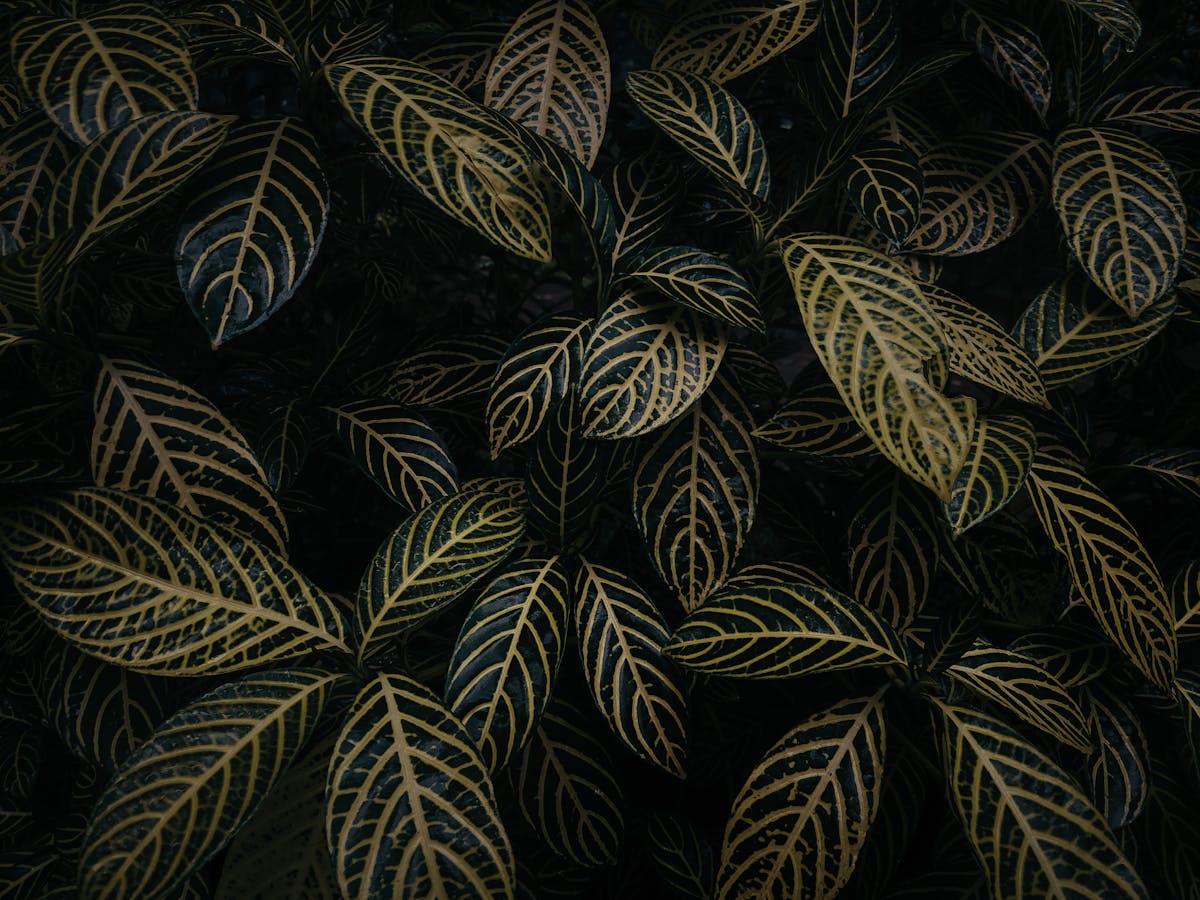
Yellow Leaves on Peperomia obtusifolia: Diagnosis & Recovery
Yellow leaves are a chlorophyll-breakdown signal, not a diagnosis on their own. The location and pattern identify the cause: bottom-up uniform yellow is nitrogen mobilisation from root rot or fertiliser deficit; top-down interveinal chlorosis (yellow tissue, green veins) is iron lockout from alkaline pH; solid yellow with mushy texture and wet substrate is root anoxia. The reflex to "add fertiliser when leaves yellow" is wrong on a root-rotting plant — diagnose first.