Expert Care Guides - Page 10
A comprehensive library of technical diagnostics, styling tips, and botanical science for the Peperomia enthusiast.
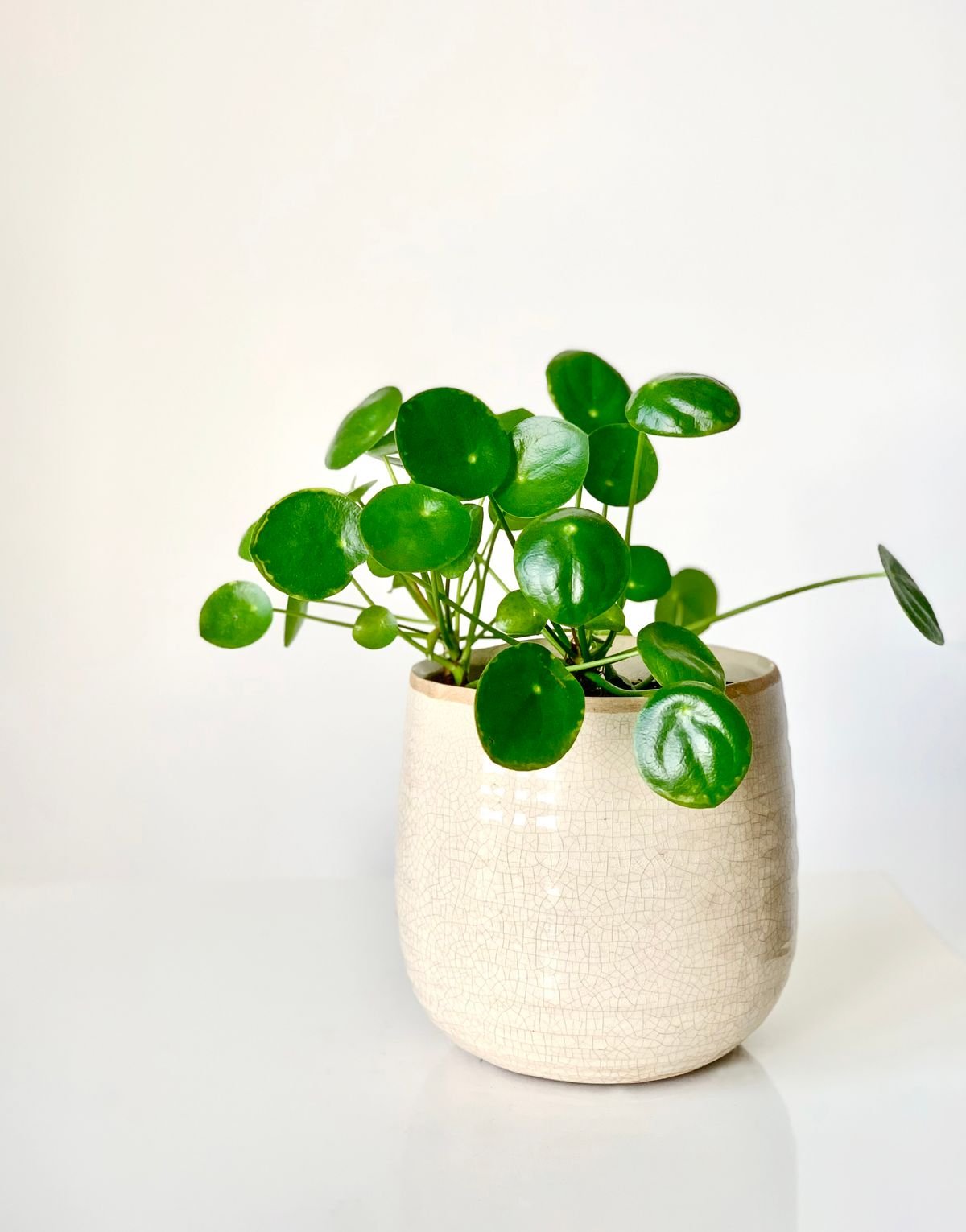
Peperomia vs Pilea: Best Care & Phyllotaxy Compared
Peperomia obtusifolia and Pilea peperomioides are often confused for their shared round, glossy leaves, but they belong to entirely different plant families with different leaf-attachment structure, different watering needs, and different propagation methods — the resemblance is convergent, not related.
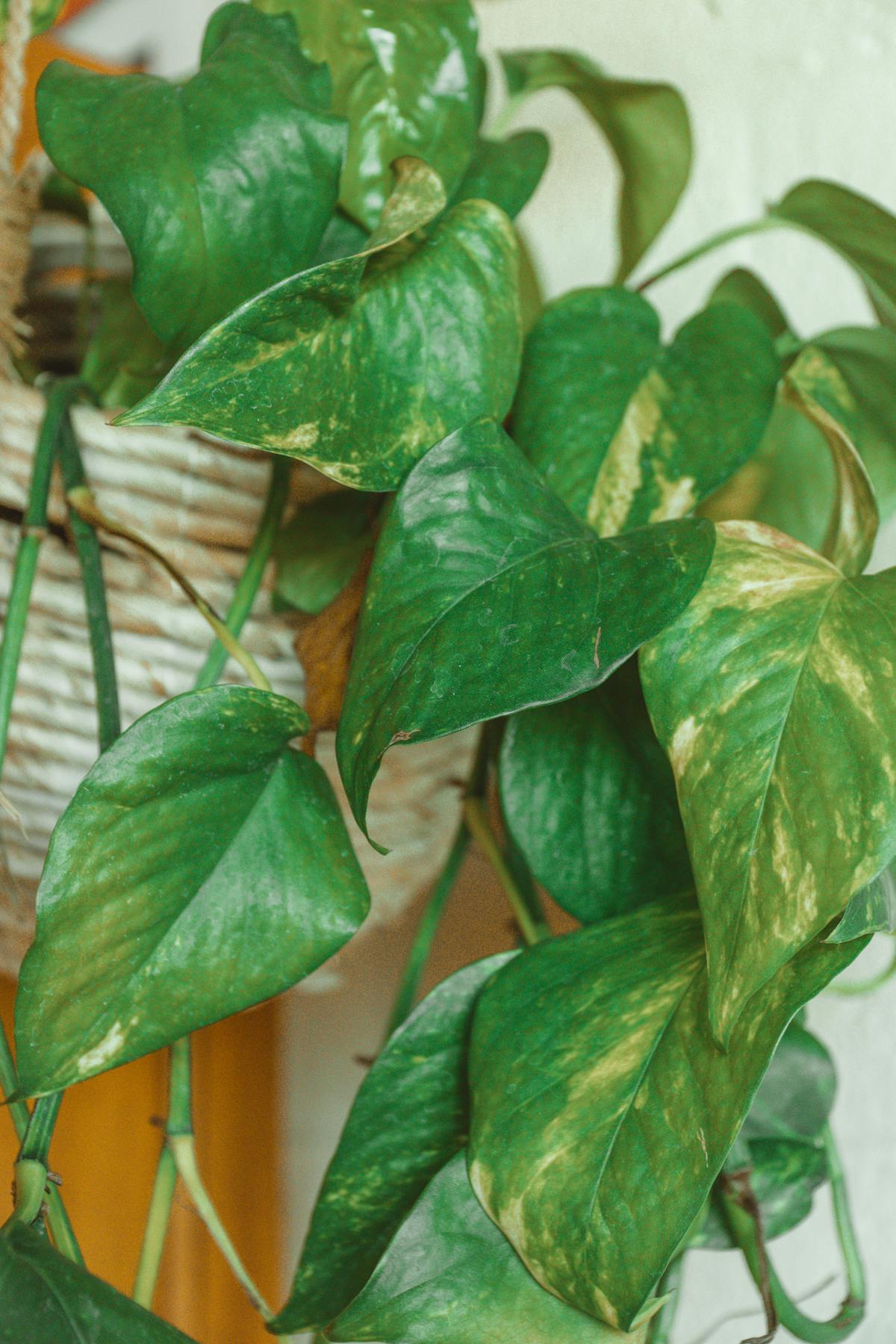
Peperomia vs Pothos: Toxicity & Care Compared
Peperomia obtusifolia and Pothos are routinely sold side-by-side as easy beginner plants, but they have inverted toxicity profiles: Pothos contains calcium-oxalate raphides that the ASPCA lists as toxic to cats and dogs, while Peperomia obtusifolia is ASPCA non-toxic — a distinction that matters more than any care similarity for a household with chewing pets.
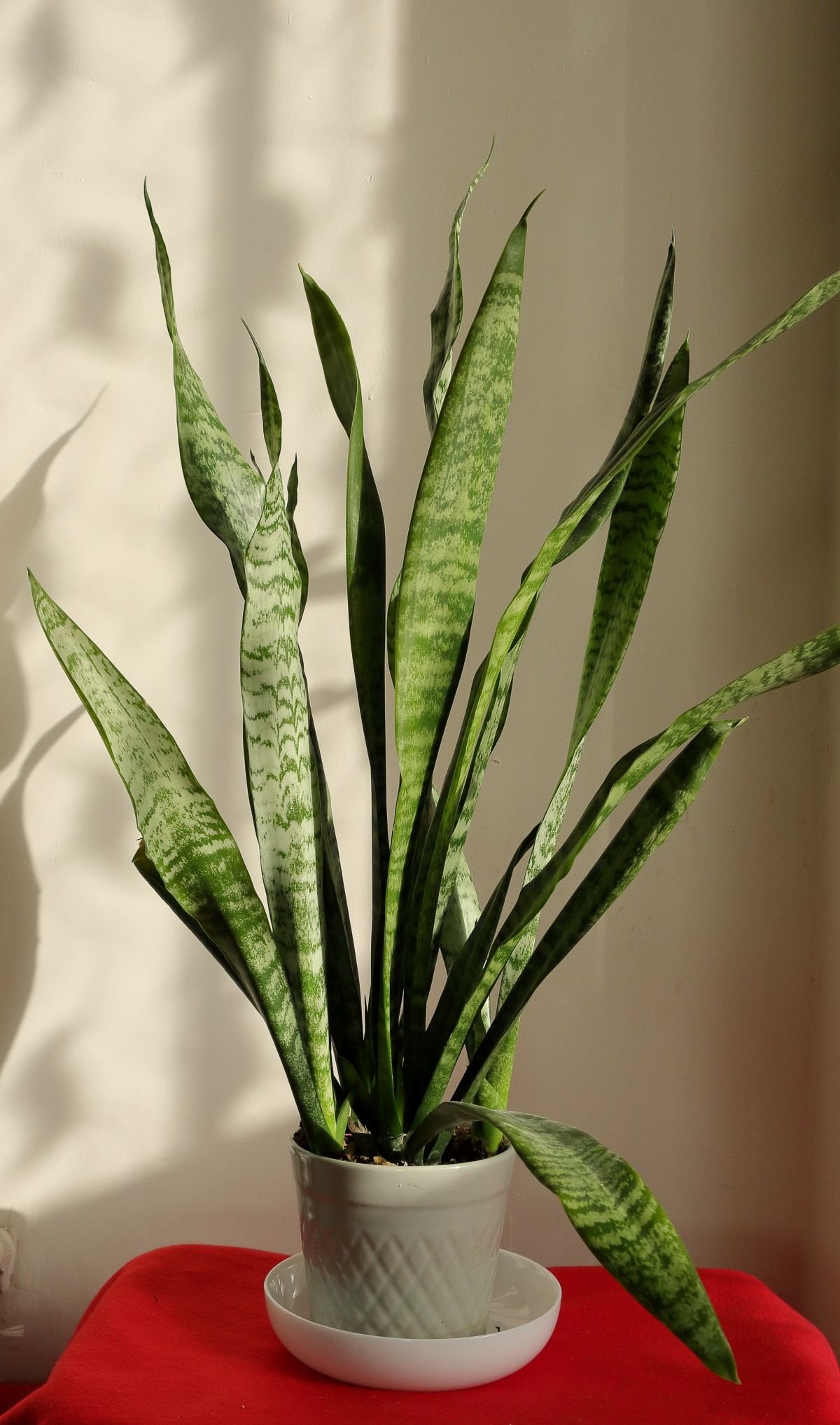
Peperomia vs Snake Plant: Best CAM Care Compared
Peperomia obtusifolia and snake plant are both marketed as indestructible, but one holds itself upright with fibrous structural tissue and the other with water pressure — and only one of them is safe around pets.
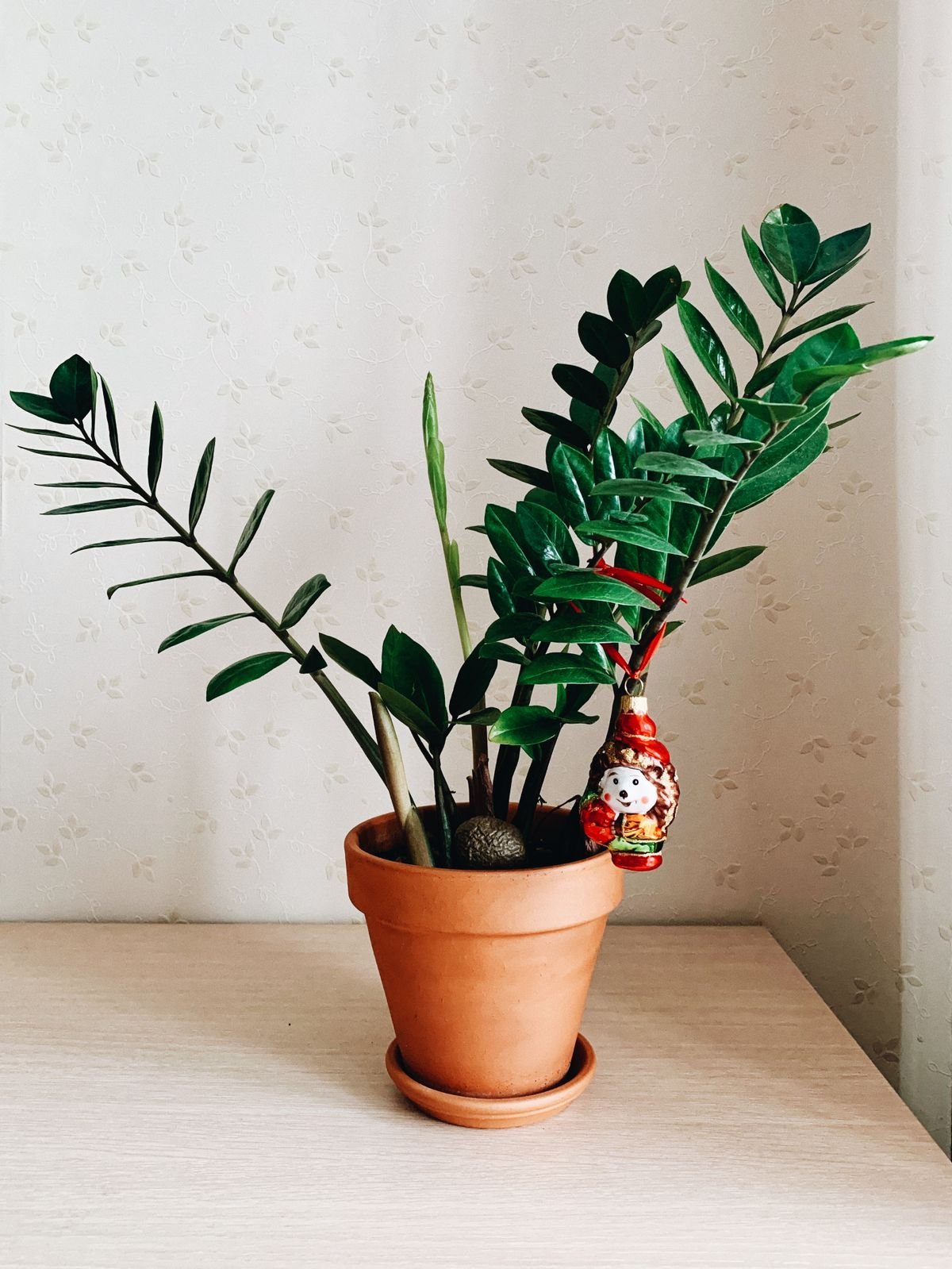
Peperomia vs ZZ Plant: Best Care & Water Storage
Peperomia obtusifolia and ZZ plant both look glossy and drought-tolerant, but they store water differently, tolerate different light ranges, and differ sharply in pet safety.
Peperomia Whiteflies: Identify & Stop the Damage
Whiteflies on Peperomia obtusifolia cluster on the underside of leaves and scatter as a small white cloud when the plant is disturbed — a distinctive enough behaviour that identification is usually straightforward, but eradication takes hitting both the mobile adults and the larvae hidden on the leaf underside.
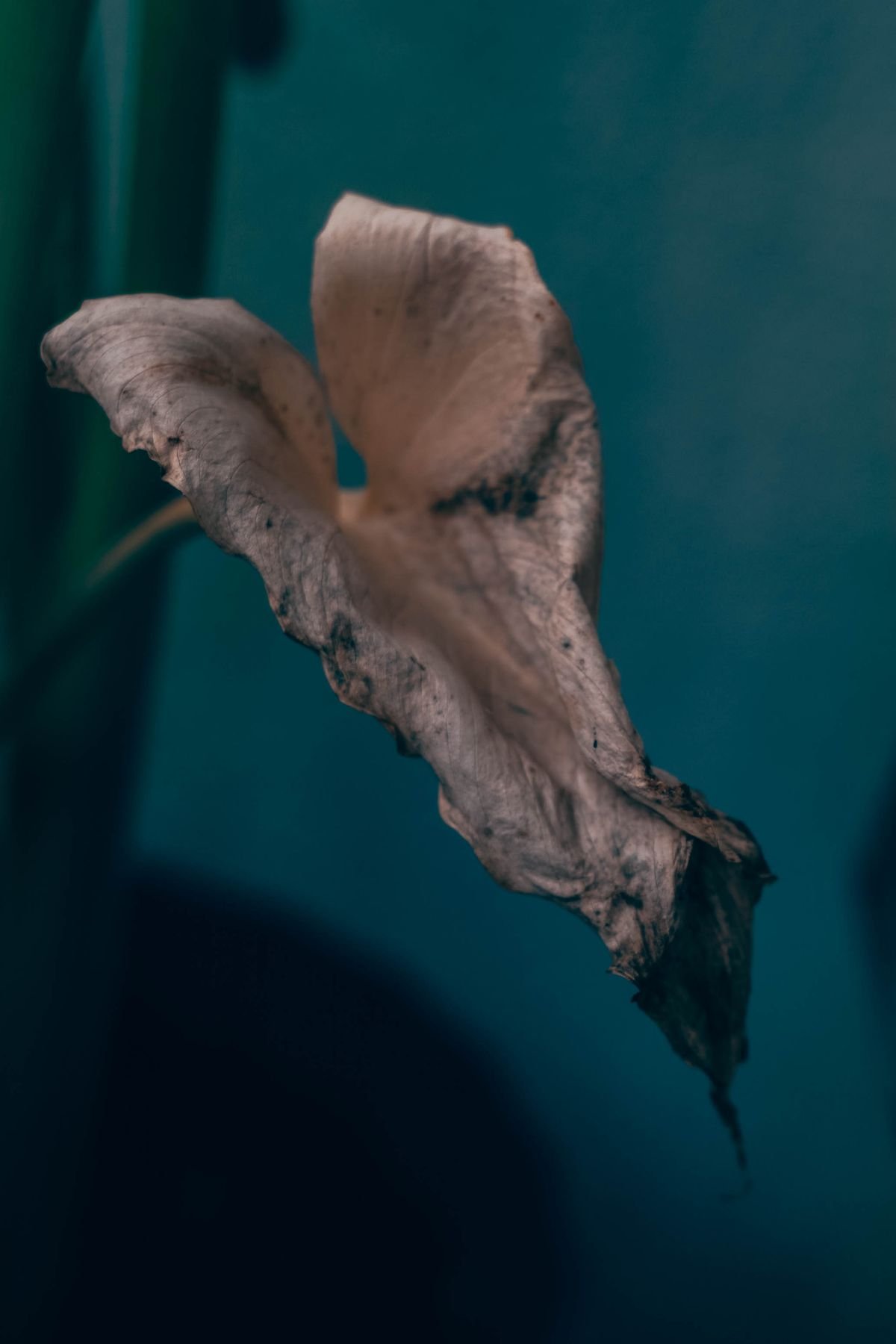
Peperomia Wilting: Plasmolysis & Turgor Pressure Science
A wilted Peperomia obtusifolia is losing turgor pressure — the internal water pressure that keeps this species upright in the absence of woody stem tissue — and the same droopy appearance results from two opposite causes, dehydration or root failure in waterlogged substrate, that require completely different responses.
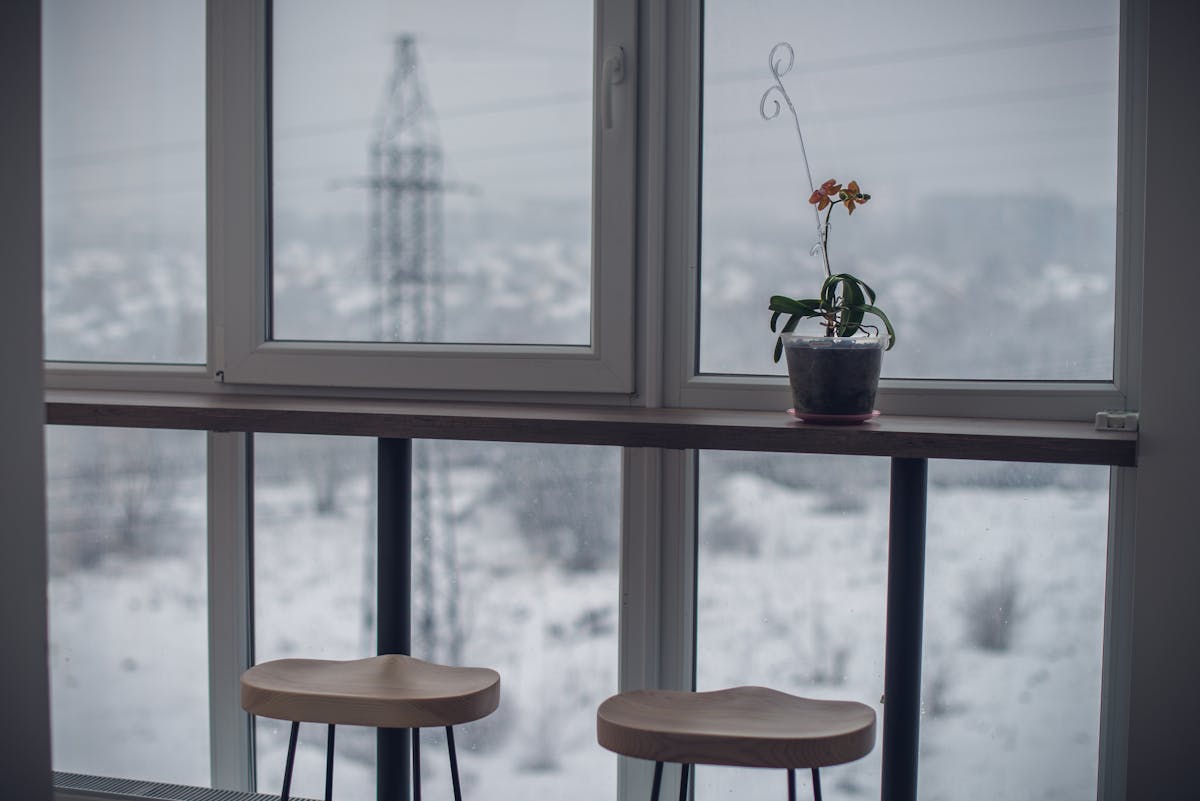
Peperomia Winter Care: Light, Water and Temperature
Peperomia obtusifolia handles a typical centrally heated winter without difficulty, provided it is kept back from cold window glass and watered on a slower, dryness-triggered interval rather than a fixed weekly schedule.
Peperomia Taxonomy: Piperaceae Family & Pepper Myths
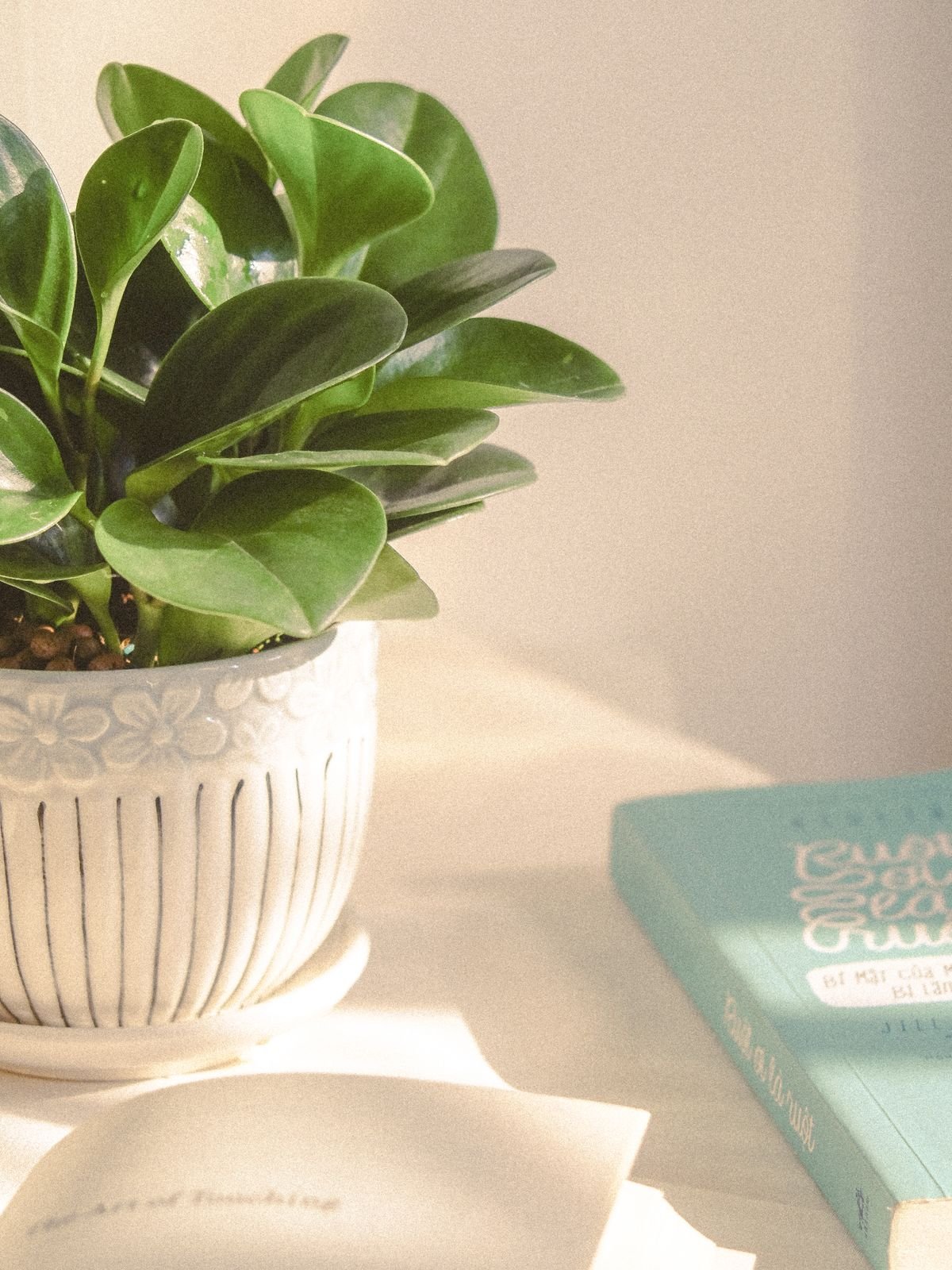
Peperomia obtusifolia belongs to the Piperaceae family — the same family as black pepper, Piper nigrum — a taxonomic fact that explains its flower structure but does not, on its own, predict its watering or light needs.
Peperomia Price Guide: What Drives Cost by Cultivar
This guide explains the genuine mechanisms that drive Peperomia obtusifolia pricing up or down by cultivar, rather than quoting fixed dollar figures — actual prices shift by region, season, seller, and pot size too often for a static number to stay accurate, so use the underlying rarity drivers to judge whether a specific listed price is reasonable.
Peperomia Soil Moisture: Best Chopstick Test Method
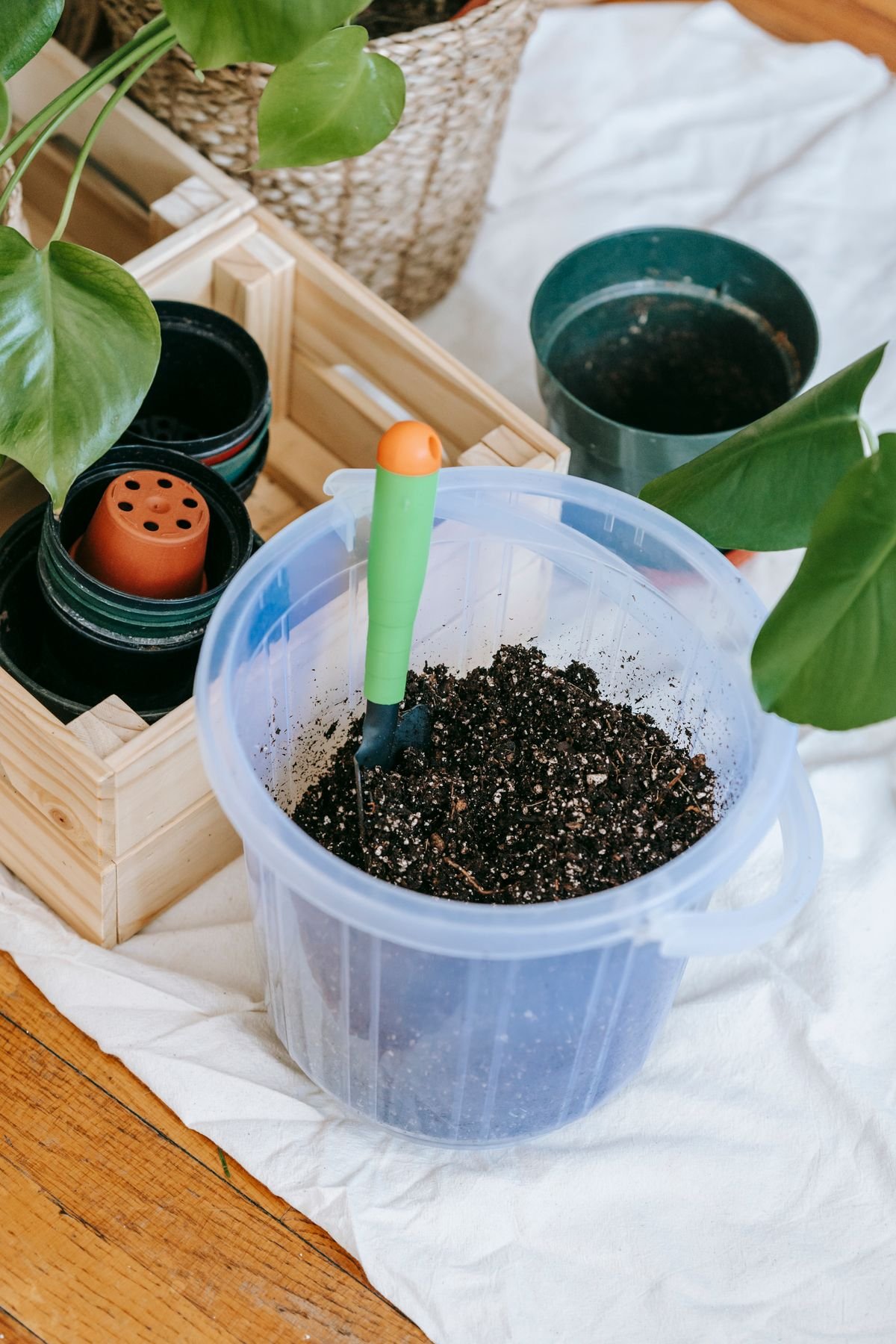
A wooden skewer or chopstick pushed to the bottom of the pot reads Peperomia obtusifolia substrate moisture where a surface finger-check cannot reach, catching the common case where the top few centimetres look and feel dry while the lower substrate — where this species actually draws most of its water — is still saturated.
Peperomia Soil Pests: Fungus Gnats vs Root Aphids Fix
Fungus gnats are a wet-substrate nuisance whose larvae rarely cause serious damage to Peperomia obtusifolia, while root aphids are true sap-feeding parasites that can cause real decline — telling them apart determines whether drying out the soil is enough or a systemic treatment is needed.
Peperomia Soil White Crust: Salt Damage & the Fix
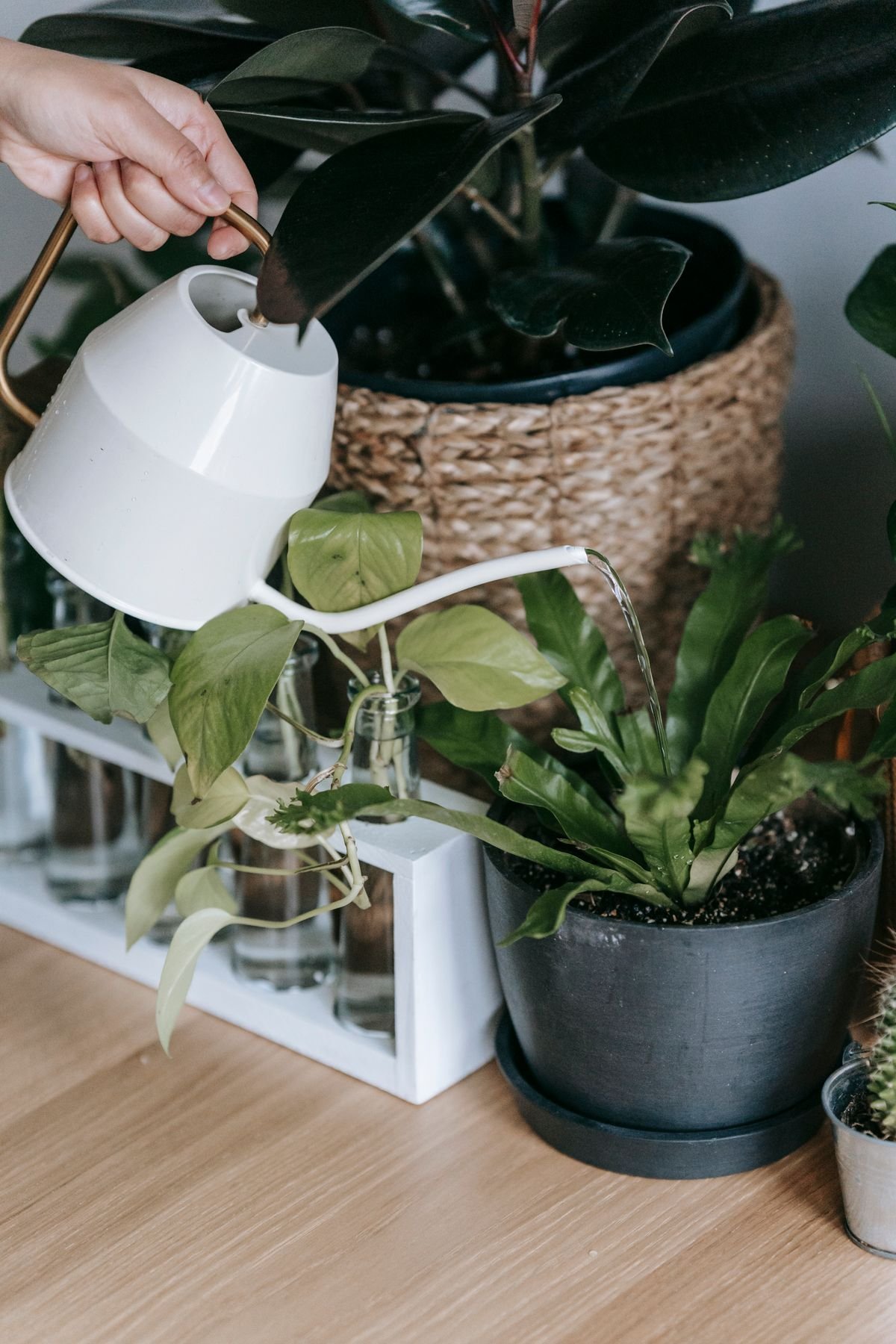
A hard, crystalline white crust on Peperomia obtusifolia soil is mineral salt from tap water and fertiliser residue, not mould, and it causes real osmotic stress that pulls water away from the roots rather than toward them — a top-flush with low-mineral water clears it.