Is Peperomia Toxic? Safety for Pets and People
Is peperomia obtusifolia toxic? No for the animals the ASPCA evaluates: P. obtusifolia (baby rubber plant / pepper face) is listed non-toxic to cats, dogs, and horses (ASPCA baby rubber plant; cats list; dogs list). Non-toxic is not edible, not residue-proof, and not a substitute for species-specific husbandry (RHS; NC State; Missouri Botanical Garden). This page gives the general answer and the reasoning behind it; it is not a substitute for veterinary or medical advice in an active exposure.
This page is the toxicity hub. Deep protocols: cats, dogs, birds & reptiles, edible?.
| Audience | Status | Where to go next |
|---|---|---|
| Cats | ASPCA non-toxic | Cat guide |
| Dogs | ASPCA non-toxic | Dog guide |
| Horses | Listed on some ASPCA synonym pages | Confirm listing; vet if unsure |
| Birds / reptiles | Favourable chemistry; quarantine residue | Birds & reptiles guide |
| Humans | Not a poison crop; not food | Edible guide |
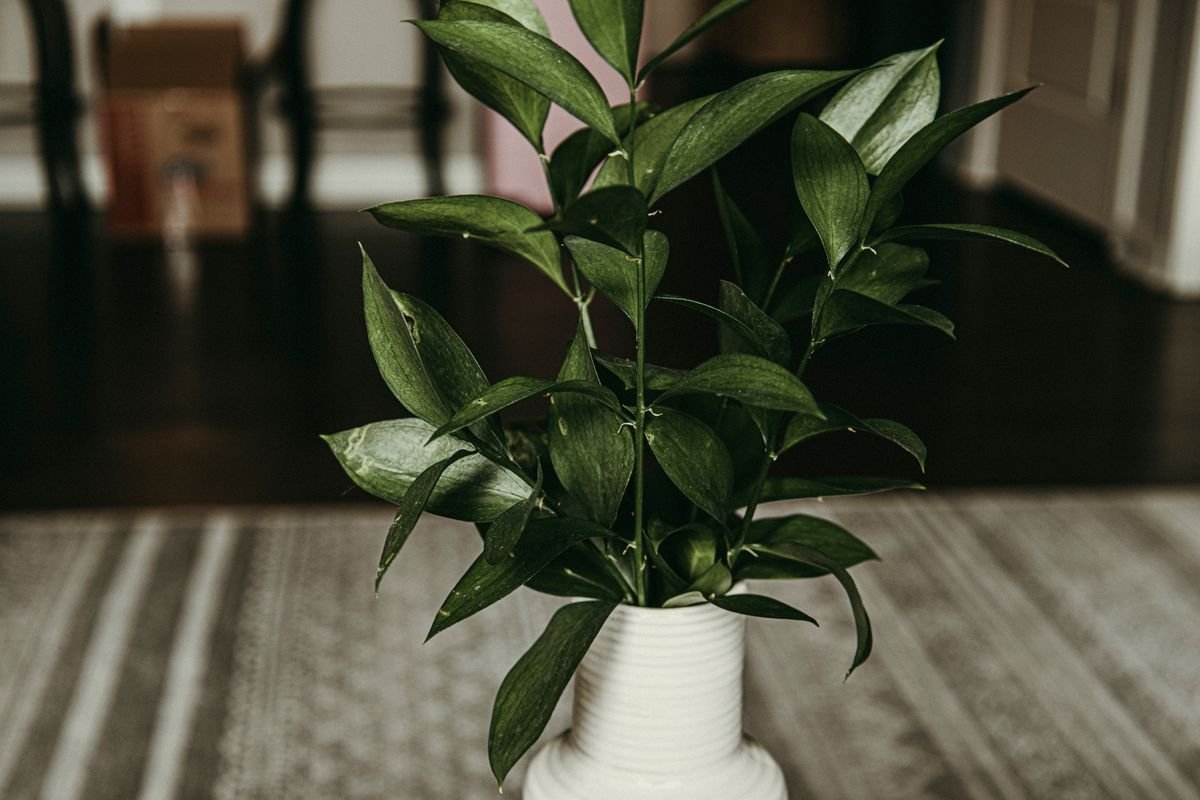
1. Is Peperomia Obtusifolia Toxic? The ASPCA Snapshot
ASPCA Animal Poison Control is the US reference for pet-plant toxicology.
- Listing: Non-toxic to cats and dogs (no toxic principles / clinical signs on the baby rubber plant entry).
- What that means: Accidental chewing is not expected to cause systemic poisoning from plant chemistry.
- What it does not mean: Unlimited forage, food-grade clearance, or safety of nursery pesticides.
- Fibre caveat: Any bulky plant meal can trigger mild GI upset in pets (and people). That is mechanical, not “peperomia poison.”
- Triage: Veterinarian, ASPCA APCC (888) 426-4435, or Pet Poison Helpline — bring a photo for ID.
Opinion: The hub question is easy; the household failures are wrong ID and dirty pots. Chemistry is the simple part.
Common Peperomia houseplants (watermelon, ripple, red-edge) are generally treated the same way — still match the Latin name to ASPCA rather than a vague retail label.
What exposure actually looks like. Most real cases are a pet chewing a leaf edge or knocking a stem down rather than eating a whole plant. Because P. obtusifolia carries no established toxic principle for cats or dogs, the realistic outcome of typical chewing is mechanical, not chemical: mild, self-limiting vomiting or soft stool from fibrous plant matter, occasionally a bit of drooling from the texture or taste, and rarely anything beyond that from the leaf itself. This is a different profile from a genuinely toxic plant, where the concern is a specific compound (an oxalate, a cardiac glycoside, a lily-specific nephrotoxin) rather than the bulk of what was eaten.
What to do after exposure. Remove the pet from further access to the plant and confirm which plant was actually involved — a photo of the label or the plant itself is useful if you need to describe it to a vet, since "peperomia" is used loosely by retailers and the more important lookalikes below are genuinely toxic. Watch for vomiting, diarrhoea, lethargy, or reduced appetite over the following 24 hours. Call your veterinarian, the ASPCA Animal Poison Control Center ((888) 426-4435), or the Pet Poison Helpline if symptoms appear, persist, or if there is any uncertainty about which plant was actually eaten — a non-toxic listing for the correct species is not a reason to skip professional advice when the identification itself is in doubt.

2. Humans, Toddlers, and Why Non-Toxic Is Not Edible
P. obtusifolia is an ornamental. It is not sold or regulated as food. Thick leaves are a choking hazard for small children even when the plant is not a classic poison. Large fibrous mouthfuls can upset the gut — same logic as pets, different audience detail in the edible article.
Do not confuse culinary Peperomia pellucida with baby rubber plant. Species wrong → safety story wrong.
3. Lookalikes That Are Toxic: Ficus, Pothos, and Name Traps
| Plant | Relationship | Pet status (typical ASPCA) |
|---|---|---|
| P. obtusifolia | Piperaceae ornamental | Non-toxic |
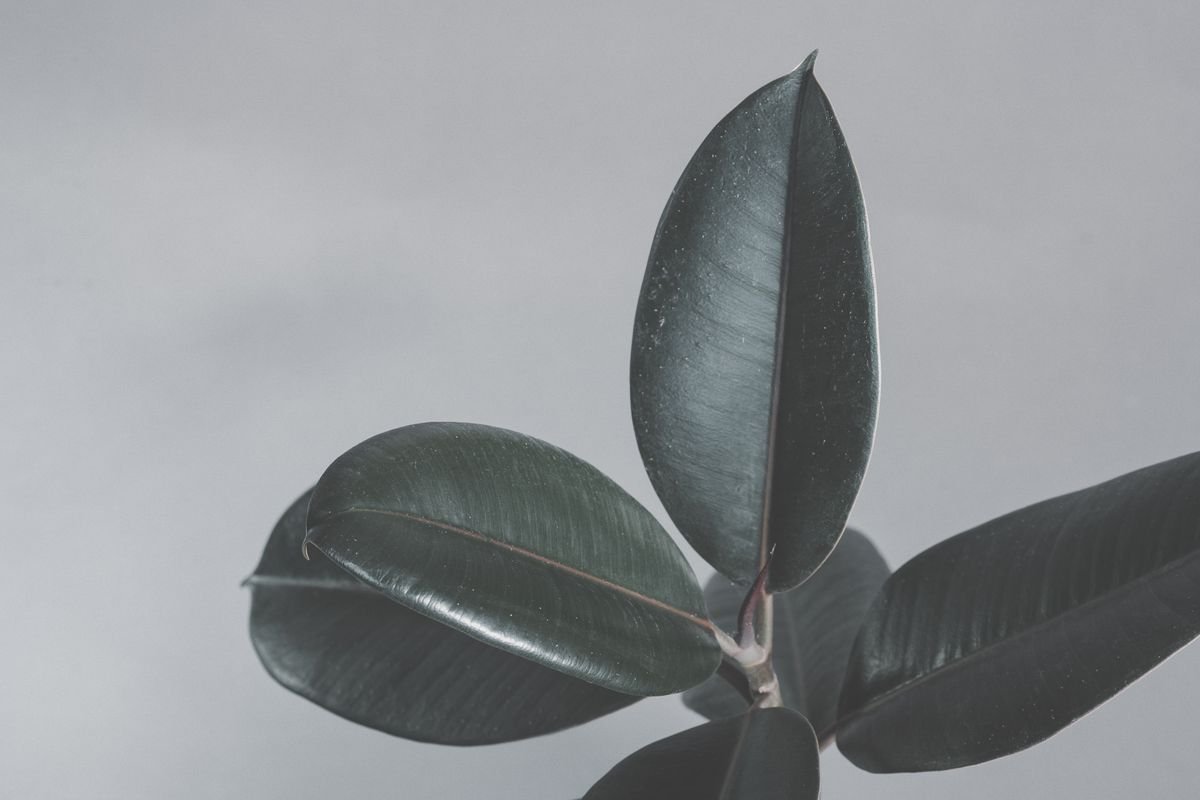
| Ficus elastica (true rubber) | Unrelated Moraceae | Toxic latex |
| Golden pothos (E. aureum) | Care lookalike vine | Toxic (oxalate) |
“Baby rubber plant” is convergent marketing, not taxonomy. Full ID: baby rubber vs true rubber. Care comparison (not toxicity depth): vs pothos.
The confusion is understandable rather than careless: P. obtusifolia's glossy, thick, rounded leaves genuinely resemble a miniature Ficus elastica at a casual glance, which is exactly why the "baby rubber plant" name took hold in the first place — the two plants are not related at any close taxonomic level, sitting in entirely different families (Piperaceae versus Moraceae), but the resemblance is real enough that a retail tag or a quick online search can point a pet owner to the wrong species' safety profile. Golden pothos causes a different kind of confusion: it is not visually similar to P. obtusifolia, but the two are commonly recommended together as "easy beginner plants" in the same articles and displays, which puts a genuinely toxic vine (insoluble calcium oxalate crystals, causing oral irritation and swelling on contact) in the same mental category as a non-toxic one. Confirming the actual species — ideally by the Latin binomial on a plant tag or a photo-based identification, not a common name alone — is the single highest-value step in this entire safety question, more consequential than any of the nursery-residue precautions below.
4. Is Peperomia Obtusifolia Toxic After the Nursery? Three Critical Checks
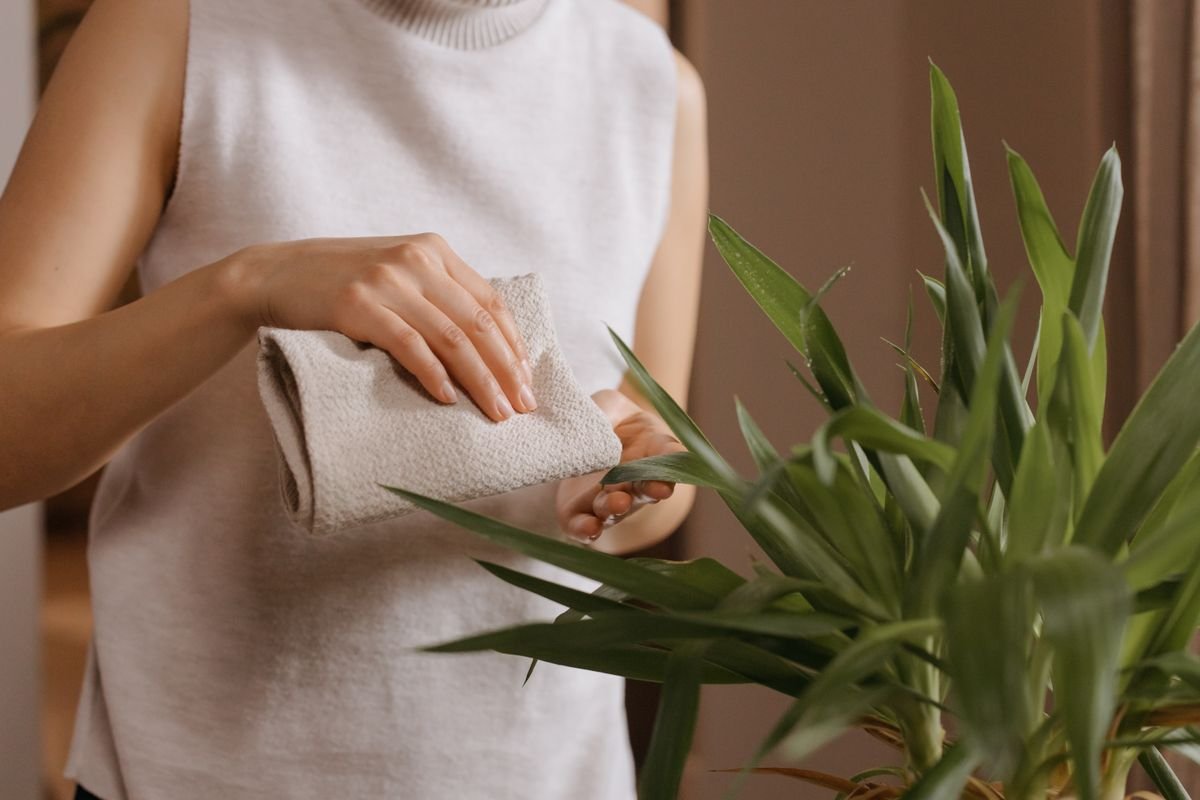
Check 1 — Residue. Systemic insecticides and leaf shine can harm pets when the leaf itself would not. Wash foliage; consider a fresh mix (mealybug products; big-box buying).
Check 2 — Species guides. Cats, dogs, and birds/reptiles need different deterrents and enclosure rules — use the linked guides rather than this hub alone.
Check 3 — Escalate on ID uncertainty. Persistent vomiting, unknown plant, or possible lily/sago exposure → poison control, not a blog list.
5. Safer Placement and Prevention
A non-toxic listing does not mean a pet should have unrestricted access to any houseplant, and a few low-effort habits prevent most real incidents. Hanging planters or high shelving keep foliage away from cats that climb and dogs that graze at floor level; a physical barrier such as a decorative cage or a repositioned display works for households where elevation is not practical. Rotating plants away from a specific pet's known chewing spot is more reliable than hoping a generally uninterested animal stays that way indefinitely, particularly with young or newly adopted pets still exploring a home. None of this is about toxicity risk specifically — it is the same reasoning that applies to keeping any object a pet might chew, swallow, or scratch out of easy reach, and it remains worth doing even for a species with a favourable safety listing.
Rabbits are a distinct case worth flagging separately. Lagomorph digestive physiology differs meaningfully from cats and dogs, and a general non-toxic mammal listing does not automatically extend to a rabbit's specific gut sensitivity — see the rabbit-specific safety guide rather than assuming the cat and dog answer applies.
Conclusion
Is peperomia obtusifolia toxic? No on ASPCA listings for cats and dogs — and that is the core answer this hub exists to give. Keep humans on the “not edible” rule, refuse Ficus/pothos mix-ups, wash nursery residue, then open the species guide that matches the animal in your house.
Care FAQ
Is peperomia obtusifolia toxic to cats and dogs?
No. The ASPCA lists Peperomia obtusifolia (baby rubber plant) as non-toxic to cats and dogs. Large amounts of leaf fibre can still cause mild, self-limiting vomiting or diarrhoea. Use the cat- and dog-specific guides for symptoms and deterrents.
Is the baby rubber plant toxic to humans?
It is not classified as a poisonous houseplant, but it is not edible. Ornamental leaves are not food; large mouthfuls of fibre can upset the gut. Toddlers still face choking risk from thick leaves.
Is baby rubber plant the same as the toxic rubber tree?
No. Baby rubber plant is Peperomia obtusifolia (Piperaceae, ASPCA non-toxic). True rubber tree is Ficus elastica (Moraceae, toxic latex). Misidentification has welfare consequences.
Are birds and reptiles covered by the ASPCA listing?
ASPCA non-toxic status covers cats, dogs, and (on some synonym pages) horses. Bird and reptile guidance uses other veterinary lists and quarantine rules — see the birds and reptiles guide.
Can a non-toxic plant still harm pets?
Yes. Systemic insecticides, leaf shine, and fertiliser prills from nurseries can be toxic even when the plant chemistry is not. Wash, repot, and quarantine before free access.